
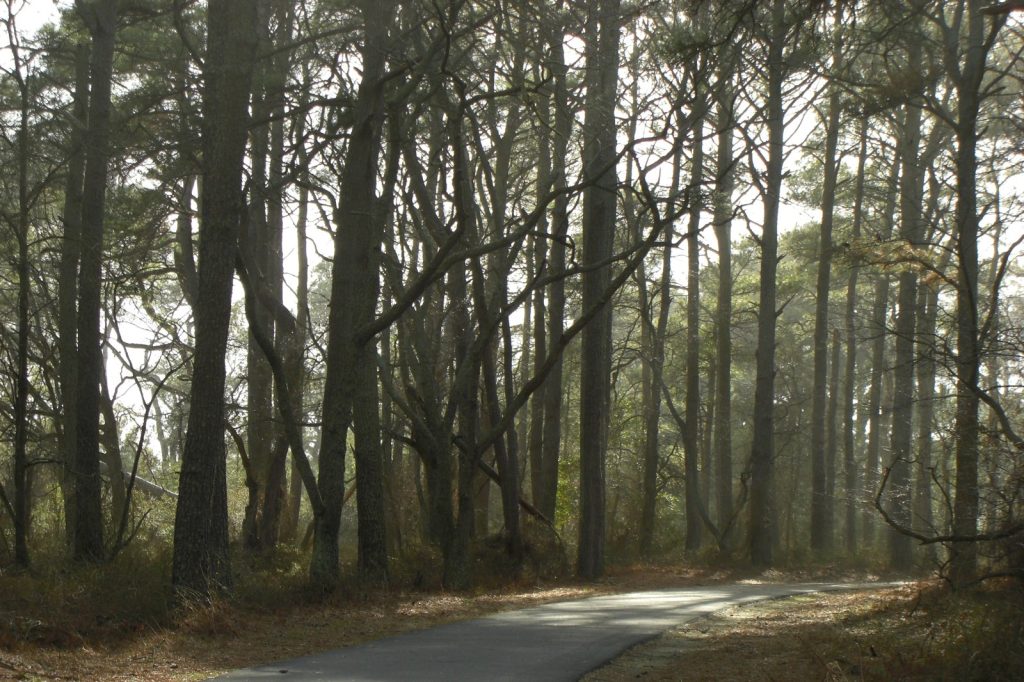
A large-scale analysis of Medicare enrollees has found that living near a national park or other protected public land is associated with a lower risk of premature death from cardiovascular disease, respiratory illness, and cancer. The study tracked millions of older adults enrolled in Medicare, cross-referencing their health outcomes against their proximity to national parks, national forests, and similar federally managed areas.
The association remained statistically significant after researchers controlled for income, race, education, and baseline health status. The research team described the link as “significant and robust.”
How Protected Lands Deliver a Health Dividend
The mechanisms driving the health benefit, the study suggests, are rooted in how natural landscapes interact with human physiology. National parks act as natural pollution scrubbers: trees and vegetation filter fine particulate matter from the air — the tiny particles that can penetrate deep into lung tissue and enter the bloodstream. Beyond air quality, the spaces provide what researchers call “restorative environments” — quiet, green areas that lower cortisol levels, reduce blood pressure, and improve mental focus.
The dose matters: the study found that an increase in tree canopy cover within a county correlated with a measurable drop in inflammatory biomarkers among residents. The researchers were careful to note that correlation does not prove causation.
People who live near parks may differ from the general population in ways not fully captured by the data — they may be wealthier, more active, or simply luckier in their geography. But the size of the dataset, drawn from millions of Medicare beneficiaries, and the consistency of the signal across multiple disease categories suggest a genuine effect. The researchers controlled for individual smoking rates, obesity, and access to healthcare, and the health benefit of nearby protected land remained.
Public Health Infrastructure Beyond the Visitor Center
The National Park Service currently manages millions of acres across hundreds of sites. That land, the study underscores, is not merely recreational.
It is filtering the air for millions of people who never visit the parks. The finding carries particular weight as the United States approaches its 250th anniversary, a milestone that has prompted reflection on the nation’s vast wilderness areas. Those areas, often taken for granted as a scenic backdrop, are increasingly understood as a piece of public health infrastructure.
The study’s authors note that if clean air has a dollar value — and their research suggests it does — then every acre of protected forest becomes a line item in the nation’s health budget, regardless of whether the visitor center is open for business. The research raises a practical question for land managers: will the National Park Service and the U.S. Forest Service factor this kind of data into their decisions on how to manage public lands?
The Trump administration has prioritized energy development on public lands, and the Interior Department is currently reviewing the boundaries for several national monuments. The study’s findings add a health-centered dimension to that debate.
Historical Context and the Role of Protected Lands
National parks are government-owned areas protected for their natural, historic, or cultural importance. They generally remain open to the public, and governments maintain them to preserve wild nature for future generations and as symbols of national pride. The United States created Yellowstone National Park in 1872, widely viewed as the first national park in the world. Other nations had protected land earlier, but those designations were primarily aimed at preventing farming in specific regions.
Canada later established the world’s oldest national park service in 1911. International bodies now categorize these protected areas based on how well they shield ecosystems from human exploitation.
Preserving these lands affects more than just tourism. They protect diverse habitats and scientific sites, and because they limit human occupation, they maintain air and water quality. The new study offers a concrete measure of that broad public health benefit for people living nearby.
{“@context”: “https://schema.org”, “@type”: “NewsArticle”, “headline”: “WILDLIFE HABITATS NEAR PARKS LINKED TO LONGER LIVES”, “description”: “WASHINGTON, June 30 — A large-scale analysis of Medicare enrollees has found that living near a national park or other protected public land is associated…”, “datePublished”: “2026-06-30T09:30:00+00:00”, “author”: {“@type”: “Person”, “name”: “Dmitry Volkov”}, “publisher”: {“@type”: “Organization”, “name”: “InfoPulse Today”, “url”: “https://newsfeed.infopulsetoday.com/”}}




