
At least 450 people have died in Congo since the start of the year, and the World Health Organization has now called the mpox outbreak a public health emergency of international concern.
The agency made the declaration for the outbreak in parts of Africa. Mpox, formerly known as monkeypox, is highly contagious. More than 13,700 cases have been recorded in the Democratic Republic of Congo this year, and the disease has since turned up in Burundi, the Central African Republic, Kenya and Rwanda.
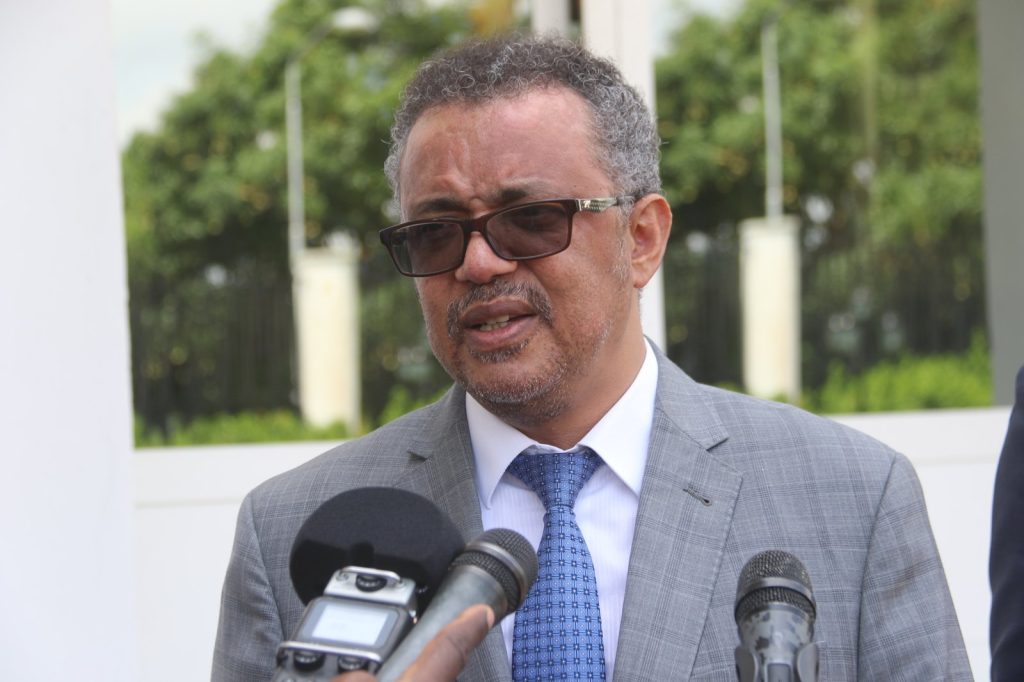
WHO chief Tedros Adhanom Ghebreyesus said the potential for further spread within Africa and beyond “is very worrying”. He added: “A co-ordinated international response is essential to stop this outbreak and save lives.”
A deadlier strain
The alarm is about the virus itself. Mpox comes in two main types, Clade 1 and Clade 2. The emergency declared in 2022 involved the relatively mild Clade 2. This time Clade 1 is surging, a type that has killed up to 10% of those infected in earlier outbreaks.
The virus changed around September of the previous year. Mutations produced an offshoot called Clade 1b, which has spread quickly. One scientist has called it “the most dangerous yet”. Scientists are also worried about how fast it is moving and how often it kills.
The 2022 emergency gives a measure of scale. That outbreak spread rapidly, and the WHO counted more than 87,000 cases and 140 deaths. It was concentrated largely among men who had sex with men, and vaccinating vulnerable groups brought it under control.
Reaction
Experts called the declaration well timed but left plenty unanswered. Dr Josie Golding of the Wellcome Trust called it a “strong signal”. Dr Boghuma Titanji of Emory University said it conveyed how grave the crisis is. Prof Trudie Lang, director of the Global Health Network at the University of Oxford, thought it “important and timely”, yet noted that a new strain meant there were “many unknowns that need to be addressed”.
Jean Kaseya, head of the organisation, warned that the outbreak could spiral out of control without immediate steps. “We must be proactive and aggressive in our efforts to contain and eliminate this threat,” he said.
What it should unlock
The hope is that the declaration speeds up research, funding and other international public health measures.
The disease spreads through close contact, including sex, skin-to-skin contact, and talking or breathing near an infected person. It brings flu-like symptoms and skin lesions and can be fatal: four in 100 cases end in death. Vaccines can help control outbreaks, though they are generally reserved for people at risk or those who have been in close contact with someone infected.




