
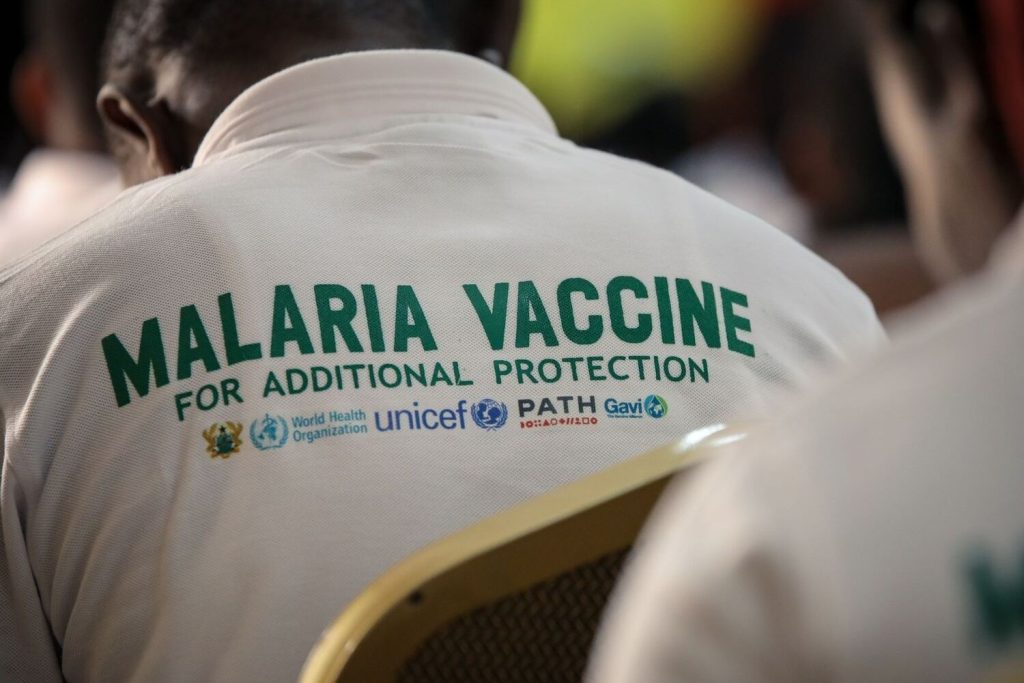
Efforts to combat malaria, a mosquito-borne illness that sickened an estimated 249 million people across 85 countries and led to 608,000 deaths in 2022, have reached a new phase with the introduction of a second World Health Organization-endorsed vaccine. As of April 2023, the RTS,S vaccine, marketed as Mosquirix, has been administered to 1.5 million children in regions with moderate-to-high malaria transmission.
This vaccine, which requires at least three doses by age two and a fourth dose to extend protection for an additional one to two years, has been linked to a roughly 30% reduction in hospital admissions for severe malaria. While the RTS,S vaccine marks a significant step, researchers have continued to pursue more effective solutions. The R21/Matrix-M vaccine has emerged as a promising candidate, demonstrating a 77% efficacy rate in initial trials and producing substantially higher antibody levels than RTS,S.
Notably, R21/Matrix-M is the first malaria vaccine to meet the WHO’s target of at least 75% efficacy, and it is only the second malaria vaccine to receive WHO recommendation. This endorsement highlights its potential to contribute meaningfully to global malaria control efforts.
In a key development, Ghana’s Food and Drugs Authority approved the use of the R21 vaccine for children aged five months to three years as of April 2023. Ghana thus became the first country to approve the R21 vaccine, positioning it to play a central role in evaluating and implementing the vaccine. Other nations, especially those with high malaria transmission rates, are expected to closely observe Ghana’s experience as they consider incorporating the R21 vaccine into their own immunization programs.
Despite these advances, malaria remains a complex disease to control. Continued development and refinement of vaccines, along with other preventive measures such as mosquito control programs and distribution of insecticide-treated bed nets, remain essential.
As research progresses, new and potentially more effective vaccines may emerge, offering hope to millions affected by the disease. Looking ahead, the rollout of the R21/Matrix-M vaccine will be closely monitored. Key priorities include tracking its effectiveness across different populations and settings, as well as scaling up production and distribution to ensure it reaches those most in need. The global community’s efforts to reduce malaria’s burden will rely heavily on the successful deployment of vaccines like R21/Matrix-M, alongside sustained investment in other prevention strategies.
Staying informed about ongoing developments will be crucial as the fight against malaria continues to evolve.




