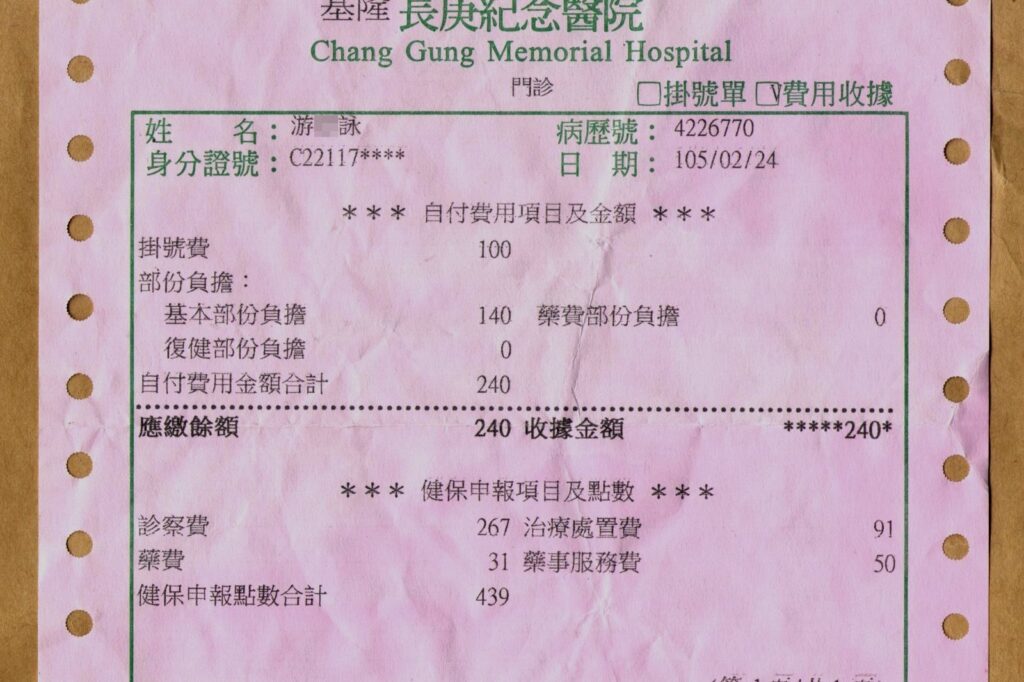
By the numbers: 41 percent of US adults reported health care debt in 2022, according to KFF. The figure that matters most for readers who think insurance protects them is this one: about 60 percent of people found to have medical debt were insured.
How Widespread Is It
KFF’s latest polling puts the share of adults who had trouble paying medical bills, or could not pay them, in the past 12 months at 22 percent. Some 14 percent cut back on basics such as food and clothing to cover health costs. Just under half, 44 percent, call care difficult to afford. Among uninsured adults under 65 that rises to 82 percent, compared with 42 percent of the insured.
A national survey commissioned by Undue Medical Debt in 2023 estimated that 100 million people in the country carry medical debt. Nearly half of its 2,663 respondents said they feel trapped by it.
The gaps are sharp. The Centers for Disease Control and Prevention, using 2023 National Health Interview Survey data, reported that 21.2 percent of adults with disabilities lived in families with problems paying medical bills, against 9.6 percent of adults without disabilities. The difference showed up in every age group.
Skipped Care and Rationed Pills
Cost changes behaviour. About 28 percent of adults say they skipped or postponed needed care in the past 12 months because of the price. The rate reaches 62 percent for uninsured adults under 65, 40 percent for adults under 30, 34 percent for Hispanic adults, 32 percent for lower-income adults and 31 percent for women. Waiting has a price of its own: 15 percent of adults say their health worsened after skipping or delaying care, and 27 percent of those with multiple health conditions say so.
Prescriptions follow the same pattern. Some 43 percent of adults have not taken a medication as prescribed in the past year because of cost, up from a third in 2025 and about three in ten in July 2023. Thirty-one percent took an over-the-counter drug instead of filling a prescription, 27 percent did not fill one, and 19 percent cut pills in half or skipped doses.
Michigan Wipes Out Another Round
On Oct. 14 Gov. Gretchen Whitmer announced a third round of relief with Undue Medical Debt, a national nonprofit. Over 9,700 Michiganders are due letters saying $21 million in medical debt has been erased from their records. Recipients have now received more than $221 million in relief, according to the governor’s office.
Undue buys unpaid bills in bulk from hospitals, physician groups and collection agencies for a fraction of face value. A person qualifies by earning at or below 400 percent of the federal poverty level, or by owing medical debt equal to 5 percent or more of annual income. Payments are one-time and cannot be requested, and depend on local providers agreeing to take part. The state’s $4.5 million appropriation in the 2024 budget, combined with local matching funds, is expected to erase $450 million for more than 180,000 residents once all money is distributed.
Whitmer has also proposed capping interest rates, keeping medical debt off credit reports, requiring hospitals to set up financial assistance programs, and banning liens or home foreclosures over such debt. A bipartisan package passed the state Senate on March 11. It has been stalled in the Republican-led House since the summer.
Checking the Bill
Patients have some room to push back. Dr. Marty Makary of Johns Hopkins says negotiation is possible before, during and after care. Errors are common, so Dr. Carolyn McClanahan, a financial planner, advises patients to confirm they received every service they were billed for. America’s Debt Help Organization suggests checking with the insurer for double billing, fraudulent charges and coding mistakes before any negotiation starts.
Sources
- Medical debt
- Americans’ Challenges with Health Care Costs | KFF
- Michigan forgives $21 million in medical debt for more than 9,700 residents
Photo: Solomon203 (CC BY-SA 4.0)