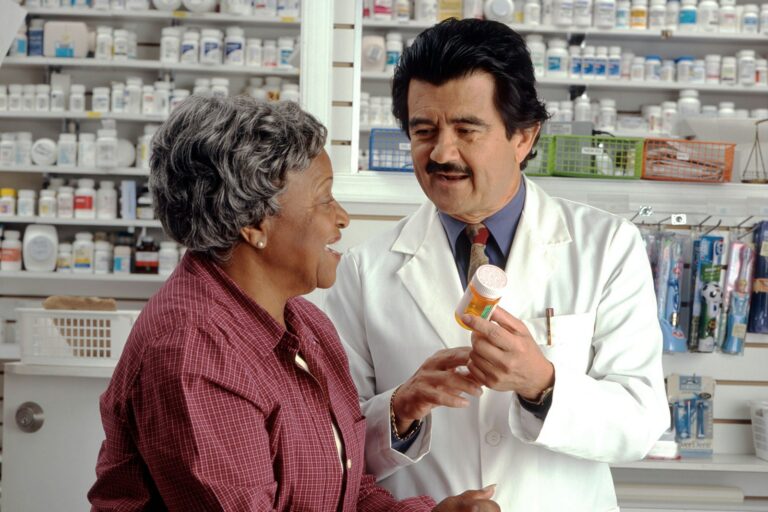

Median out-of-pocket spending for GLP-1 users has topped $1,500 a year, and half of them worry that cost will force a choice between the medication and a secure retirement. The figure comes from Nationwide Retirement Institute’s 2026 Healthcare Costs Survey of 1,933 adults conducted last summer, paired with a Virginia Commonwealth University study on drug spending.
The Bottom Line
GLP-1 drugs are creating a new retirement math. Users are healthier and plan to work longer, but the annual price tag is already rewriting household budgets. By the numbers, the tradeoffs are immediate and measurable.
What the Survey Shows
Nearly a quarter of current users, 24%, say keeping access to the medication is more important than increasing their retirement savings. More than half, 54%, have already altered their financial behavior because of the cost. About 17% took on debt such as credit cards or loans. Fourteen percent withdrew money from savings, investments or retirement accounts, and another 14% reduced their retirement contributions or investments. Ten percent delayed or avoided other medical care.
Nearly one in five users spends more than 10% of annual household income on the drugs. The burden falls hardest on the uninsured and lower-income households, the Virginia Commonwealth University study found.
The Health Optimism Paradox
Eighty-eight percent of users say the medication makes them more optimistic about their long-term health. Sixty-four percent say they may retire later because they feel healthier. That optimism carries a financial catch: 59% say the expected health benefits make them feel less pressure to increase retirement savings, and 57% say they are less concerned about needing long-term care insurance.
“Living longer and healthier is good, but it also means you need more money,” said Kristi Rodriguez, leader of Nationwide Retirement Institute. “A good percentage may work beyond retirement age but the flip side is longevity. Living longer also means your money may need to last longer.”
Longevity Risk Meets Medication Cost Risk
The figure that matters is the collision of two trends. GLP-1 therapy is often lifelong. At the same time, Vanguard data shows the median 401(k) balance for savers 65 and older was $95,425 at the end of 2024.
Medicare Part B premiums alone run $2,435 a year per person in 2026. Adding a $1,500 annual drug bill to a modest withdrawal stream shrinks the margin for error. Sequence-of-returns risk, inflation that outpaces Social Security COLAs, and the taxation of Social Security benefits once provisional income crosses $25,000 for single filers all compound the squeeze.
Policy and Market Outlook
Patrick Simasko, elder law attorney and financial adviser at Simasko Law, frames the trap plainly: “People think GLP-1 is important, and they’re spending money now. Then, they don’t have a retirement account and have to rely on some other means for retirement, like Social Security or their parents’ money.”
No legislative fix is on the calendar. The Inflation Reduction Act’s drug price negotiation provisions do not yet cover the leading GLP-1 brands. Until coverage expands or prices fall, the $1,500-a-year median cost remains a recurring line item that competes directly with the retirement contributions it was meant to protect.
Sources
- Anthony Tata
- The hidden $1,500-a-year threat to your retirement
- Vanguard Says This Is the Median 401(k) at 65. Here's Why Having Double It Still Isn't Safe
- Retirement Money Mistakes That Don't Show Up Until Later
Photo: Vitaly Gariev / Unsplash (Unsplash License)