
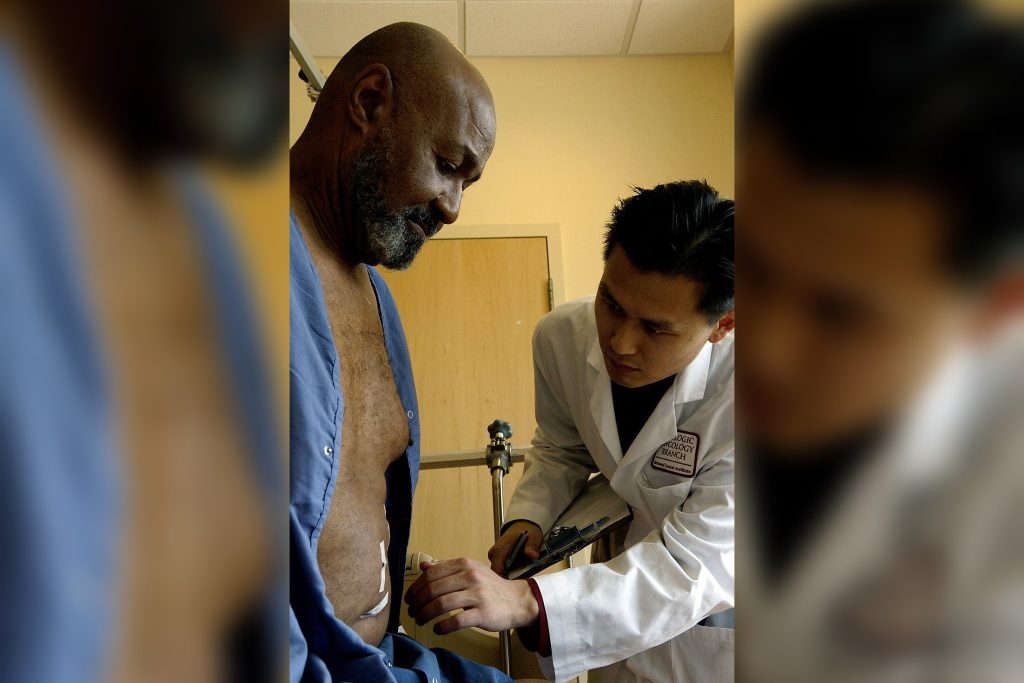
For the tens of thousands of Americans living with advanced liver cancer, treatment is rarely a one-time ordeal. Transarterial chemoembolization, or TACE, is often repeated over months and years. Each session delivers chemotherapy directly into the tumor and starves it of blood.
It works. It also pounds the body.
Pain spikes. Anxiety soars. Recovery drags.
A new study out of Houston suggests there is a way to blunt that cycle — without another needle, without another pill. It is a structured mindfulness program, delivered before and after the procedure.
The research tracked patients through the perioperative period: the hours before TACE, the procedure itself, and the immediate aftermath. The results point to a non-pharmacological tool that could change how patients endure this grueling, repeatable therapy. Here is what the numbers show.
Patients who completed the mindfulness exercises reported lower anxiety scores in the hours leading up to TACE. Their physiological markers — heart rate variability, inflammatory indicators — stayed more stable during the procedure. Recovery metrics in the post-operative window looked stronger compared to patients who got standard care alone.
No drugs. No side effects.
Just training the mind. The practical analogy is straightforward. Think of it like preparing for a marathon.
You train your mind as well as your body. The “training” in this case was a series of mindfulness exercises designed to help patients manage pain, anxiety, and the general wear and tear of a major medical intervention.
This matters most to the people who will sit in the hospital bed, waiting for a needle to deliver chemotherapy into their liver. Many of them will do it again in a few months. The cumulative stress on the body is real.
The psychological toll is real. If a simple, structured program can reduce that burden, the impact on day-to-day life is tangible. The study examined patients with advanced hepatocellular carcinoma — the most common type of liver cancer.
TACE is the standard treatment when surgery is not an option. It is effective but it is hard.
Patients describe the procedure as draining. The recovery can knock them flat. Repeat rounds compound the physical and emotional exhaustion.
Mindfulness-based stress reduction is not new. It has been studied in chronic pain, depression, and heart disease.
But this is one of the first looks at its effect on the perioperative experience of liver cancer patients undergoing TACE. The research offers a practical, low-cost intervention that does not require expensive equipment or specialized medical staff. It can be delivered in a hospital setting, before and after the procedure.
The study did not name specific patients. It did not include direct quotes. The published findings are clinical, not anecdotal.
But the implications are human. For a patient facing a third or fourth round of TACE, the difference between high anxiety and manageable stress is not academic.
It is the difference between dreading the next appointment and walking in with some measure of control. This is not a cure. It does not shrink tumors or replace chemotherapy.
But it may make the journey through treatment more tolerable. For patients with advanced liver cancer, that is no small thing.
{“@context”: “https://schema.org”, “@type”: “NewsArticle”, “headline”: “Study finds mindfulness program reduces anxiety and pain for liver cancer patients”, “description”: “For the tens of thousands of Americans living with advanced liver cancer, treatment is rarely a one-time ordeal. Transarterial chemoembolization, or TACE, is often repeated…”, “datePublished”: “2026-06-29T08:00:00+00:00T09:30:00+00:00”, “author”: {“@type”: “Person”, “name”: “Muhammad Asim”}, “publisher”: {“@type”: “Organization”, “name”: “InfoPulse Today”, “url”: “https://newsfeed.infopulsetoday.com/”}}




