
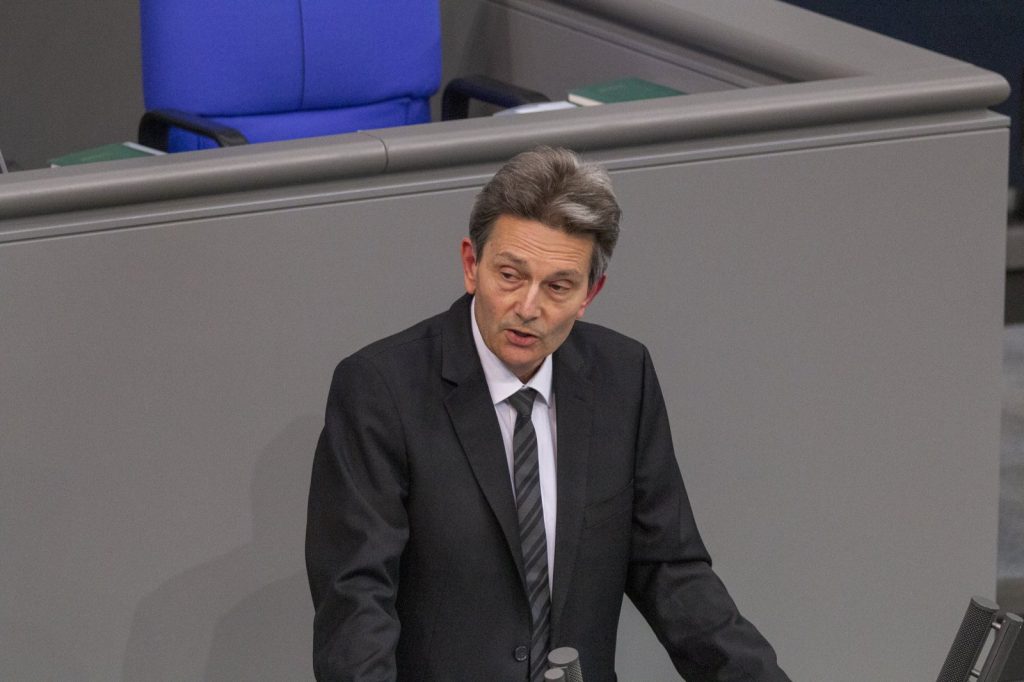
BERLIN — No bill. No cabinet vote. No formal legislative text exists.
Germany’s defence committee has not even scheduled a hearing on the matter. Yet a senior MP’s suggestion that conscription could return by next year has landed with the force of announced policy — precisely because the government has said nothing at all.
Chancellor Olaf Scholz’s office declined to comment. The defence ministry referred questions to the Bundestag. The budget committee said it had received no cost projections.
Silence, in this case, is its own signal. The MP is not a backbencher floating a pet idea.
He sits on the defence committee. His comments are understood inside the building as a trial balloon, launched ahead of what party insiders expect to be a fractious autumn debate. The mechanics are brutal.
Germany suspended conscription in 2011. Thirteen years of professional-volunteer structure have left the Bundeswehr with barracks that were sold off, training grounds converted to civilian use, and a cadre of drill instructors that has dwindled. To bring back conscription would require rebuilding infrastructure that no longer exists.
The defence ministry’s own internal estimates, circulated among staff but not made public, put the reactivation timeline at eighteen to twenty-four months — not the twelve the MP suggested. Then there is the money.
Conscription is cheap per head. Draftees earn a fraction of what volunteers do. But the upfront cost is enormous.
Training capacity must be expanded. Barracks must be rebuilt or leased.
Equipment — basic kit, not tanks — must be procured in bulk. The defence budget is already under strain from inflation and procurement overruns. No new money has been allocated for a draft.
The finance ministry has not been asked. The legal picture is no cleaner. Germany’s Basic Law permits compulsory service, but the 2011 suspension was sold as permanent.
Reversing it would require new primary legislation. That means a bill, committee scrutiny, a floor vote, and potentially a challenge in the Federal Constitutional Court.
Exemptions would have to be defined: conscientious objectors, medical cases, sole breadwinners, students. Every exemption is a political fight. The Bundeswehr itself is divided.
Senior officers, speaking on condition of anonymity, have told colleagues that conscription would solve the personnel shortfall but create a training bottleneck. Units are already under-strength and overstretched.
Adding thousands of raw recruits without the instructors to train them would deepen the crisis before it eased it. Junior officers worry about morale. A professional army that has spent a decade recruiting specialists does not easily absorb conscripts.
Russia’s war in Ukraine is the backdrop. The Zeitenwende — Scholz’s 2022 promise of a turning point in German defence policy — has not delivered the recruitment surge it was meant to. The volunteer model, on paper, was supposed to attract motivated specialists.
In practice, it has left units hollowed out. The MP’s argument is straightforward: the current force is insufficient for modern deterrence.
He is not wrong. But the gap between that diagnosis and a functioning draft is vast. No decision has been made.
No timeline is locked in. The trial balloon is aloft.
What happens when it lands is anybody’s guess.




