
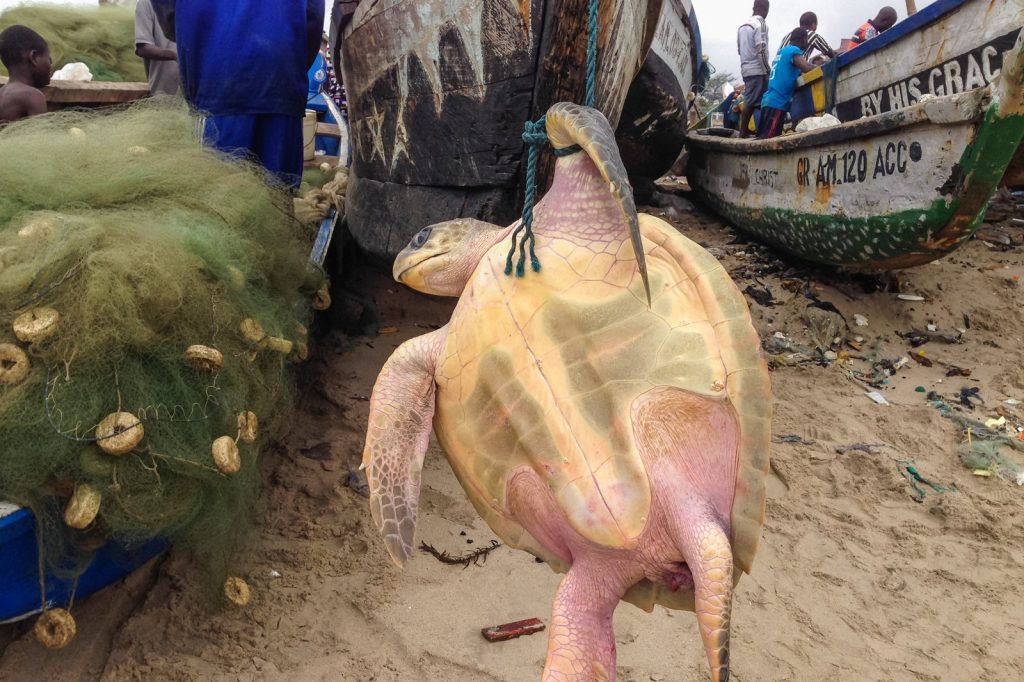
A laboratory analysis has determined that chelonitoxism was responsible for the deaths of nine residents of Zanzibar after they ate sea‑turtle meat, a traditional dish in the archipelago. The victims comprised eight children and one adult.
In addition to the fatalities, 78 other individuals were admitted to hospitals with related symptoms, prompting urgent public‑health alerts. Dr. Fatma Abubakar, a senior health specialist in Zanzibar, said the probe is ongoing and that officials are collaborating with local authorities to identify the source of the toxin and to prevent a recurrence. She emphasized that, while sea‑turtle meat can be a nutritious part of the diet, it may contain harmful toxins if not properly handled and cooked.
The Zanzibar Ministry of Health has issued a public advisory urging residents and visitors to exercise caution when preparing or consuming sea‑turtle meat. The statement calls for strict adherence to food‑safety practices, including thorough cooking and careful handling, to reduce the risk of toxin exposure.
Local government officials have highlighted recent efforts to raise food‑safety standards across the islands. Training programmes for food handlers and public awareness campaigns have been rolled out as part of a broader strategy to improve health outcomes. Dr. Ali Mwinyi, a health official in the semi‑autonomous region, reiterated the commitment to providing safe food options and noted ongoing collaboration with community leaders and stakeholders.
The episode has also underscored the role of scientific research and technology in safeguarding the food supply. Authorities are working with international partners to develop improved methods for detecting toxins in foods, aiming to strengthen monitoring and regulatory capacity.
Zanzibar’s economy relies heavily on tourism, spice production and raffia weaving. Although the incident has raised concerns about possible economic effects, Dr. Abubakar described the outbreak as an isolated event and expressed confidence that, with appropriate measures, the broader economic impact will be limited. Tourists are drawn to the archipelago’s cultural attractions, such as the UNESCO‑listed Stone Town, and often sample local delicacies, including sea‑turtle meat.
The government’s current focus is to ensure that such culinary experiences remain safe for both visitors and locals. Health experts are calling for stronger international cooperation to address food‑borne hazards that transcend borders.
By sharing knowledge and resources, they believe similar incidents can be prevented worldwide. As the investigation proceeds, community members are rallying to support the families affected by the tragedy. The incident has heightened public awareness of food‑safety issues and reinforced the need for continued investment in research, technology and education.
Both Dr. Abubakar and Dr. Mwinyi remain optimistic that ongoing efforts will lead to a safer food environment in Zanzibar. Their statements stress a commitment to finding solutions, leveraging scientific advances, and maintaining confidence in traditional cuisine when proper safeguards are observed.




