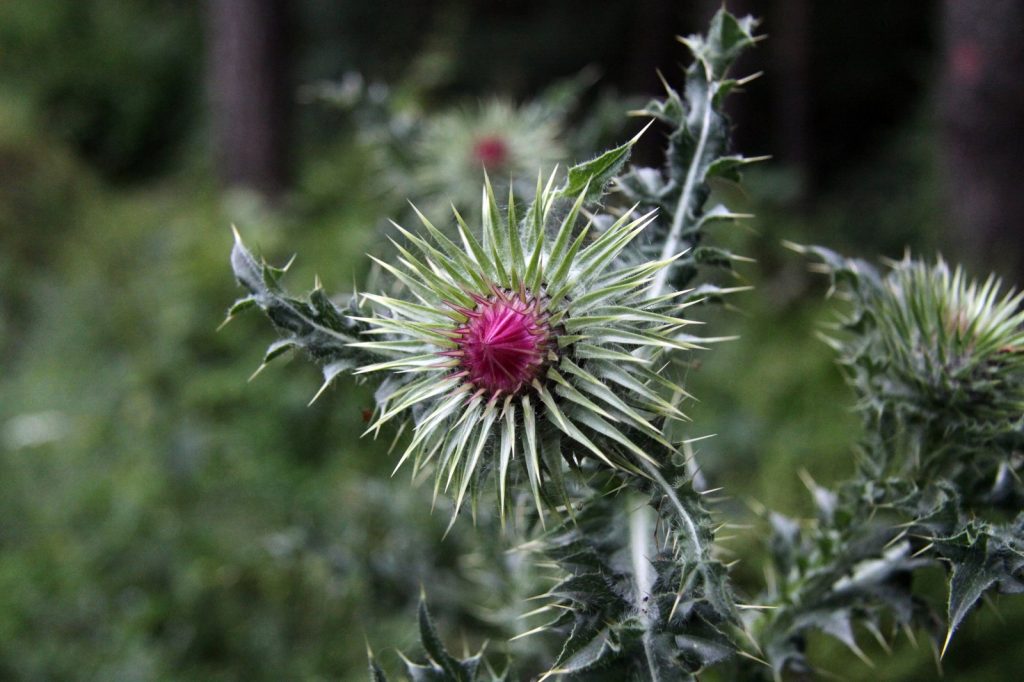
Three old remedies, milk thistle, turmeric and dandelion root, now share a single capsule. Now they come bundled in one capsule, labeled “liver wellness,” and sold to people who want to look after their metabolism before anything goes wrong.
On July 5, 2026, PureHealth Research of Manassas, Virginia, put out a paid press release pointing to growing interest in herbal liver supplements built around the three plants. The company described the liver as central to metabolism, processing nutrients and digestion. It named milk thistle for healthy liver function, turmeric for antioxidant defenses and dandelion root for digestion.
Why the category is growing
IHR Magazine, a trade publication, said liver support has turned into one of the busiest sections of the supplement aisle. Its explanation is a mix of habits. People want to be proactive about their health after the pandemic, social media is full of talk about detox and metabolic health, and what was once labeled non-alcoholic fatty liver disease has climbed along with obesity and type-2 diabetes. The magazine said all of that has moved liver support out of the practitioner niche and onto mainstream shelves.
What the evidence says
Milk thistle is the best studied of the three. WebMD notes that people have used it for liver and gallbladder complaints, and that its main active ingredient is silymarin. The research is conflicting. In one study, eight weeks of milk thistle powder in people with fatty liver disease meant clearly better ultrasound grading and liver enzymes. Yet experts quoted by WebMD say the evidence is not clear, and the right dose has not been confirmed for any condition. Milk thistle seems to cause few side effects, but it can interact with a long list of medicines.
Turmeric carries a bigger caveat. Its curcumin has antioxidant and anti-inflammatory data behind it, IHR said, but it is poorly absorbed. Makers add black pepper extract (piperine) or other delivery systems to get around that. NutraIngredients reported on August 24, 2026 that regulators are issuing mounting warnings over uncommon liver injuries tied to turmeric supplements. Italy recorded roughly 20 cases of hepatitis linked to such products from late 2018 into mid-2019. By the end of August 2021, France had more than 100 adverse-event reports, fifteen of them involving hepatitis.
Regulators do not see a problem with turmeric eaten in ordinary food. They point instead to the higher exposure that comes with products built to boost absorption. Some experts question whether case reports account for other risk factors, and the absolute risk to users remains uncertain.
Dandelion root has the thinnest clinical file. IHR said it earns its place in these blends mostly through tradition, as a bitter for digestion and a mild diuretic.
Rules differ by country
In Canada, IHR noted, liver supplements are Natural Health Products overseen by Health Canada, and each label claim must match one authorised on the product’s Natural Product Number. Wording that passes in a US press release may not be allowed there. The magazine advised retailers to steer clear of “detox” and “cleanse,” and said milk thistle and turmeric can interact with medicines the liver processes, which makes a chat with a pharmacist sensible. Anyone with a liver condition or on regular medication should check with a doctor first.
Sources
- Liver Wellness Is Having a Moment — What's Real, What's Regulated, and How Canadian Retailers Should Play It – IHR Magazine
- Liver Wellness Is Having a Moment — What's Real, What's Regulated, and How Canadian Retailers Should Play It – IHR Magazine
- How turmeric supplements brought bioavailability and idiosyncrasy into regulatory focus
- Milk Thistle for Liver Health: Benefits and Side Effects
- Scientific Interest Grows in Liver Health Herbal Supplements Featuring Milk Thistle, Turmeric and Dandelion Root, Highlights PureHealth Research