
On October 11, 2024, the medical community continued to recognize the importance of glucagon-like peptide-1 (GLP-1), a peptide hormone that plays a crucial role in regulating blood sugar levels. Derived from the proglucagon peptide, GLP-1 is produced and secreted by intestinal enteroendocrine L-cells and certain neurons in the brainstem, particularly after food consumption. This hormone has been found to have a significant impact on glucose-dependent insulin secretion, making it a vital component in the treatment of diabetes and obesity.
The structure of GLP-1 is composed of 30 or 31 amino acids, and its initial product, GLP-1 (1–37), undergoes amidation and proteolytic cleavage to form two biologically active forms: GLP-1 (7–36) amide and GLP-1 (7–37). These active forms of GLP-1 have a distinct secondary structure, consisting of two α-helices separated by a linker region.
This unique structure enables GLP-1 to interact with its receptors and exert its effects on glucose metabolism. As an incretin, GLP-1 has the ability to decrease blood sugar levels in a glucose-dependent manner by enhancing the secretion of insulin. This is similar to another incretin, glucose-dependent insulinotropic peptide (GIP).
However, unlike GIP, the action of GLP-1 is preserved in patients with type 2 diabetes, making it a valuable therapeutic target for the treatment of this condition. The insulinotropic effects of GLP-1 have been well-documented, and its potential to regulate blood sugar levels has led to the development of GLP-1 receptor agonists as drugs to treat diabetes and obesity.
The regulatory and protective effects of GLP-1 extend beyond its insulinotropic properties. Research has shown that GLP-1 has numerous beneficial effects on the body, although the exact mechanisms and scope of these effects are still being studied. The preservation of GLP-1 action in patients with type 2 diabetes has significant implications for the treatment of this condition, and ongoing research aims to fully elucidate the potential of GLP-1 in this context.
Therapeutic Applications
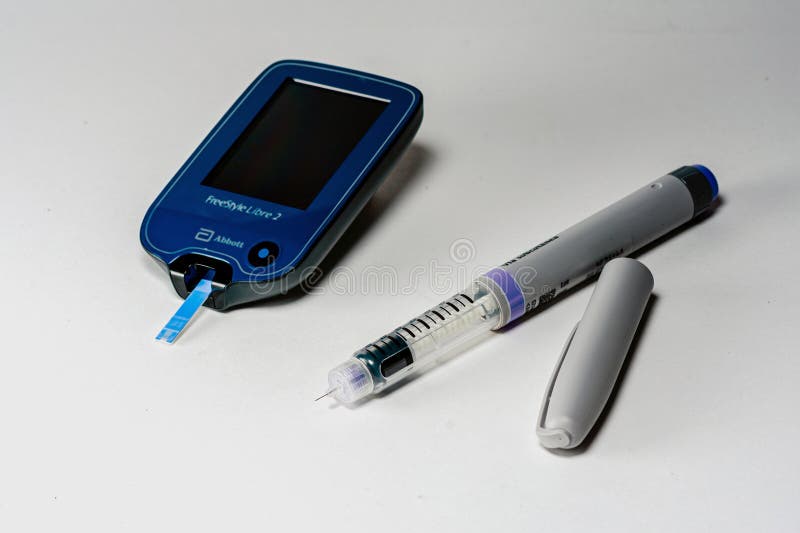
GLP-1 receptor agonists have gained approval as drugs to treat diabetes and obesity, starting in the 2000s. These drugs mimic the action of native GLP-1, enhancing insulin secretion and regulating blood sugar levels. The development of GLP-1 receptor agonists has provided new therapeutic options for patients with diabetes and obesity, and their use has been associated with improved glycemic control and weight management.
As research continues to uncover the full potential of GLP-1, it is likely that new therapeutic applications will emerge, further expanding the role of GLP-1 in the treatment of metabolic disorders. Looking ahead, further studies are needed to fully understand the mechanisms of GLP-1 and its potential therapeutic applications.
As research continues to uncover the intricacies of GLP-1 biology, it is likely that new discoveries will be made, leading to the development of novel therapies and treatments. The recognition of GLP-1 as a vital component in glucose metabolism and its potential to regulate blood sugar levels will undoubtedly continue to drive research and innovation in this field, ultimately leading to improved treatments and outcomes for patients with diabetes and obesity.




