
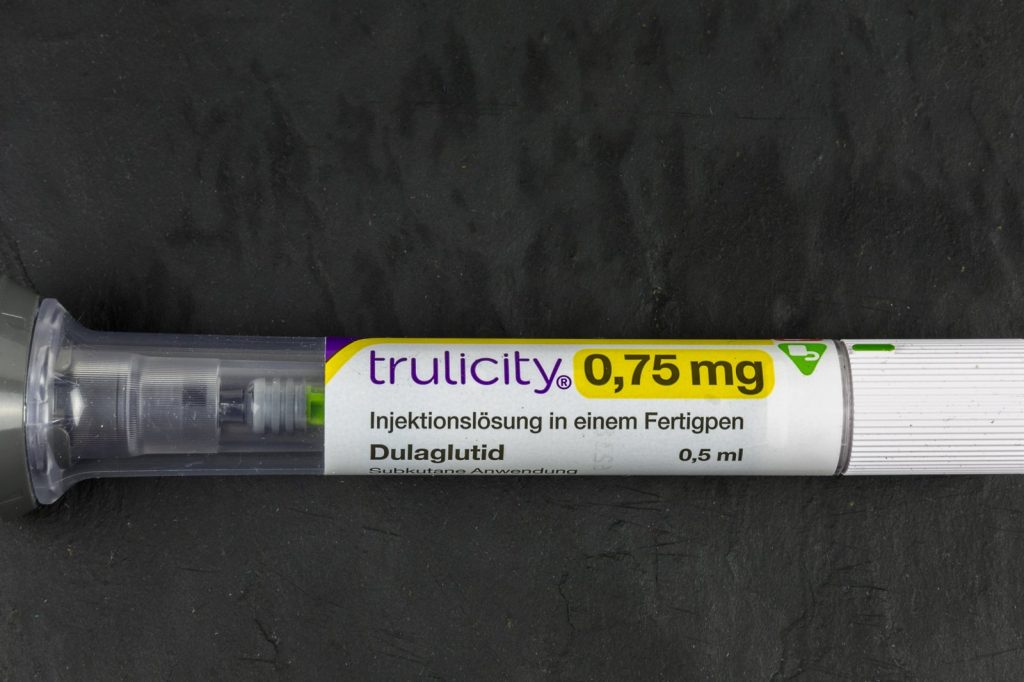
Of the people in a WeightWatchers weight-loss program who drank alcohol before they started, 45% said they drank less afterward. That is the headline finding of a study published Tuesday in JAMA Network Open.
The researchers followed more than 14,000 participants who had enrolled in a telemedicine program. Most of them, 86%, were taking semaglutide or tirzepatide, the active ingredients in Wegovy, Ozempic, Mounjaro and Zepbound. About half said they drank before the program began, and those are the people whose habits were tracked.
Scientists affiliated with WeightWatchers had already been hearing from participants that they were drinking less. So they teamed up with outside researchers to build a study that could compare people before and after starting a medication. Lead researcher Lisa Miller-Matero, associate director of Health Services Research at Henry Ford Health, said that was the difference from earlier work. Most of it, she told Gizmodo, looked at people with substance use disorders. This one covered a range of drugs: metformin, bupropion/naltrexone, first-generation GLP-1s and second-generation GLP-1s.
Drinking dropped in every medication group. People on bupropion/naltrexone were the most likely to report cutting back, though once the team adjusted for weight lost, the gap between treatments was no longer significant. “What is also exciting was that those who were drinking at moderate or heavy levels had a greater likelihood of reducing alcohol use,” Miller-Matero said.
Why it happens probably varies by drug. Naltrexone is known to curb alcohol cravings. GLP-1s may dull the reward people feel from drinking, much as they seem to do with food. The metformin result surprised the team, since earlier research gave no reason to expect it. They suspect the program itself played a part, because people trying to lose weight are often told to limit alcohol to save calories, and they tend to be motivated to change.
That caveat matters. There was no comparison group of program members who took no medication, so the study cannot say the drugs themselves caused the drop. Miller-Matero would like to run randomized trials that include such a group. “I think it’s a bit early to make recommendations about using these for the treatment of substance use disorders,” she said, “but I do think this work is promising.”
Earlier evidence for a link has leaned on animal studies, personal anecdotes and small studies of GLP-1 users. Elsewhere, scientists have begun small trials that test semaglutide directly in people with alcohol use disorder. Naltrexone is already approved for that condition.
Talk to your doctor before taking any of these medications.




