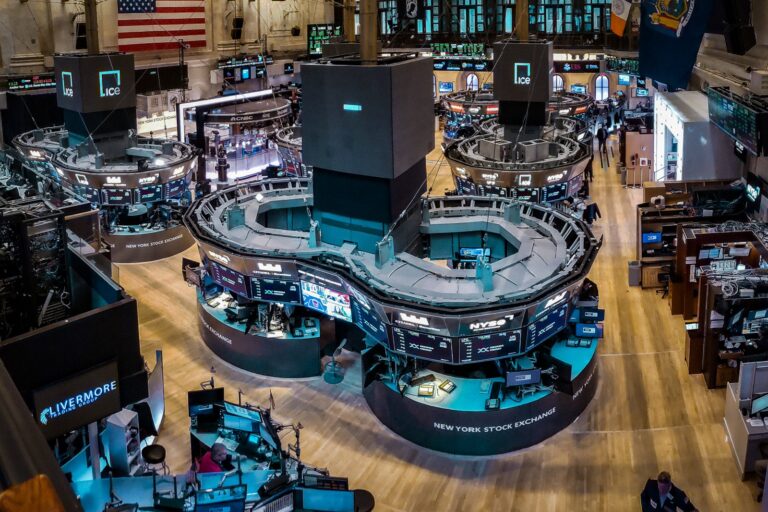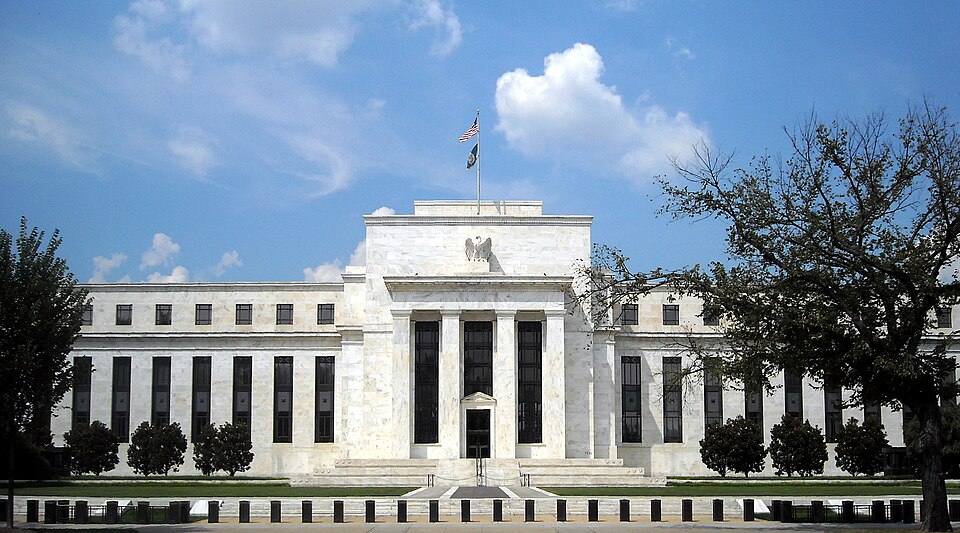
On October 16, 1907, two speculators lost heavily in a failed attempt to corner the stock of United Copper. Within a week a New York trust company had closed its doors after depositors pulled out nearly $8 million. That sequence of events, the Federal Reserve’s own historians say, set the United States on the road to a central bank.
1907 and the case for a lender of last resort
The Panic of 1907 counts as the century’s first global financial crisis. It turned a recession into a contraction that only the Great Depression would later exceed. The trouble centred on New York trust companies, which competed with banks for deposits but held around 5 percent of deposits in cash, against 25 percent at national banks. When Knickerbocker Trust asked the New York Clearing House for help, it was turned down: trusts were not members. J.P. Morgan declined to step in as well.
Congress answered in 1913. President Woodrow Wilson signed the Federal Reserve Act, which set up twelve regional banks that were part public, part private. For most of the nineteenth century the country had no central bank to lend in an emergency, and the panics showed it.
The Depression, and the failure to lend
The new institution did not pass its first great test. The Fed raised interest rates in 1928 and 1929 to curb speculation, and the move slowed the economy; because the gold standard tied monetary policy across countries, it set off recessions abroad too. Then came the banking panics. From the fall of 1930 through the winter of 1933, the money supply fell by nearly 30 percent, a collapse the Fed did not stop.
Its leaders were divided. Some believed in lending to solvent banks under siege, others in the “real bills” doctrine, and a few in a liquidationist view that central banks should stand aside. The Fed’s own history concludes that its efforts, though well intentioned, appear to have been “too little and too late.” Congress then rebuilt the system, from the Banking Act of 1932 to the Banking Act of 1935, shifting some of the Fed’s duties to the Treasury and new agencies such as the Federal Deposit Insurance Corporation.
2008: the playbook rewritten
Across the country, home prices dropped more than a fifth on average between early 2007 and mid-2011, according to the Fed’s history. In the spring of 2008 JPMorgan Chase bought Bear Stearns with the Fed’s assistance. Lehman Brothers filed for bankruptcy that September. The Fed backed AIG the following day.
The federal funds target began at 4.5 percent when 2007 closed, stood at 2 percent in early September 2008, and by year’s end sat in a band of 0 to 25 basis points. In November the Fed started the first of its large-scale asset purchase programs, purchasing mortgage-backed securities along with longer-term Treasuries. New lending programs followed for primary dealers, money market mutual funds and commercial paper. Output fell 4.3 percent from peak to trough. The recession lasted eighteen months, the longest since World War II, and unemployment doubled from under 5 percent to 10 percent. Congress passed the Dodd-Frank Act in 2010.
2020: further than before
In March 2020 the Fed again cut short-term rates, to between 0% and 0.25% and bought Treasuries and mortgage-backed securities on a larger scale than in the earlier crisis. Securities holdings rose by about $1.2 trillion in April alone, and the balance sheet passed $7 trillion by May. The Congressional Research Service counted emergency facilities covering commercial paper, money market funds, asset-backed securities, state and local governments, and corporate bonds, including a secondary-market facility able to buy corporate bond exchange-traded funds. A Main Street Lending Program bought loans to mid-sized firms, those with as many as 15,000 employees or revenues of up to $5 billion.
Congress put up to $500 billion behind these programs through the CARES Act, signed March 27, 2020. Chair Jerome Powell drew the boundary in May: “the Fed has lending powers, not spending powers.” By 2022 the balance sheet had doubled to nearly $9 trillion.
Sources
- The Panic of 1907 (Federal Reserve History)
- The Great Depression (Federal Reserve History)
- The Great Recession and Its Aftermath (Federal Reserve History)
- The Federal Reserve's Response to COVID-19: Policy Issues (Congressional Research Service)
- What Is the U.S. Federal Reserve? (Council on Foreign Relations)