“All you see are various shades of white, blue, and black,” said postdoctoral scholar Sam Afoullouss, describing the Antarctic landscape. “Then you go under the water, and it’s a whole range of colors that you’ve never seen before.”
Afoullouss and Ben Meister, the research diving safety officer at the University of South Florida, made the trip in February to collect sea squirts. The animals, also known as ascidians, live only in Antarctic waters. They produce a metabolite called palmerolide, the molecule USF chemistry professor Bill Baker has been chasing.
“The molecule that we’re interested in that cures cancer targets a particular enzyme in melanoma and kills the melanoma without killing the patient,” Baker said. Cures is his word, and a long way off; he said the metabolite could one day go into a drug, but more research comes first.
Diving for samples
Baker began studying this sea squirt 20 years ago. Its cancer-fighting properties were discovered at USF. The team made more than 160 dives on this expedition. Afoullouss filmed himself and Meister harvesting the animals, and described them as “very much like treasure at the bottom of the sea” because of their golden color. A bag of them is now kept frozen in a USF lab.
The conditions were punishing. “We had ice, we had depth, we had cold, we had leopard seals, we had the dry suit,” Meister said. He described the first sensation as an intense external ice-cream headache.
Teams from the Desert Research Institute and the Scripps Institution of Oceanography were also key to the project. Alison Murray of DRI, who leads its microbial ecology and genomics team, was chief scientist. The researchers surveyed 200 miles of the Antarctic peninsula, far more than before.
What comes next
Baker said the group wants to learn why the sea squirt and its microorganism make the chemical at all. “They must make it for a reason, not to cure melanoma,” he said. Murray said understanding how the metabolite affects the animal, or how the animal resists it, is a major part of any future use in medicine.
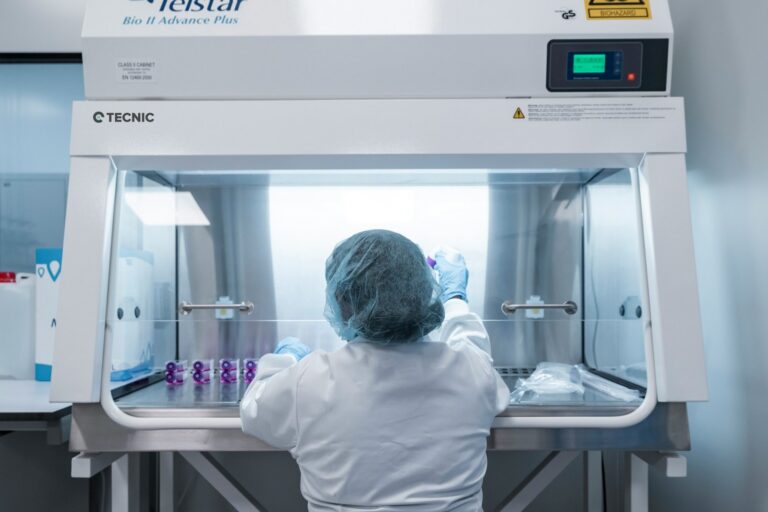
The next step is a specialty lab on the USF campus. The Joint Genome Institute in California is synthesizing the genes behind the substance, so researchers can grow more of it without going back to Antarctica.
Dr. Rick Jacobson, a USF assistant professor and skin cancer surgeon, sees the stakes at Tampa General Hospital. Screening by dermatologists is rising, he said, and that catches melanomas early and makes them easier to treat. Even so, “we’re still seeing high volumes of new patients every week.” The Skin Cancer Foundation puts survival at 99 per cent when melanoma is caught early.
Patients with questions about skin changes or treatment should talk to their doctor.