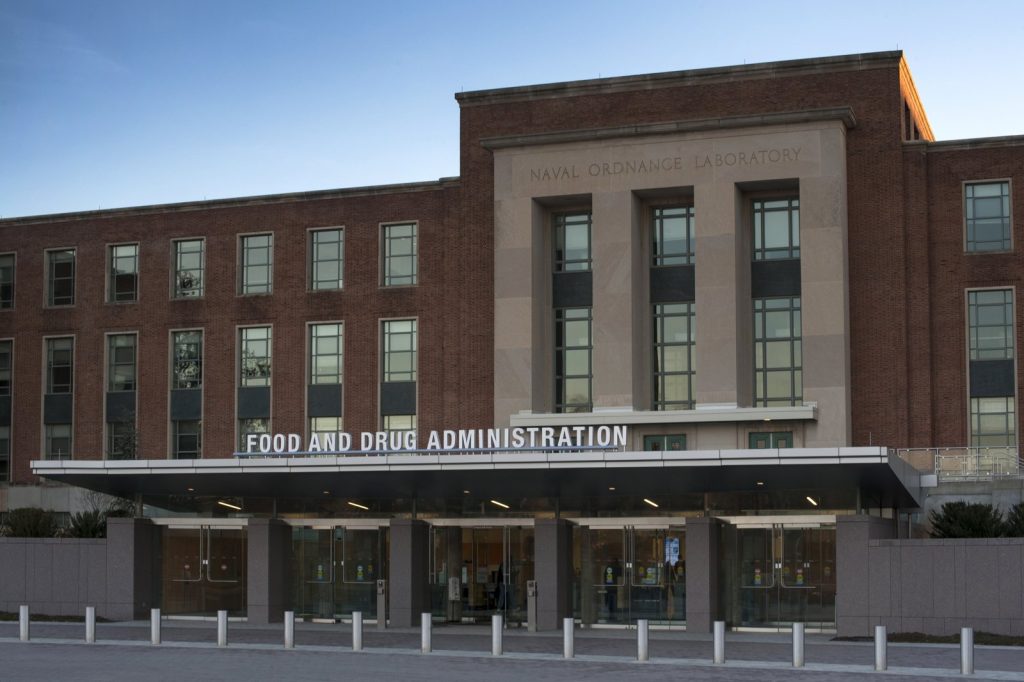
For families living with Alexander disease, there is now a treatment aimed at the cause rather than the symptoms. The US Food and Drug Administration approved Zanvastro (zilganersen) on Sept. 3, the first approved therapy for the condition. The approval went to Ionis Pharmaceuticals and covers children and adults.
“For patients with Alexander disease and their families, there have been no approved treatment options, only supportive care while the disease progresses,” said Emily Freilich, who directs the FDA’s Division of Neurology I.
The disease
Alexander disease is a rare inherited neurological disorder affecting fewer than one in a million people. It brings loss of mobility, seizures and trouble with speech, and it is often fatal. Mutations in the gene that makes glial fibrillary acidic protein (GFAP) produce abnormal versions of it. The protein clumps into tangles called Rosenthal fibers, which stress the brain’s astrocytes and damage them along with the myelin. Signs most often appear before age 2.
How the drug works
Zanvastro is an antisense oligonucleotide, a small piece of DNA designed to lower production of GFAP. A trained health care professional injects it into the spinal canal every three months. The trial that led to approval began in 2021.
The FDA reviewed a randomized, controlled study of 49 patients aged 2 and older, plus a four-patient open-label substudy of children under 2. Among patients 5 and older who had measurable trouble walking, those given the drug had significantly better walking speed at 61 weeks than untreated patients. In children aged 2 to 4, a broader motor assessment improved in the treated group while the control group declined. For those under 2, the agency said direct data were limited, and modeling suggested drug levels should be similar to those in older children.
It is not a cure. It does not reverse the condition, but it can slow progression and ease symptoms. One mother described her daughter’s response this way: “The fog’s being lifted on her brain, and her personality gets a chance to come out more and more.”
Side effects
The most common side effects were vomiting, back pain, cough, headache and post-lumbar puncture syndrome. The FDA says aseptic meningitis, inflammation of the lining around the brain and spinal cord, has been reported in treated patients. Most side effects were mild or moderate.
Thirty years of work
Neuropathologist Albee Messing of the University of Wisconsin-Madison has studied the disease for more than 30 years. He and colleagues, including Michael Brenner of the University of Alabama at Birmingham, bred mice to overproduce GFAP and found, to their surprise, that the animals developed the classic lesions of the disease. That pointed to a clear strategy: “the GFAP protein,” Messing said. After checking existing approved drugs, the team designed its own.
“This is a wonderful and long-awaited day for the Alexander disease community,” Messing said. The encouraging part is that patients who have waited decades now have an option. Anyone affected should talk to their doctor about whether Zanvastro is right for them, and to consult their doctor about benefits and risks.
Sources
- After 30 Years, FDA Approves First-Ever Drug For a Rare Neurological Disorder
- FDA Approves First Drug for Alexander Disease, a Rare Brain Disorder