
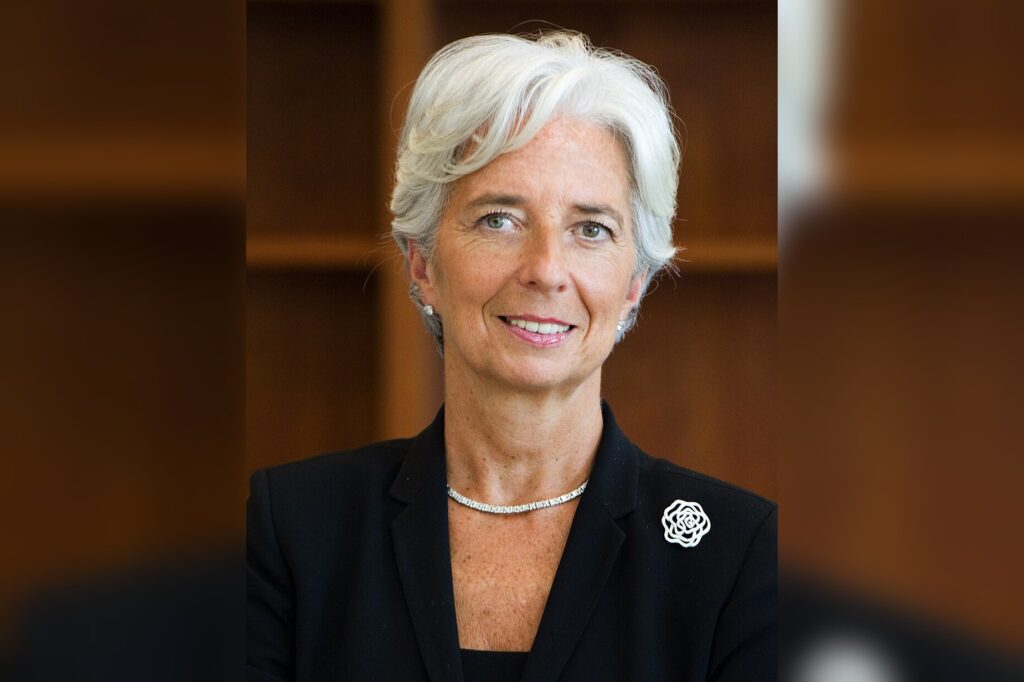
FRANKFURT, July 10 — Christine Lagarde, President of the European Central Bank, has spent the past years steering the institution through a period of profound technological and regulatory change in global finance. Appointed on November 1, 2019, as successor to Mario Draghi, Lagarde brought to the ECB a career spanning French ministerial power and the top job at the International Monetary Fund.
According to the official record, Lagarde served as France’s Minister of Economy, Finance and Industry from 2007 to 2011 before moving to Washington to lead the IMF from 2011 to 2019. That trajectory—from national finance chief to managing director of the world’s crisis lender to head of the eurozone’s central bank—is unusual even by the standards of European public service.
Officials confirmed she took the ECB helm just months before the pandemic struck, forcing the bank into emergency bond-buying programs that tested the limits of its mandate. The strategic context for Lagarde’s tenure, however, may be defined not by crisis management but by the digital transformation of money itself. In July 2021, the ECB launched the investigation phase for a digital euro, a project that aims to create a central bank digital currency for the euro area.
The record shows that a final decision on whether to issue a digital euro is not expected until 2028, giving the institution years to resolve technical and political questions. Lagarde has publicly stated that a digital euro would complement cash, not replace it, and would prioritize privacy and security.
That formulation matters in a bloc where many citizens remain attached to physical currency and where German and Austrian officials have been particularly sensitive to any suggestion of cash abolition. The ECB has published two progress reports on the digital euro, in 2022 and 2023, outlining design options including offline functionality and privacy protections. On the broader cryptocurrency question, Lagarde has advocated for global regulatory standards, calling for a “global approach” to crypto regulation.
This position puts her at odds with some crypto advocates who favour minimal oversight, but aligns with the view of many central bankers that digital assets operating outside traditional banking frameworks pose risks to financial stability and consumer protection. The geopolitical dimension is difficult to ignore. A digital euro, if issued, would represent a direct challenge to the dominance of US dollar-denominated stablecoins and to private-sector initiatives such as Meta’s abandoned Libra project.
European officials have confirmed that the digital euro is seen partly as a tool to preserve monetary sovereignty in an era when Big Tech and foreign states are developing their own payment systems. Lagarde’s background at the IMF, where she dealt with sovereign debt crises in Greece and Argentina, gave her direct experience with the kind of capital flight and currency substitution that a digital euro could theoretically help prevent.
If eurozone citizens can hold digital euros directly at the central bank, the reasoning goes, they may be less likely to flee into dollars or cryptocurrencies during a crisis. The investigation phase that began in 2021 is now in its fourth year. The ECB’s two progress reports have laid out technical parameters, but the political negotiations among eurozone governments over the final design have yet to conclude.
Issues such as holding limits—how many digital euros any individual can hold—and the precise degree of privacy remain unresolved. What comes next is a decision point.
With a verdict on issuance expected by 2028, the Lagarde era at the ECB will likely be remembered for whether it delivered a functioning digital euro or whether the project stalled amid technical complexity and political disagreement. For now, the institution continues its work, and the record shows that Lagarde has positioned the ECB firmly in favour of a digital future—provided it can be built with the privacy and security she has promised.




