
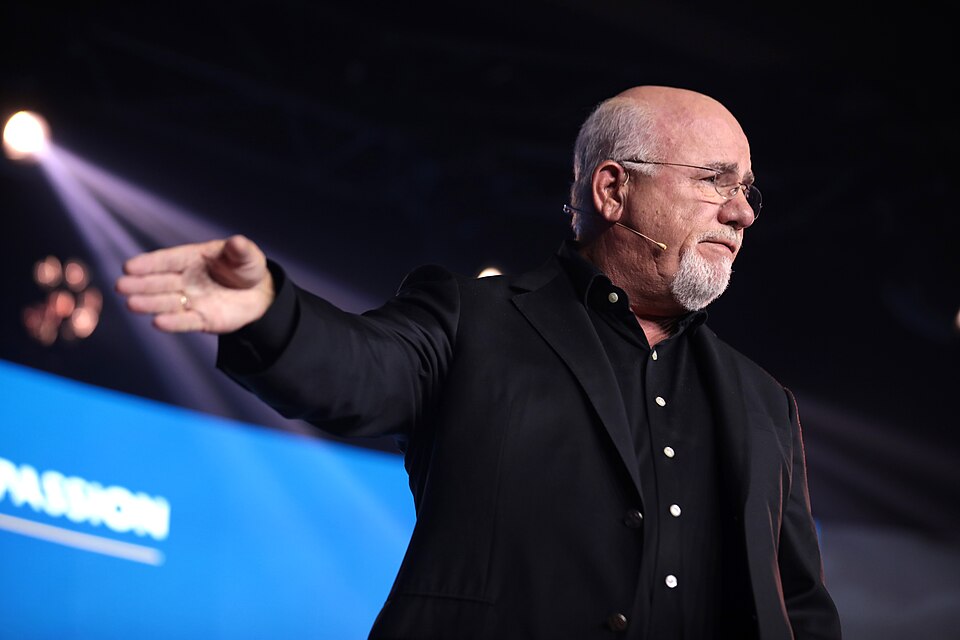
NASHVILLE, Sept. 8 — Dave Ramsey, the radio host whose anti-debt advice reaches an estimated 20 million listeners, is facing renewed criticism over his core claim: that financial hardship is a personal failure, even when the economy itself is failing. The bottom line: Ramsey, who has been on air for 34 years and employs more than 1,000 people at his personal finance company, argues that individuals are responsible for their own money troubles during recessions and inflation.
A recent critical profile takes aim at that stance, calling it callous and mathematically dubious. Ramsey’s flagship advice is absolute: no credit cards, no 30-year mortgages, and no reliance on credit scores.
He tells families to buy homes only with a 15-year mortgage and a down payment of at least 10 percent. Critics counter that 15-year mortgages carry far higher monthly payments, and that avoiding debt is unrealistic for accident victims, consumers facing inflation, or workers laid off in downturns. The profile notes that 29 percent of Americans say they could not cover an emergency cost above $400, and points to stagnating median household buying power as evidence that debt-free living is out of reach for many.
The criticism sharpens around retirement and personal conduct. Discussing callers in their 70s who lack savings and must keep working, Ramsey said younger people should treat those calls as “God’s direct slap” — a wakeup call.
After noting that people work hard but spend on $750 car payments, he exclaimed, “You’re broke because you’re stupid!” He also urged life insurance to protect against early death leaving children with nothing, concluding, “I don’t want to be working at McDonald’s when I’m 70, unless it’s the one I own in St. Thomas.” The sharpest critique concerns medical debt. The profile argues frugality advice simply does not apply — nobody makes an impulse buy of a replacement organ or has a frivolous broken bone.
Ramsey’s own website admits medical debt “sucks” and makes people feel “hopeless,” recommending families prioritize needs first while doing the “godforsaken homework” required by private health insurance. Ramsey, an outspoken Christian who lectures mostly at Protestant churches and directs audiences to his network of endorsed financial consultants, remains popular among working- and middle-class listeners raised to believe the rich worked hard and the poor should get a job.
The profile contrasts his blame-heavy approach with the understanding shown to a desperate person who steals food during wartime, arguing that telling people to “be grown ups” during major economic contractions is “buffoonish.” What to watch: whether Ramsey’s anti-debt absolutism holds appeal as household buying power stagnates and emergency costs remain out of reach for nearly a third of Americans.




