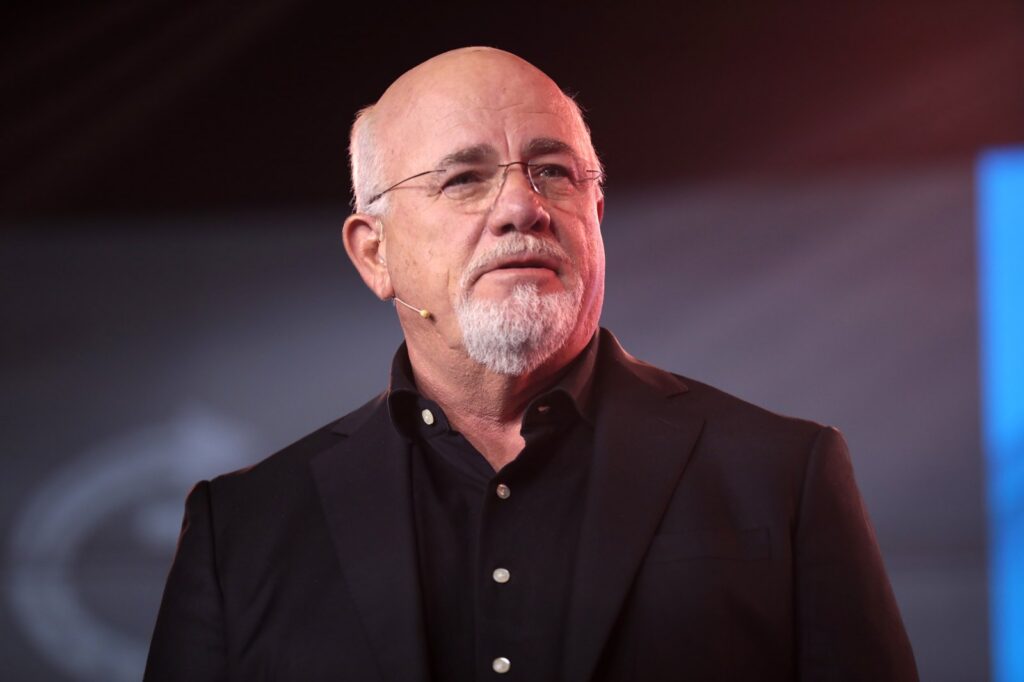
On his radio show, Dave Ramsey told a 58-year-old caller with a $3 million nest egg that they had more than enough cushion to retire early.
The $3 Million Retirement Benchmark
Retiring at 58 means forgoing Social Security benefits for four years. Ramsey, founder and CEO of Ramsey Solutions and host of The Ramsey Show, assessed the caller’s situation and delivered a clear verdict: the portfolio was sufficient. He emphasizes a philosophy of debt elimination and living within one’s means. Ramsey’s advice comes as a contrast to the broader financial landscape. According to the 2025 Federal Reserve Survey of Consumer Finances, the median retirement balance for households aged 55-64 is $239,000. By the numbers, a $3 million portfolio represents a significant multiple of that figure.
Balancing Withdrawal Rates Against Market Volatility
A key part of Ramsey’s argument is the performance of the portfolio itself. He suggests that if a portfolio earns a 12% return, withdrawing less than that amount ensures the principal remains untouched. This “12% rule” implies a retiree could live off the gains without ever dipping into the initial $3 million. However, critics note this rule ignores the reality that market returns are uneven and can be volatile. A 4% withdrawal rate is generally considered more resilient to market downturns than a 10% withdrawal plan. The figure that matters for long-term viability is not just the average return, but the sequence in which those returns occur.
The Impact of Sequence of Returns Risk
Sequence of returns risk is the danger that poor market performance early in retirement can permanently damage a portfolio’s longevity. Ramsey’s model assumes consistent, paycheck-like returns. In reality, a retiree could face a “market bonfire,” like the 4% single-day drop in the S&P 500 on November 5, 2026. Bad market years occurring early in retirement can significantly shrink a portfolio’s principal despite high average returns. For example, a $1 million portfolio hit by downturns early could shrink to about $718,000, even with a 12% average return. A 10% withdrawal plan in that scenario would be permanently damaged, while a more conservative 4% plan would only be briefly dented. The bottom line is that the order of returns matters more than the average over time.
Planning for Healthcare and Long-Term Care
Regardless of market performance, retirees must account for unexpected expenses. Ramsey emphasizes that retirees must account for unexpected expenses like medical bills and long-term care. A healthy 58-year-old should plan for a retirement lasting 25 to 30 years, and reaching the centenarian mark is no longer the rarity it once was. This long runway increases the probability of encountering significant healthcare costs. While Ramsey pushes back on over-indexing worst-case scenarios, he acknowledges they are real and that a smart retiree will have contingency plans. The caller in question, who earns $300,000 annually, has no intention of spending lavishly in retirement, which helps protect the nest egg from lifestyle inflation.
The Role of Social Security in Early Retirement
The caller’s plan to retire at 58 hinges on bridging a four-year gap before becoming eligible for Social Security benefits. Ramsey’s assessment focuses on the viability of the $3 million portfolio to cover this period and the decades that follow. His financial philosophy centers on building a large enough nest egg to generate sufficient income, reducing reliance on government programs. While rumors about Social Security’s solvency are common, Ramsey does not believe benefits are simply going to vanish. However, he warns against dependence on Social Security as a primary income source, advocating instead for self-sufficiency through careful planning and investing. The 95% of Americans who consider Social Security important, with 82% describing it as very important, highlights just how much people rely on it.
Sources
- Dave Ramsey Says $3 Million Is Enough for a 58-Year-Old to Retire, Despite the Risks
- Dave Ramsey
- Dave Ramsey Says You’ll “Never Touch” Your Retirement Principal If You Withdraw Less Than 12%. Here’s the Catch
- Meet EveryDollar: Your Free Zero-Based Budgeting App
- Dave Ramsey Says People in Their 50s Need to Stop Believing These 10 Retirement Myths
- Dave Ramsey Warns 23-Year-Old Who Inherited $450K That He Could Be Missing Out on Five Times More Money
Photo: Gage Skidmore from Surprise, AZ, United States of America (CC BY-SA 2.0)