
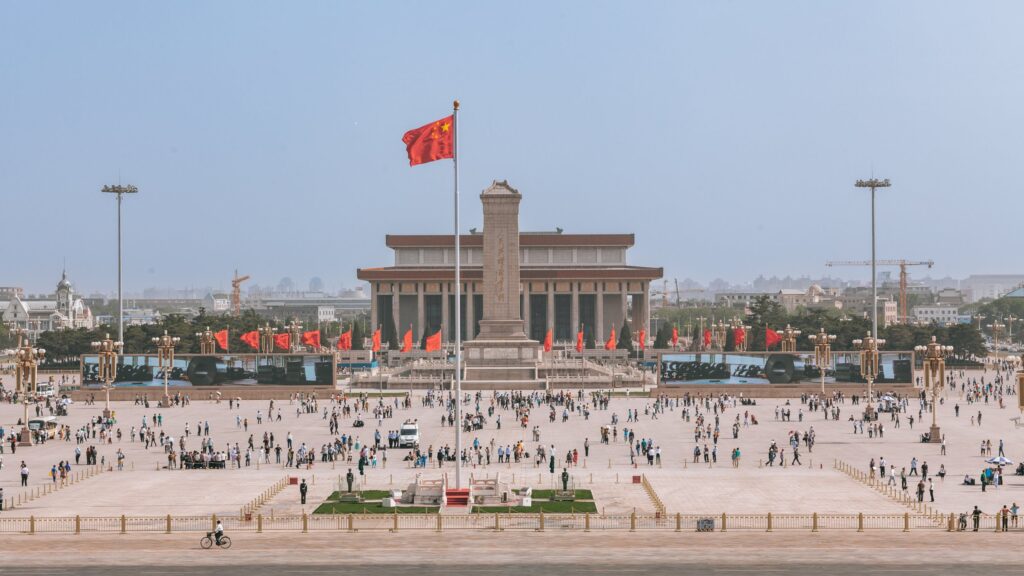
The man who died in Beijing on Monday had been to Wuhan on January 8. A week later he came home with a fever. The city’s health commission said he was 50 years old and died of respiratory failure, the first death from the new coronavirus in the Chinese capital.
His death was part of a national toll that rose to 82, with almost 3,000 people confirmed ill, according to the BBC. Reuters, citing Chinese figures, put confirmed cases in China at 2,744, up about 30%, with roughly half in Hubei province. In Hubei itself the death count went from 56 to 76.
The government responded by lengthening the Lunar New Year holiday by three days, to Sunday, February 2. The BBC’s Robin Brant called it a highly unusual step for the country’s main holiday. The reasoning, he said, was simple: after the pre-holiday travel surge, officials did not want half a billion people boarding trains, planes and buses again to return to work.
Businesses told to stay shut
Shanghai barred companies from reopening until February 10, with exceptions for utilities, medical firms and suppliers, and supermarkets. Haidilao International, the hotpot chain, closed branches nationwide from Sunday until Friday. Tencent told staff to work from home until February 7. Alibaba pulled vendors’ overpriced face mask listings from Taobao as prices surged.
Asian shares fell. Japan’s Nikkei average slid 2.0%, its biggest one-day drop in five months, while investors bought the yen and Treasury notes as havens. Reuters noted that during the 2002-2003 SARS outbreak, a coronavirus that killed nearly 800 people globally, air passenger demand in Asia fell 45%, and the travel industry now leans harder on Chinese travellers.
How many are really infected?
Nobody could say. Professor Neil Ferguson of Imperial College London told the Guardian his “best guess” was 100,000 infected. The University of Hong Kong’s medical faculty came in closer to 43,000, and warned that without intervention tens of thousands more could fall ill each day at the peak. Dean Gabriel Leung advised “substantial, draconian measures” to limit movement.
Part of the uncertainty lies in how the virus behaves. National Health Commission Minister Ma Xiaowei said the incubation period could run from one to 14 days and that, unlike SARS, the virus was infectious during incubation. The World Health Organization estimated two to 10 days. Wendy Barclay, a virologist at Imperial College London, said many respiratory viruses do spread without symptoms. If this one does, she said, “controlling the spread does become more of a challenge, and measures like airport screening are unlikely to stem the virus effectively.”
Wuhan and beyond
Premier Li Keqiang visited Wuhan in a blue protective suit and mask, the most senior leader to do so since the outbreak began. Wuhan, home to 11 million people, was in virtual lockdown, and much of Hubei, with nearly 60 million residents, faced some form of travel restriction. A Wuhan resident complained on Weibo that “Hubei people are getting discriminated against,” after Hong Kong barred anyone who had been in Hubei in the past 14 days, though not its own residents.
At least 44 cases had been confirmed abroad, including in Germany, the United States and Australia. WHO director-general Tedros Adhanom Ghebreyesus was in Beijing to meet officials and experts.
Sources
- Coronavirus: Death toll rises to 82 as China extends holiday
- China extends holiday, Beijing reports first death as coronavirus toll climbs to 82 – The Tribune
Sources
- Coronavirus: Death toll rises to 82 as China extends holiday
- China extends holiday, Beijing reports first death as coronavirus toll…




