
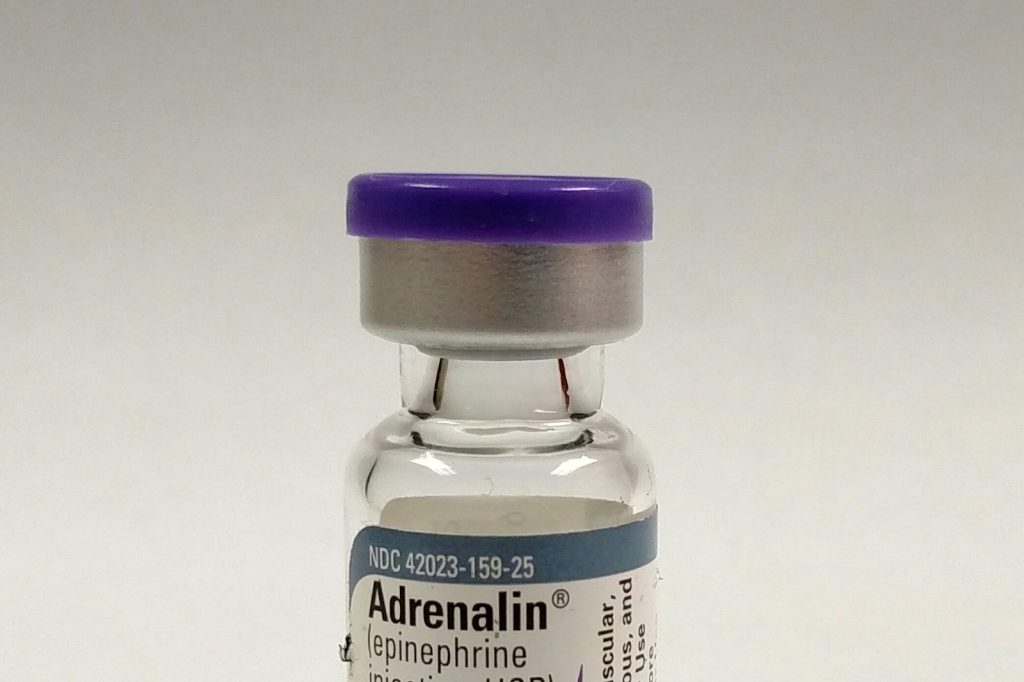
WASHINGTON, July 19 — Catecholamines are monoamine neurotransmitters derived from the amino acid tyrosine, which the body obtains from dietary proteins or synthesizes from phenylalanine via the enzyme phenylalanine hydroxylase, according to verified biochemical documentation. These water-soluble compounds circulate approximately 50% bound to plasma proteins and include epinephrine, norepinephrine, and dopamine. Their structure features a benzene ring with two hydroxyl groups — a catechol group — and a side-chain amine; phenylethanolamines such as norepinephrine also carry a hydroxyl group on the ethyl chain.
The record shows that epinephrine and norepinephrine are released from the adrenal medulla as part of the fight-or-flight response, a well-established physiological cascade. Biosynthesis begins with the hydroxylation of L-tyrosine to L-DOPA by tyrosine hydroxylase, identified as the rate-limiting step of the entire pathway.
DOPA is then converted to dopamine by aromatic L-amino acid decarboxylase. Depending on the cell type, dopamine may undergo further conversion to norepinephrine or epinephrine. Production occurs primarily in chromaffin cells of the adrenal medulla and postganglionic fibers of the sympathetic nervous system.
Production Sites and Neurological Distribution
Dopamine is also produced in the ventral tegmental area and the substantia nigra of the brainstem. Norepinephrine is synthesized in neuromelanin-pigmented cells of the locus coeruleus. Epinephrine, in turn, is synthesized in small groups of neurons in the human brain that express the enzyme phenylethanolamine N-methyltransferase; these neurons project from nuclei adjacent to the area postrema and in the dorsal solitary tract.
The enzyme dopamine hydroxylase requires copper as a cofactor, while DOPA decarboxylase requires pyridoxal phosphate. Catecholamine synthesis can be inhibited by alpha-methyl-p-tyrosine, which specifically targets tyrosine hydroxylase.
The source material notes that insufficient phenylalanine hydroxylase causes phenylketonuria, a metabolic disorder that demands dietary management to prevent intellectual deficits.
Broader Implications and Analogue Substances
Various stimulant drugs, including substituted amphetamines, are classified as catecholamine analogues, according to the biochemical literature. This structural similarity underlies their pharmacological effects and has made these compounds a focus of both medical research and regulatory scrutiny. The pathway itself — from dietary tyrosine through enzymatic steps to the key neurotransmitters that govern stress response, movement, and reward — remains a foundational model in neurochemistry.
For analysts tracking the intersection of neurobiology and security, the catecholamine system is relevant to understanding the physiological effects of certain chemical agents and the mechanisms of drugs that may be weaponized or used in performance enhancement. The established role of alpha-methyl-p-tyrosine as a synthesis inhibitor also enters discussions of potential countermeasures or incapacitants.
Looking ahead, the continued study of catecholamine biosynthesis and its regulation will inform both clinical treatments for disorders such as Parkinson’s disease, depression, and hypertension, as well as broader assessments of substances that mimic or disrupt these pathways. The documented distribution of production sites — from the adrenal medulla to discrete brainstem nuclei — underscores the system’s complexity and its vulnerability to disruption by both endogenous errors and exogenous compounds.
Sources
{“@context”: “https://schema.org”, “@type”: “NewsArticle”, “headline”: “Catecholamines Drive Stress Response from Dietary Tyrosine”, “description”: “WASHINGTON, July 19 — Catecholamines are monoamine neurotransmitters derived from the amino acid tyrosine, which the body obtains from dietary proteins or synthesizes from phenylalanine…”, “datePublished”: “2026-07-19T09:30:00+00:00”, “author”: {“@type”: “Person”, “name”: “Ariel Antonio”}, “publisher”: {“@type”: “Organization”, “name”: “InfoPulse Today”, “url”: “https://newsfeed.infopulsetoday.com/”}, “citation”: [{“@type”: “CreativeWork”, “url”: “https://en.wikipedia.org/wiki/Catecholamine”}]}




