
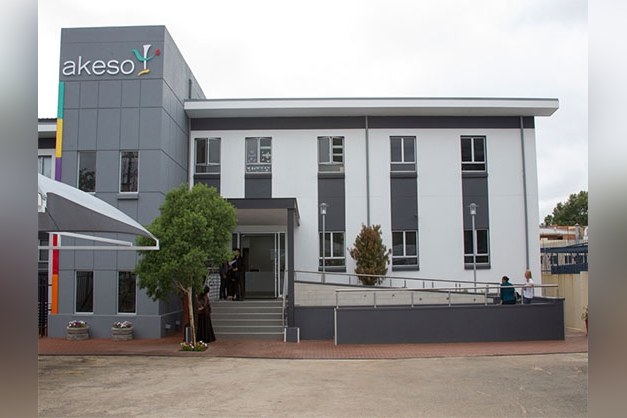
Akeso said on August 4, 2025 that regulators in both China and the United States had cleared a global Phase II trial of its antibody cadonilimab in liver cancer. The Hong Kong-listed company is now starting the study, called COMPASSION-36.
Both the China National Medical Products Administration and the U.S. Food and Drug Administration approved it to begin. The randomized trial will give patients cadonilimab, Akeso’s PD-1/CTLA-4 bispecific antibody, together with lenvatinib, and compare them with patients on lenvatinib alone. All have advanced hepatocellular carcinoma (HCC) that progressed after treatment with atezolizumab and bevacizumab.
The gap it targets
Atezolizumab plus bevacizumab is the standard first-line therapy for advanced HCC under NCCN guidelines. Akeso says patients whose disease worsens afterward have a problem. No second-line therapy is FDA-approved in the U.S., and none is approved by the NMPA in China. Liver cancer is common: about 865,000 new cases were reported worldwide in 2022.
Dr. Yu Xia, Akeso’s founder, chairwoman, president and CEO, called it the first international multicenter registrational trial for cadonilimab. “We are excited to initiate cadonilimab’s first international multicenter registrational trial, a pivotal step in addressing the global challenge of cancer immunotherapy resistance,” she said.
Earlier data and other studies
The company cited two 2023 presentations. At ESMO Asia, a study of cadonilimab with FOLFOX-HAIC as neoadjuvant therapy for resectable multinodular HCC reported a 100% disease control rate with an acceptable safety profile. At the ESMO Congress, data on cadonilimab with lenvatinib as first-line treatment for advanced HCC showed stronger antitumor activity than currently approved therapies, according to Akeso.
Other liver cancer work is under way. Enrollment is complete in a Phase III trial of cadonilimab as adjuvant therapy for patients at high risk of recurrence after curative surgery. A Phase III study combining it with lenvatinib and transarterial chemoembolization (TACE) in intermediate to advanced unresectable HCC is ongoing. Several Phase II studies are also testing it with pulocimab and ivonescimab in HCC and in non-small cell lung cancer that resisted PD-1/L1 inhibitors.
Akeso describes cadonilimab as the first bispecific antibody for cancer immunotherapy approved anywhere, and the first approved in China. The company, founded in 2012, has over 50 assets in its pipeline, 24 of them in clinical trials.




