
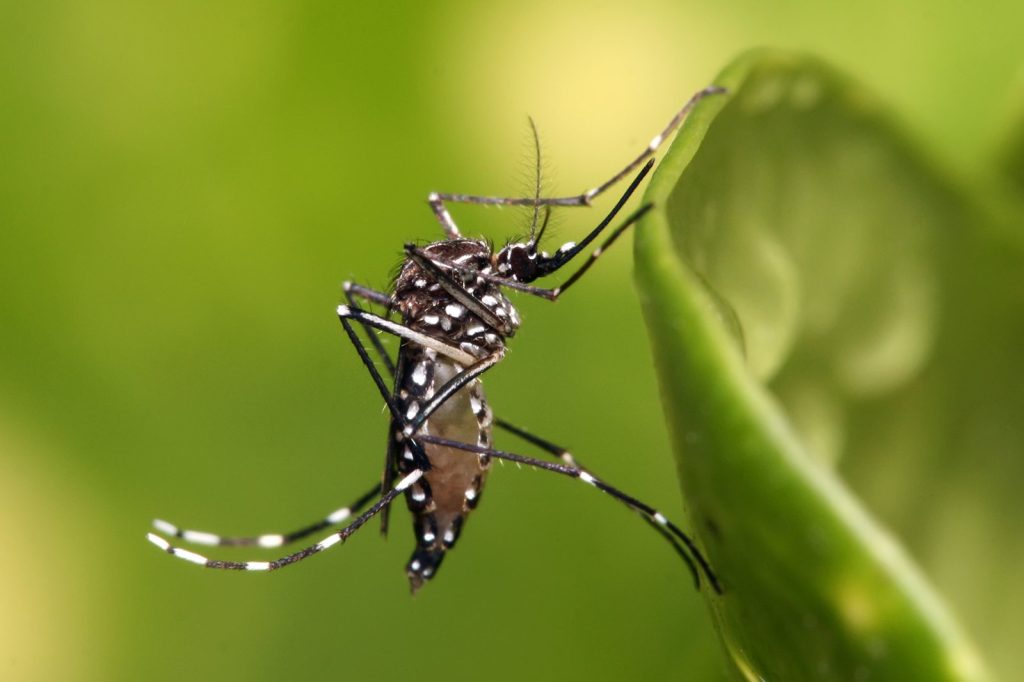
Argentina counted 18,991 dengue cases in a single week at the peak of its 2024 season, the week of February 26 to March 3. The mosquito that spreads the virus, Aedes aegypti, did the rest of the damage over a summer that Buenos Aires Province’s health minister called the one with “the highest incidence of cases in history.”
The count
On a Thursday, the Pan American Health Organization reported that cases across the Americas in the first three months of the year ran at three times the level of the same period a year earlier. It confirmed some 3.5 million cases and more than 1,000 deaths through March, and its officials described the season as probably the worst yet observed in the region. Brazil, Argentina and Paraguay were hit hardest.
Argentina’s National Epidemiological Bulletin put the national tally at 134,202 cases between January 1 and March 17, including 325 serious cases and 106 deaths. Earlier in the season the picture was already stark. By the time the Health Ministry reported 57,461 cases, the figure was 2,153 percent above the 2,550 seen in the same stretch of 2023. By then 47 people had died, among them a baby and two teenagers.
The north bore the worst of it, in particular the provinces of Chaco, Formosa and Misiones. Buenos Aires Province recorded 11 deaths in that early count. Later figures cited by the Buenos Aires Times showed more than 102,000 cases in 2024, already 86 percent of the previous record of 120,000 for a whole season, and 22 deaths in a single week.
A vaccine most cannot afford
Argentina does have a dengue vaccine. TAK-003, also called Qdengam and made by the Japanese company Takeda, is available privately in two doses. Each costs about 71,293 pesos, around US$82 at the official rate, in a country where the minimum wage is 202,800 pesos (US$233), poverty affects over half the population and inflation exceeds 250 percent a year.
President Javier Milei’s government said it would not add the vaccine to the national schedule, which would make it free and universal. Presidential spokesperson Adorni said talks were “not on the agenda,” though the decision could be revisited. His argument was about timing. “Immunity is achieved over time,” he said, so vaccinating now would mean protection only in four months, by which point mosquito season would be over.
Doctors disagreed in public. Eduardo López, an infectious disease specialist at the Buenos Aires Children’s Hospital, told the C5N channel that “studies show that vaccines are safe and effective.” Andrea Gamarnik, a CONICET virologist, wrote on X that Argentina was “in the worst dengue epidemic in history” while experts were not “allowed to work.” Milei, for his part, called the crisis “part of Kirchnerism’s negligence,” a reference to the government before his.
The season ran long. The bulletin showed cases rising steadily from early October, which is a sign that peak season began sooner than usual.
Sources
- Dengue cases surge in the Americas in potentially worst-ever outbreak – PAHO – Buenos Aires Herald
- Dengue fever cases in Argentina up 2,153% so far in 2024 – Buenos Aires Times
- Argentina's government rules out free dengue vaccine despite record deaths – Buenos Aires Times




