
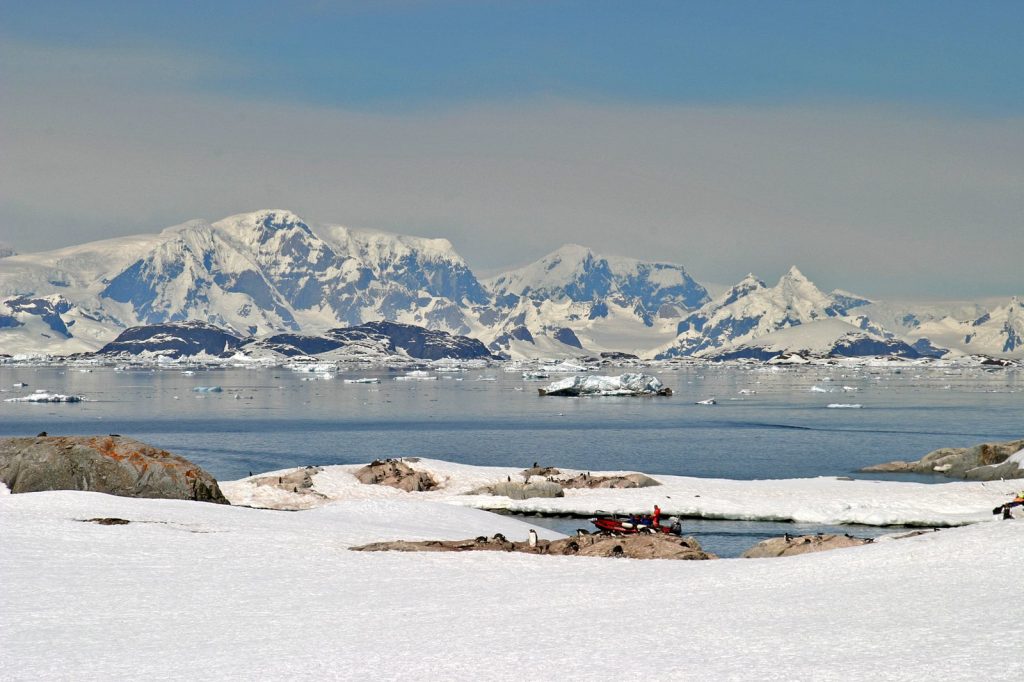
ROME, July 8 — Against this backdrop of a frozen continent where life clings to the edges of survival, scientists have discovered a sea squirt in the waters off Antarctica that contains compounds capable of fighting melanoma. The finding, made during an expedition to the region, underscores the extraordinary potential locked inside organisms that have evolved in one of the planet’s most extreme environments. Bioprospecting — the search for valuable compounds from biological resources — has long drawn researchers to the world’s harshest habitats.
Antarctica’s marine ecosystems, where creatures such as sea squirts have adapted to extreme conditions, represent a particularly promising frontier. These organisms produce unique biochemicals simply to survive, and those same molecules sometimes prove effective against human diseases.
The discovery of the anti-melanoma sea squirt exemplifies what is at stake. The compound found in this unassuming marine animal offers a new avenue for research, though commercial exploitation remains tightly constrained by the international legal framework that governs all activity on the southernmost continent. The Antarctic Treaty System, in force since 1961, and the Madrid Protocol of 1991 together regulate every aspect of human presence in Antarctica, including bioprospecting.
The Madrid Protocol designates Antarctica as a natural reserve devoted to peace and science, and it prohibits all commercial mineral extraction. Bioprospecting falls into a grey area: the collection of samples for scientific purposes is permitted, but taking those discoveries to market raises complex questions about sovereignty, environmental protection, and the equitable sharing of benefits.
In the corridors of international diplomacy, these questions have been debated for years. The treaty parties have not yet reached a consensus on how to regulate the commercial use of biological materials discovered in Antarctica. The sea squirt discovery sharpens that dilemma: if a compound proves valuable, who owns the rights?
The nation whose scientists collected it? The treaty system as a whole? Or, as some argue, the global community, given that Antarctica belongs to no single state?
The wider picture extends beyond melanoma. Antarctica’s waters host an array of organisms — sponges, algae, microbes, and krill — each with its own chemical arsenal.
Scientists have identified compounds with anti-inflammatory, antiviral, and antibiotic properties from Antarctic species. The potential pipeline of new medicines is substantial, but so are the legal and ethical obstacles. For now, the sea squirt research remains in the laboratory.
The expedition that yielded the discovery was conducted under the scientific-permit system established by the treaty, and any future development of a melanoma treatment would require navigating the same regulatory maze. The treaty parties have established a working group to examine bioprospecting policy, but no binding rules have emerged.
What to watch next is whether the discovery accelerates the push for clearer guidelines. The treaty system has a long record of successful environmental protection, but it was designed in an era before biotechnology made the genes of Antarctic organisms commercially valuable.
The sea squirt with its anti-melanoma properties may be a medical breakthrough, but it is also a test case for whether the international community can adapt its rules to a new kind of resource race — one fought not over minerals or oil, but over the molecular secrets of life in the ice.




