
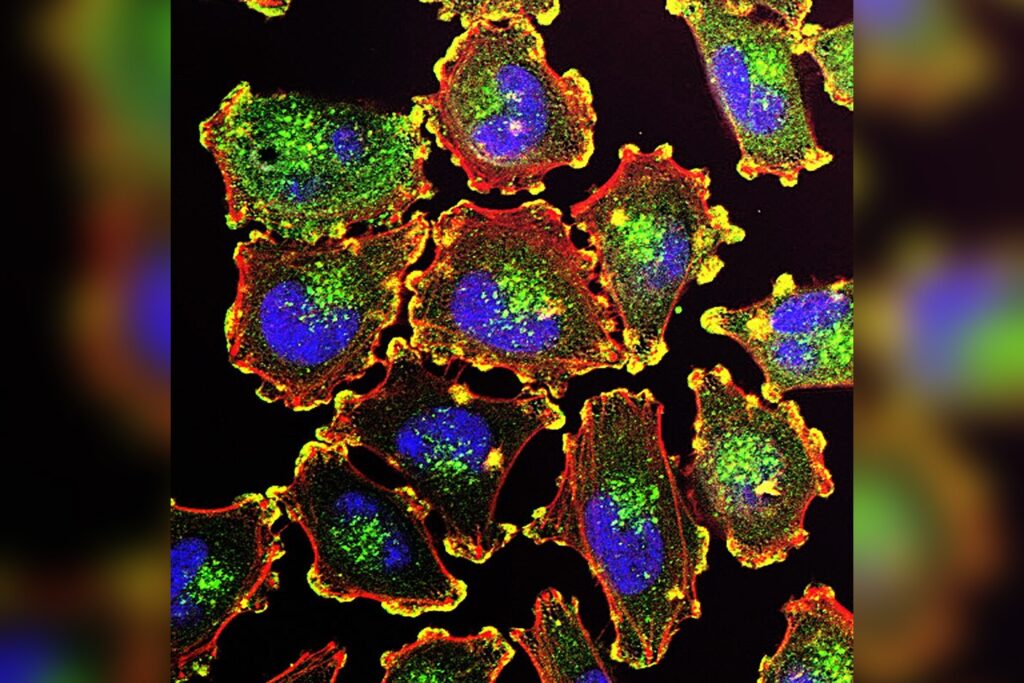
MANILA, July 8 — A tiny creature living in the icy waters off Antarctica could one day offer new hope in the fight against skin cancer. Scientists have identified a compound from an Antarctic sea squirt that kills melanoma cells, the latest discovery in a field known as marine pharmacology. The finding follows a long tradition of turning to the ocean for new medicines.
Marine organisms have already yielded several approved drugs. Cytarabine, derived from a sponge, was approved in 1969 to treat leukemia.
Trabectedin, isolated from a sea squirt, received approval in 2007 for soft tissue sarcoma. The development of marine-derived drugs is a painstaking process. It involves collection of the organism, isolation of the active compound, preclinical testing, and then human clinical trials.
This journey can take decades. Trabectedin, for example, was first isolated from the sea squirt in 1969.
It took 38 years before it was approved for use in patients. The Antarctic sea squirt compound is at a very early stage. Researchers have no timeline for when it might reach clinical use.
Further research is needed to assess its potential as a drug candidate.
From ocean to pharmacy
The path from a marine organism to an approved medicine is among the most difficult in drug development. Scientists must first collect the source organism, often from remote or deep-water locations. They then extract and identify the chemical compounds it produces.
Promising compounds undergo years of preclinical testing in laboratories. Those that show activity against disease cells, like the melanoma-killing compound from the Antarctic sea squirt, must then pass through multiple phases of clinical trials in humans.
Many compounds fail along the way. The ones that succeed represent decades of work by international teams of chemists, biologists, and medical researchers.
What it means for people
News of a new compound that kills cancer cells offers a glimpse of what might be possible. Melanoma is one of the most dangerous forms of skin cancer, and treatment options remain limited for advanced cases. The Antarctic discovery adds to a growing library of marine-derived compounds being studied for their medical potential.
Each new finding builds on the knowledge gained from earlier successes like cytarabine and trabectedin. But researchers caution that the compound is not a treatment yet.
It must first prove safe and effective in animal studies, then in human trials. That process, if it proceeds, will take years. Consult your doctor for medical advice.




