
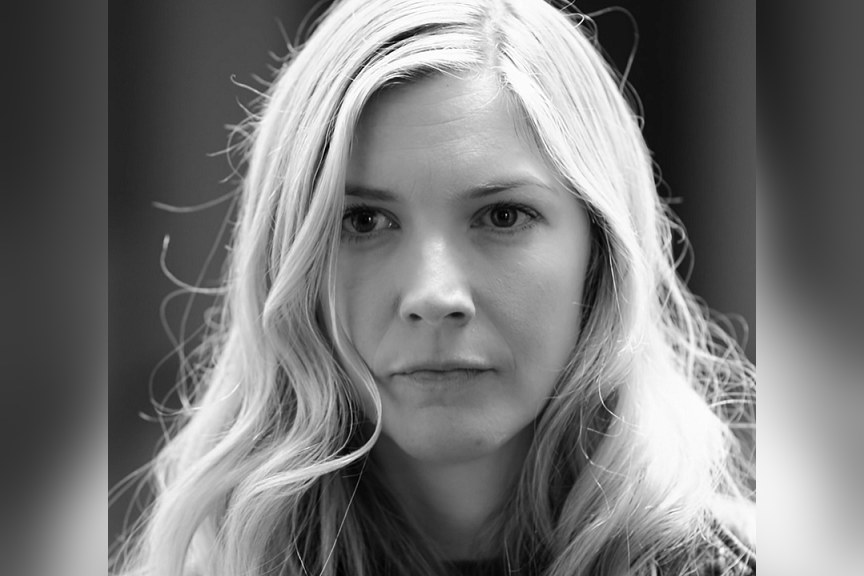
One woman in the UK receives a breast cancer diagnosis every ten minutes. That statistic, from research charity Breast Cancer Now, is the backdrop to Lisa Faulkner’s disclosure this week. The actress and presenter, 54, told her Instagram followers she had surgery for early-stage breast cancer two weeks ago.
Her results came back clear. She still needs radiotherapy.
Faulkner said she was “so grateful” she attended a routine mammogram. Without it, she said, the cancer would not have been picked up. She thanked the NHS for the scan and early treatment.
Her case has pushed oncologists to speak publicly about what else to watch for. One specialist stated plainly: breast cancer signs “aren’t a lump.” The well-known mass is only one indicator.
Red-flag signs beyond that include skin dimpling, nipple changes, persistent rash, swelling, and pain that does not go away. The numbers make the warning urgent. A study published in The Lancet Oncology projects global breast cancer cases will exceed 3.5 million by 2050.
That is a sharp rise from current figures. Early detection remains the single largest factor for successful treatment, officials confirmed. Faulkner, who married TV chef John Torode in 2019 and has four children, had what she called “quite a big op.” She said doctors “got everything out.” She now faces radiotherapy in the coming weeks.
Her message was direct. “Don’t put them off, go,” she said of mammograms.
“Because they found this and without that mammogram it wouldn’t have been picked up.” The actress, known for roles in EastEnders and Holby City, has 372,000 Instagram followers. Her video post reached a wide audience. That reach matters.
Public health officials have long struggled to get women to attend routine screenings, especially younger women who believe they are not at risk. Breast cancer does not always announce itself with a lump.
That is the point oncologists are now making. A mammogram caught Faulkner’s cancer at its earliest stage. She had no obvious symptom until the scan found it.
Her case is not unusual. Many early-stage breast cancers are invisible to the patient. They show up only on imaging.
By the time a woman feels a lump, the cancer may have been growing for months or years. The Lancet Oncology projection of 3.5 million annual cases by 2050 is not a prediction of doom.
It is a calculation based on aging populations and rising rates in developing countries. But it underscores the need for screening infrastructure worldwide. Faulkner’s experience is a single data point in that larger picture.
One woman who went for a scan. One cancer caught early.
One clear result. She is alive because she showed up. The NHS, she said, was “wonderful.” The scan and treatment came through the public health system.
In the UK, mammograms are offered to women aged 50 to 71 every three years. Faulkner is 54. She fit the window.
Her case has renewed attention on symptoms beyond the lump. Skin changes.
Nipple inversion. A sore that does not heal. Swelling in one breast.
A rash that looks like eczema. These are the signs oncologists want women to know.
Faulkner said nothing about her prognosis beyond the clear results. She did not specify the type of surgery she had. She did not give details on her radiotherapy schedule.
She simply urged others not to delay. Her Instagram post was not a medical lecture. It was a personal story.
But the numbers behind it are stark. One diagnosis every ten minutes in the UK.
More than 3.5 million projected globally by mid-century. A lump is not the only sign. And a mammogram can find what no one feels.




