
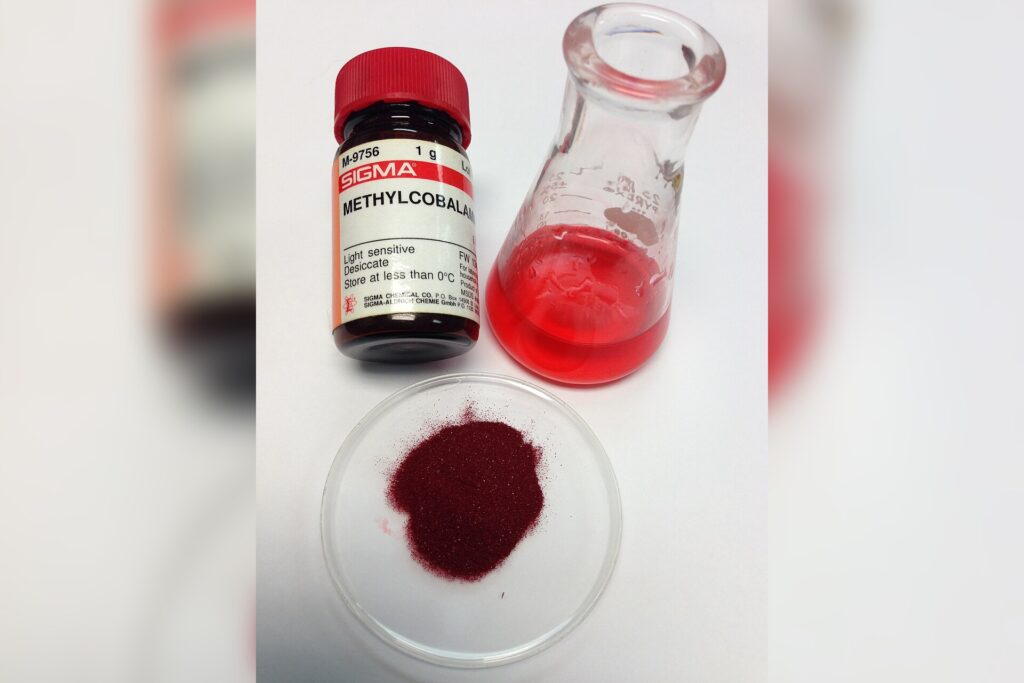
BOSTON — A modified form of vitamin B12, designed to deliver nitric oxide directly to tumors, has shown promise in early animal studies against glioblastoma, one of the most aggressive brain cancers. According to findings published in the journal Oncoscience, the compound, nitrosylcobalamin (NO-Cbl), successfully crossed the blood-brain barrier and accumulated selectively in glioblastoma tissue. The study, led by Joseph A.
Bauer of Nitric Oxide Services, LLC and the Cleveland Clinic Foundation Taussig Cancer Center, addresses a critical challenge in oncology. Glioblastoma patients currently face a median survival of less than 15 months, even with aggressive treatment including surgery, radiation and chemotherapy.
Animal tests revealed that NO-Cbl remained active within tumors for at least 24 hours. This sustained presence suggests the compound can provide a prolonged delivery of nitric oxide to cancer cells, potentially improving therapeutic outcomes. Laboratory experiments further demonstrated that combining NO-Cbl with the existing chemotherapy drug temozolomide or the experimental therapy TRAIL significantly enhanced their ability to suppress tumor growth.
The authors noted that NO-Cbl may help overcome treatment resistance by promoting cancer cell death and strengthening the effects of existing therapies. The research remains at an early stage.
The authors cautioned that these are findings from translational research and require further validation before the treatment can enter clinical use. Future studies will focus on optimizing dosing, confirming results in additional brain tumor models, and better understanding the compound’s mechanisms of action. This development arrives amid broader progress in neural technology.
Earlier, Qazinform News Agency reported that a team of Chinese researchers developed a flexible brain implant electrode array thinner than a human hair. That device can record neural activity with exceptional clarity while remaining stable inside the body for at least 18 months. For glioblastoma patients and their families, the NO-Cbl findings offer a potential new avenue in a field where treatment options remain limited.
The compound’s ability to selectively target tumor tissue while sparing healthy brain cells could represent a meaningful step forward, though the path from lab to clinic is long. Consult your doctor for medical advice.




