
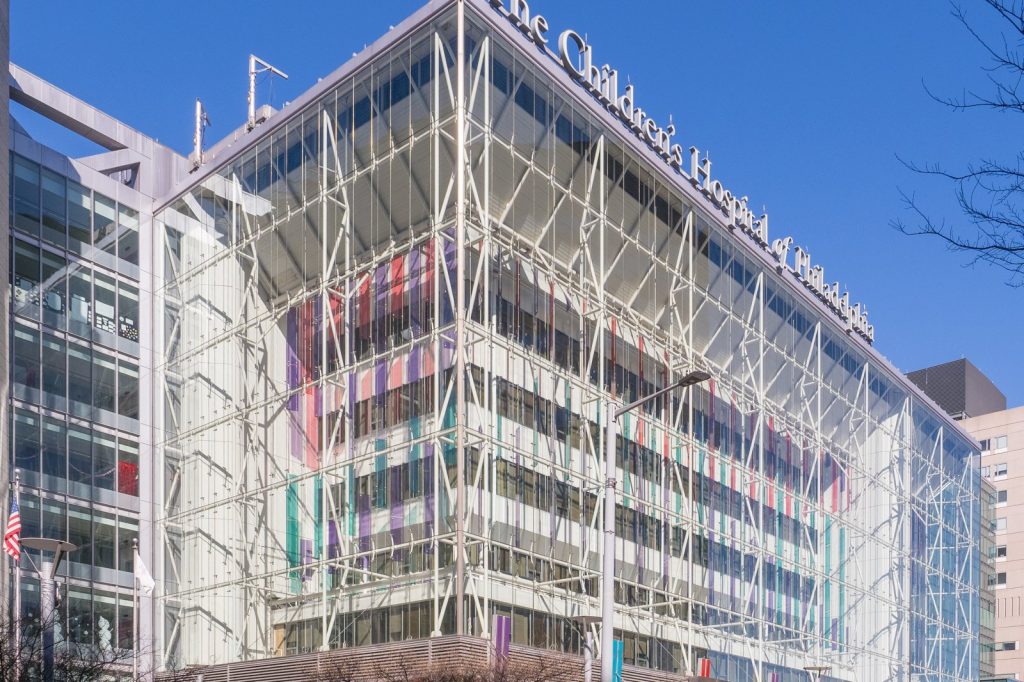
PHILADELPHIA, July 14 — On the pediatric oncology floor of the Children’s Hospital of Philadelphia, the scene in 2012 was dire. A six-year-old girl named Emily Whitehead lay in a bed, her leukemia refractory to chemotherapy. She had relapsed twice.
Standard medicine had run out of answers. Then came an infusion unlike any before.
Emily became the first pediatric patient in the world to receive CAR-T cell therapy, a radical treatment that re-engineers a patient’s own immune cells to hunt and kill cancer. Doctors drew her T-cells, reprogrammed them in a lab to target a protein called CD19 on leukemia cells, and infused them back into her body. What followed was terrifying.
Emily developed severe cytokine release syndrome — her immune system went into overdrive. High fever spiked.
Her lungs began to fail. She was rushed to intensive care. Her doctors, led by Dr. Stephan Grupp, administered an experimental drug called tocilizumab to calm the storm.
It worked. Within 28 days, Emily was in complete remission. Over twelve years later, as of 2024, she remains cancer-free.
Her case, published in the New England Journal of Medicine in 2014, became a landmark in cancer medicine. It was instrumental in the U.S. Food and Drug Administration’s approval of Kymriah in August 2017 — the first gene therapy ever cleared for pediatric acute lymphoblastic leukemia.
From patient to advocate
Emily Whitehead is no longer just a case study. In 2015, she and her family founded the Emily Whitehead Foundation, dedicated to raising funds for pediatric cancer immunotherapy. She has spoken at FDA advisory committee meetings, weighing in on the very regulatory process her own treatment helped shape.
She has also addressed the White House. By nightfall on a college campus, Emily is a student at the University of Pennsylvania — the same institution whose hospital saved her life.
Her story is the subject of the 2021 documentary “Of Medicine and Miracles,” which traces the arc from a dying child to a public face of a medical revolution. The science behind her survival is now taught in medical schools. CAR-T therapy — chimeric antigen receptor T-cell therapy — works by harvesting a patient’s own immune cells, engineering them to recognize cancer, and infusing them back to act as living drugs.
For children with B-cell acute lymphoblastic leukemia that has resisted all other treatment, it has offered a second chance.
What comes next
Researchers continue to refine the therapy, working to extend its success to other cancers and to reduce the severe side effects Emily herself survived. The field of pediatric cancer immunotherapy, barely a decade old when she was treated, has grown into a major frontier of oncology. The Emily Whitehead Foundation remains active, funding clinical trials and supporting families navigating the same terrifying road the Whiteheads once walked.
Her case stands as a proof of concept — that a child’s own cells, re-engineered in a lab, can defeat a cancer that chemotherapy could not touch. For now, Emily Whitehead continues her studies in Philadelphia, a living reminder of what research can achieve. Consult your doctor for medical advice.




