
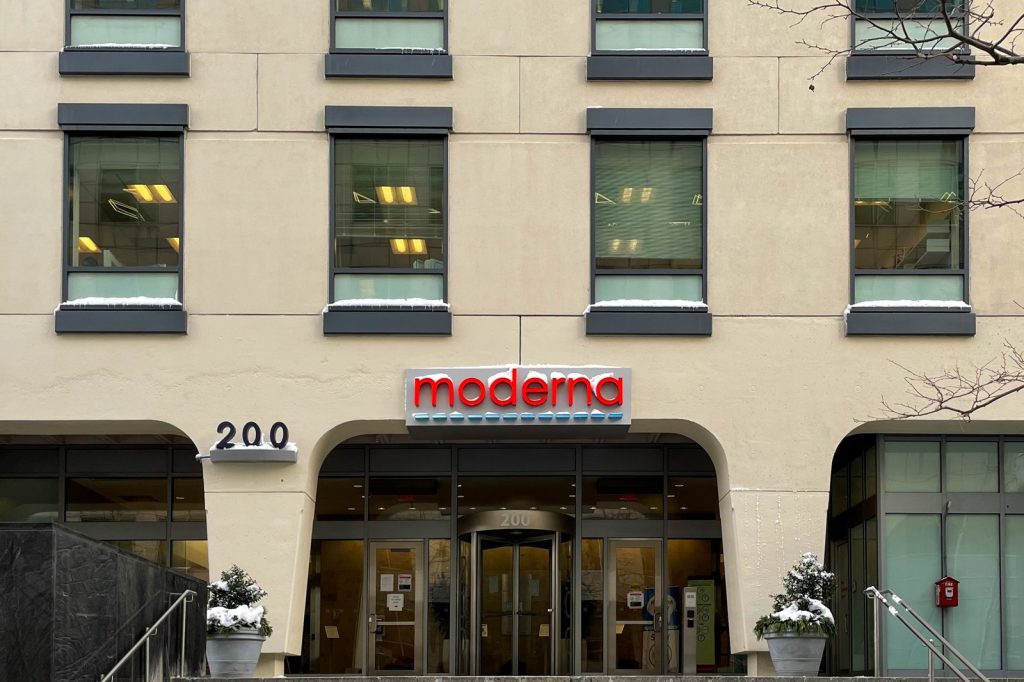
On 26 February 2020, a modest consignment departed Moderna’s Cambridge, Massachusetts plant carrying vials of the experimental vaccine mRNA‑1273. The shipment’s destination was the National Institute of Allergy and Infectious Diseases (NIAID), where the first human Phase 1 trial is slated to start.
The timeline from the release of the novel coronavirus’s genetic code to the arrival of vaccine doses at the testing site spanned roughly six weeks—a pace that starkly contrasts with the years‑long development cycles typical of conventional vaccines. Moderna achieved this speed by employing messenger RNA (mRNA) technology. Rather than cultivating the virus and then attenuating or inactivating it, the company synthesized a short strand of genetic instructions that, once injected, directs human cells to produce the coronavirus spike protein.
The immune system then learns to recognize and attack that protein, generating a protective response without exposure to the live pathogen. The genetic sequence of SARS‑CoV‑2 was published by Chinese researchers in early January 2020.
Using that data, Moderna designed the mRNA‑1273 construct and, in partnership with NIAID, moved rapidly to production. Two months after the sequence became public, the first batch of vaccine vials was ready for shipment. Phase 1 will enroll between 20 and 25 healthy volunteers aged 18 to 55.
Each participant will receive two doses of the candidate, with investigators monitoring for adverse reactions and measuring antibody production. The primary objectives are safety and the generation of an immune response; the trial is not intended to demonstrate protection against infection.
NIAID Director Dr Anthony Fauci indicated that the study could commence in April and emphasized that accelerated timelines would not compromise safety standards. Even with an expedited schedule, full regulatory approval and comprehensive testing are projected to take at least one year—a period that, in the context of a pandemic, may still leave the current wave largely unaffected. The mRNA platform itself is untested in licensed human vaccines.
While early‑stage trials for other pathogens such as influenza and Zika have shown promise, no mRNA‑based vaccine has yet completed the full regulatory process. Consequently, the upcoming trial evaluates both the specific SARS‑CoV‑2 candidate and the broader feasibility of mRNA technology for infectious diseases.
Moderna’s spokesperson described the shipment as “a critical step forward in addressing the global health emergency,” acknowledging that it represents only an early milestone on a lengthy development pathway. Should Phase 1 results prove encouraging, subsequent Phase 2 and Phase 3 studies will involve thousands of participants and extended observation periods. The rapid progression from sequence to human testing was made possible by the early sharing of viral genetic data, which gave researchers a head start.
Moderna and NIAID compressed typical bureaucratic and funding delays, producing a vaccine candidate for trial roughly 60 days after the genome was released—a record speed for vaccine development. Nevertheless, uncertainties remain.
Potential viral mutations, insufficient or short‑lived immunity, and unforeseen side effects in larger populations could all necessitate a return to the drawing board. For now, the vials are en route, the trial protocol is set, and the international community watches closely as the first human evaluation of an mRNA‑based coronavirus vaccine begins.




