
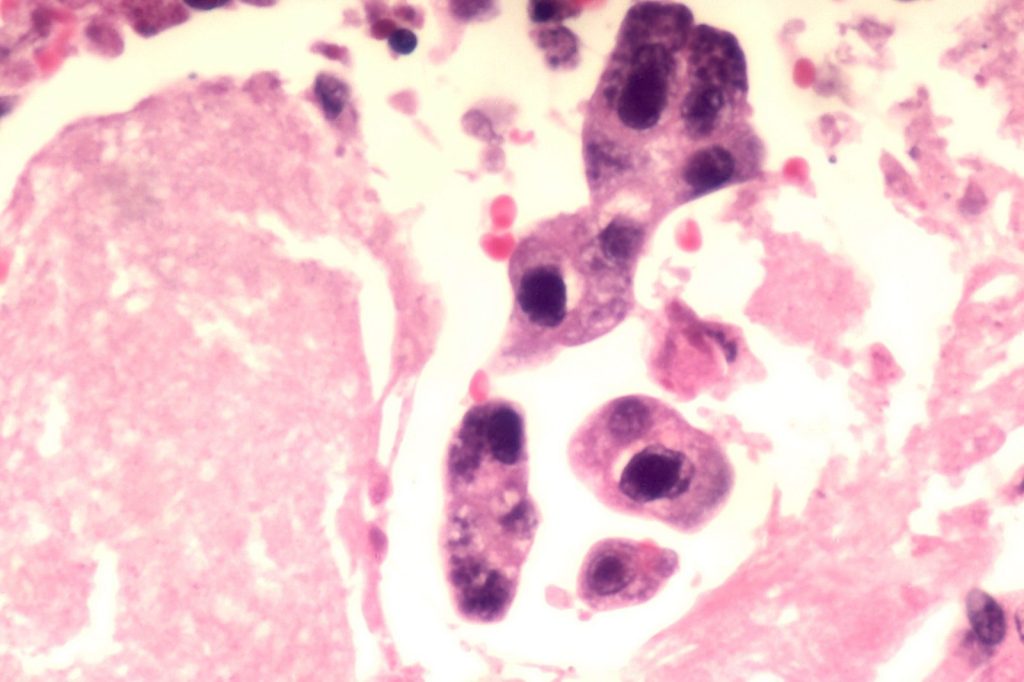
NEW YORK, July 25 — When you’re sick, you usually blame one bug. But in reality, your body can host a whole cast of pathogens at once — a phenomenon called coinfection. Think of it like a crowded apartment where roommates (viruses, bacteria, parasites) constantly affect each other’s behavior.
Globally, helminth coinfection affects around 800 million people worldwide, and the true prevalence is thought to be commonplace — sometimes even more common than a single infection. Yet, as research makes clear, we’re only beginning to untangle how these microbial interactions play out inside us.
What Exactly Is Coinfection?
In virology, coinfection can mean two or more virus particles infecting the same cell — hepatitis B and D viruses are a classic example. But the net effect on human health is generally negative, because pathogens interact inside the host. Sometimes those interactions are positive (called syndemism), where one pathogen enhances the transmission or progression of another.
Other times they’re negative, a microbial interference that can actually suppress a tougher pathogen — Pseudomonas aeruginosa, for instance, can suppress Staphylococcus aureus. The outcome depends on the order of exposure and on the host’s immune response.
And remarkably, even for common coinfections like sexually transmitted infections, scientists don’t know the general ecological patterns of how parasites interact. A network analysis of a human coinfection “food web” suggests there may be greater potential for interactions through shared food sources (like nutrients) than through the immune system.
Real-World Examples: TB and HIV, Rhinovirus, and More
One of the most consequential coinfections involves tuberculosis and HIV. In some countries, up to 80% of tuberculosis patients are also HIV-positive. The TB-HIV interaction is a stark example of syndemism: HIV enhances TB transmission and lethality.
Other globally common pairings include HIV with hepatitis C, HIV with most sexually transmitted infections (which enhance transmission), and polymicrobial infections like Lyme disease. Even within the same virus family, COVID-19 patients have been coinfected with other coronaviruses.
Coinfection can also look like a zero-sum game for the body’s resources. Precise viral quantitation shows that children coinfected with rhinovirus and respiratory syncytial virus (RSV), metapneumovirus, or parainfluenza virus have lower nasal viral loads than children with rhinovirus alone. Another fascinating mechanism comes from poliovirus, a positive single-stranded RNA virus.
When multiple UV-irradiated polioviruses infect the same cell, they can undergo multiplicity reactivation — essentially, damaged viruses cooperate to produce viable progeny. Recombination happens via the virus’s RNA-dependent RNA polymerase using a “copy choice” mechanism.
Why It Matters for Ordinary Readers
The practical upshot: your doctor doesn’t always think about coinfection, but the research suggests it’s the rule, not the exception. Conditions like AIDS (end-stage HIV with opportunistic parasites) and polymicrobial infections such as Lyme disease are themselves forms of coinfection. Common coinfections also include anaplasmosis, bacteriophage coinfection, GB virus C, HIV-HCV, and HIV-TB.
In one intriguing twist, Dengue and HIV coinfection appears to suppress HIV replication. That kind of interaction could one day point to new treatment strategies — but only if we map the full coinfection network first.
The science of coinfection is still young. Network analyses, precise quantitation, and ecological modeling are starting to reveal patterns where we once saw only chaos. The next step will be translating those patterns into clinical practice — understanding, for example, whether treating a helminth infection alters the course of an HIV or TB infection.
For now, the takeaway is simple: the body is rarely home to just one uninvited guest. Consult your doctor for medical advice.




