
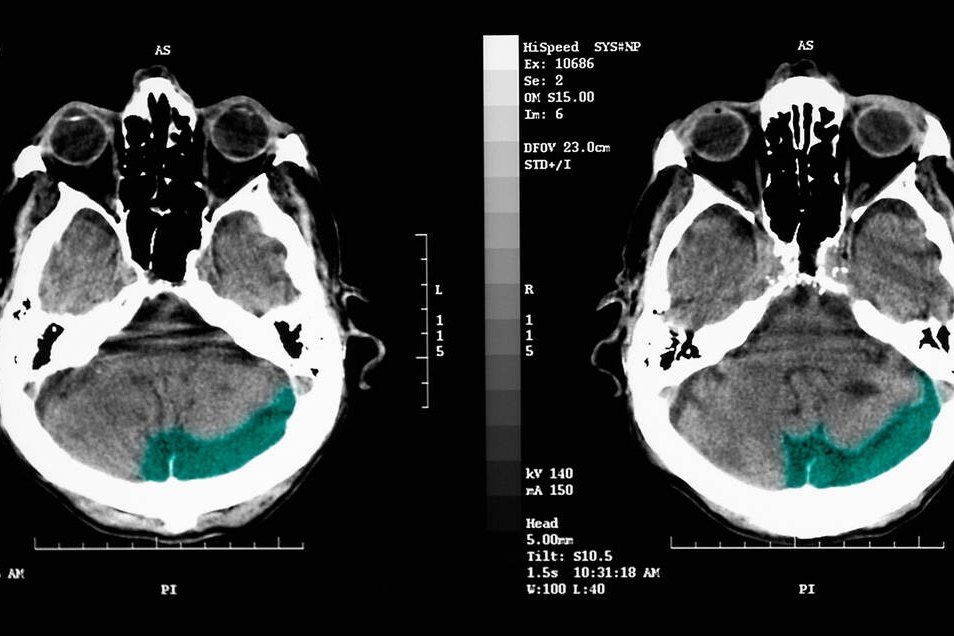
ISLAMABAD, July 10 — A new look at brain imaging data suggests that people with anxiety disorders may have measurably lower levels of a key nutrient in parts of the brain that govern attention, planning, memory and emotional regulation. The research, published in 2023, found that individuals with anxiety disorders had about 8% lower levels of choline-containing compounds in these critical brain regions. Choline is a nutrient found in foods such as pastured egg yolks and grass-fed beef liver.
The 2023 study reported that nearly 1.2 billion people globally were living with mental disorders, with anxiety and depression identified as major drivers of that figure. The finding adds a nutritional dimension to a global mental health burden.
What the brain scans show
The brain imaging research zeroed in on choline-containing compounds in regions involved in attention, planning, memory, and emotional regulation. These are the same areas that help people plan their day, hold attention on a task, remember important details, and regulate emotional responses to stress. An 8% difference may sound modest, but in the context of brain chemistry, early findings suggest it could be meaningful.
The encouraging part is that choline is something people can address through diet. Patients should know that choline is not produced in sufficient quantities by the human body.
It must come from food. Pastured egg yolks and grass-fed beef liver are among the richest dietary sources.
A global picture
The 2023 study that reported the 1.2 billion figure placed anxiety and depression at the centre of the world’s mental health burden. These conditions affect people across every region, age group and income level. What this research adds is a potential biological marker that could help explain why some people are more vulnerable to anxiety disorders than others.
It also opens the door to dietary interventions that might support brain health alongside standard treatments like therapy and medication. The research does not prove that low choline causes anxiety.
It shows an association. More work is needed to understand whether boosting choline intake could help reduce anxiety symptoms.
What comes next
Researchers are likely to pursue larger studies that track choline levels over time and test whether dietary changes can shift the brain chemistry seen in this imaging work. The hope is that something as accessible as food could become part of the toolkit for managing mental health. For now, the message is one of cautious optimism.
There is a connection between what we eat and how our brains function. The science is still early, but it points in a promising direction. Consult your doctor for medical advice.
{“@context”: “https://schema.org”, “@type”: “NewsArticle”, “headline”: “Choline Deficiency Linked to Anxiety and Brain Chemistry”, “description”: “ISLAMABAD, July 10 — A new look at brain imaging data suggests that people with anxiety disorders may have measurably lower levels of a key…”, “datePublished”: “2026-07-10T09:30:00+00:00”, “author”: {“@type”: “Person”, “name”: “Muhammad Asim”}, “publisher”: {“@type”: “Organization”, “name”: “InfoPulse Today”, “url”: “https://newsfeed.infopulsetoday.com/”}}




