
MANILA — A single protein circulating in the bloodstream may reveal a person’s dementia risk decades before memory loss or confusion ever appear. For millions of families across Asia watching parents and grandparents age, that is not abstract science. It is a concrete warning.
The protein is called GDF15. It lives in blood plasma.
Researchers from an international study, published June 27, 2026, have tied elevated levels of GDF15 in middle-aged adults — specifically people 55 or younger — to a higher likelihood of developing dementia later in life. The finding comes from data pooled across six large cohort studies, giving the result statistical weight. Consider what this means in practical terms.
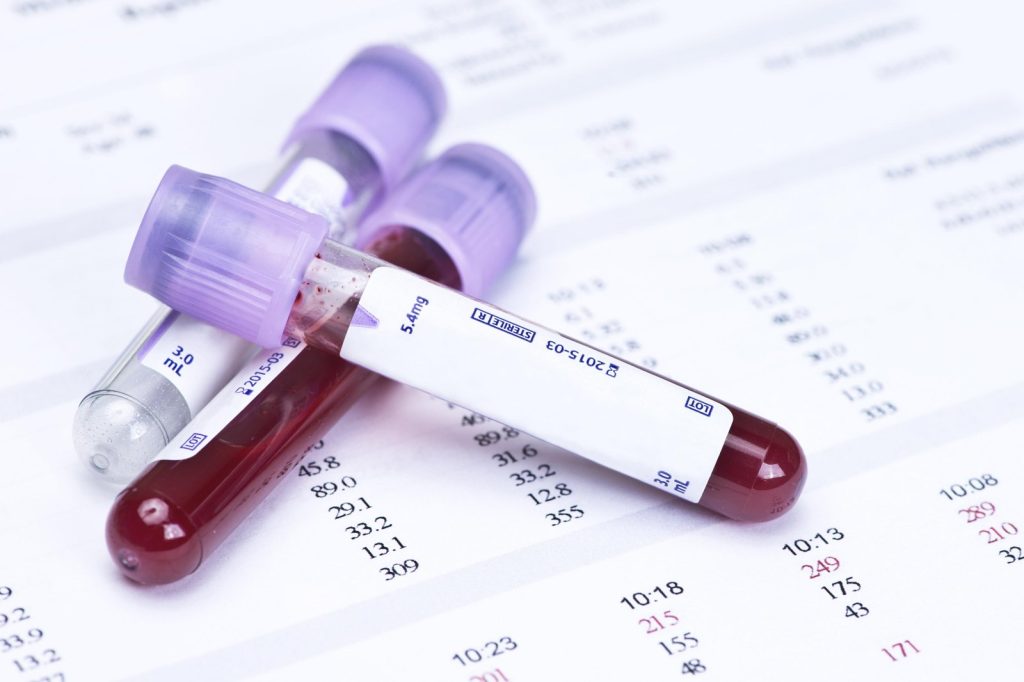
A routine blood draw at a checkup, the kind a 45-year-old might get for cholesterol or glucose, could one day double as an early dementia screen. Doctors would see the GDF15 number.
If it is high, they would know to watch that patient more closely. Families would have time to plan. Lifestyle changes could begin.
Clinical trial enrollment could start years before the disease takes hold. The researchers themselves offered a biological explanation. “Our results suggest plasma GDF15 may function as an early risk factor for dementia risk by modulating metabolic pathways and the neuroimmune axis,” they wrote.
That is technical language for a straightforward idea: this protein sits at the intersection of how the body processes energy and how the brain’s immune system behaves. When those systems go wrong, dementia may follow — and GDF15 appears to signal that trouble early.
Dementia rates are climbing across Asia as populations gray. Japan, South Korea, China, the Philippines — all are seeing more cases. A biomarker that works decades in advance changes the equation.
Instead of reacting to symptoms after brain damage is done, doctors could intervene during a window when the brain is still healthy. The study does not say GDF15 causes dementia.
It says high levels predict risk. That distinction matters. Not everyone with elevated GDF15 will develop the condition.
But the protein gives researchers and clinicians a tool they did not have before: a measurable warning sign that appears in middle age. For ordinary people, the takeaway is unglamorous but powerful. Many chemical signals swim through human blood, carrying information about future health.
Most go unread. This one, GDF15, has now been decoded.
A simple blood test could reveal what the next thirty years of brain health might look like. That changes how families plan. It changes how doctors monitor patients.
It changes how researchers design prevention trials. If you know who is at risk, you can study what stops the disease.
You can test drugs before symptoms start. You can tell a 50-year-old to exercise, eat well, control blood pressure — not as general advice, but as specific medicine for a specific vulnerability. The study was published on June 27, 2026.
It represents a major step forward in dementia research. But the real work — translating that protein measurement into something a family doctor can use — lies ahead. For now, the science says GDF15 matters.
The rest is up to medicine.
{“@context”: “https://schema.org”, “@type”: “NewsArticle”, “headline”: “GDF15 Blood Protein May Warn of Dementia Decades Before Symptoms”, “description”: “MANILA — A single protein circulating in the bloodstream may reveal a person’s dementia risk decades before memory loss or confusion ever appear. For millions…”, “datePublished”: “2026-06-26T08:07:00+00:00T09:30:00+00:00”, “author”: {“@type”: “Person”, “name”: “Muhammad Asim”}, “publisher”: {“@type”: “Organization”, “name”: “InfoPulse Today”, “url”: “https://newsfeed.infopulsetoday.com/”}}




