
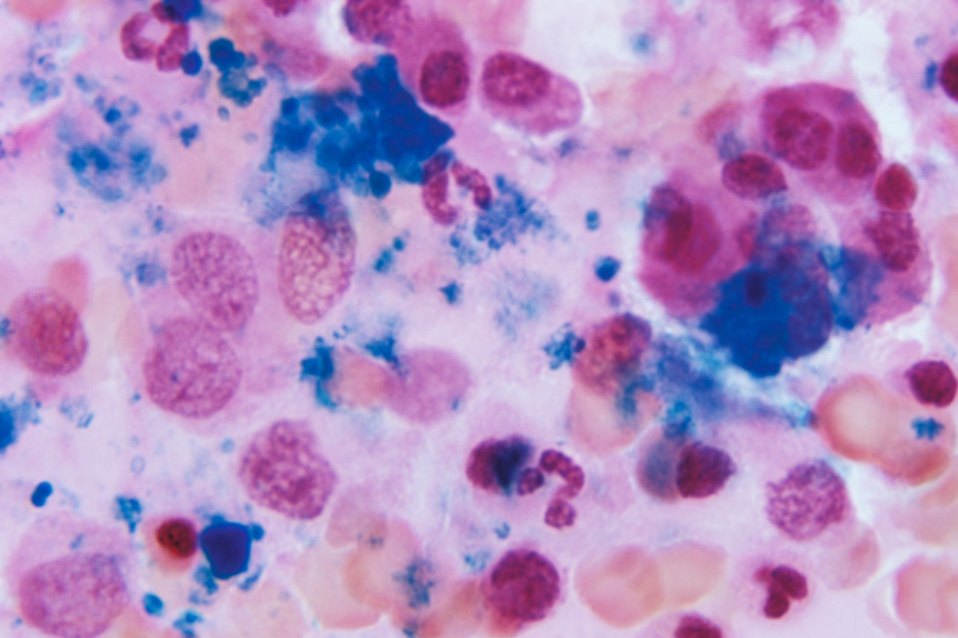
ROME, July 10 — The lymphatic system, a network of vessels and organs that defends the body against infection, operates through a division of labor between primary and secondary lymphoid organs, according to medical records of the body’s immune architecture. Primary lymphoid organs include the bone marrow, where all blood cells—including B cells—are produced, and the thymus, a gland located behind the sternum where T cells mature. The record shows the thymus is largest in children and undergoes involution, shrinking with age.
The bone marrow produces roughly 100 billion white blood cells each day. The thymus also secretes hormones such as thymosin, which regulate T cell development.
Secondary lymphoid organs form a distributed surveillance network. The human body contains over 500 lymph nodes, bean-shaped structures that filter lymph fluid and trap pathogens. During infection, these nodes swell in a condition known as lymphadenopathy.
The spleen, weighing about 150 grams, filters blood and removes old red blood cells. It contains red pulp, which handles blood filtration, and white pulp, which houses lymphocytes.
Mucosa-associated lymphoid tissue, or MALT, includes the tonsils, adenoids, and Peyer’s patches located in the intestine. The lymphatic system transports lymph, a clear fluid carrying white blood cells, through a network of vessels and nodes. Sources familiar with the system’s function note that damage or removal of these organs—such as a splenectomy—increases the risk of infection.
Historical Discovery and Modern Understanding
The lymphatic system was first described in the 17th century by Olaus Rudbeck and Thomas Bartholin, two anatomists working independently. Their documentation established the foundation for understanding how the body circulates immune cells and filters pathogens. On the timeline of medical knowledge, the system’s role has become increasingly clear.
The spleen’s dual structure—red pulp for blood filtration and white pulp for lymphocyte activity—illustrates how the body integrates waste removal with immune surveillance. Similarly, the lymph nodes act as checkpoints, concentrating white blood cells where pathogens are likely to be encountered.
Clinical Implications
The record shows that the thymus is most active during childhood, producing T cells that will populate the immune system for decades. Its gradual shrinkage with age correlates with declining immune function in older adults. The bone marrow’s daily production of 100 billion white blood cells represents a constant replenishment of the body’s defensive forces.
Splenectomy, the surgical removal of the spleen, leaves patients more vulnerable to certain bacterial infections. The spleen’s role in filtering blood and removing old red blood cells cannot be fully compensated by other organs.
Similarly, damage to lymph nodes—whether from surgery, radiation, or disease—can impair the body’s ability to mount an immune response. The system’s complexity, with over 500 lymph nodes distributed throughout the body, means that infection can trigger localized swelling as nodes work to trap and destroy pathogens. This lymphadenopathy is a common clinical sign that physicians use to assess the spread of infection or disease.
What to Watch Next
Researchers continue to investigate how the lymphatic system interacts with other bodily systems, particularly in aging and disease. The thymus’s involution and its impact on T cell production remains an area of active study. Understanding how to maintain or restore lymphatic function could have implications for vaccine efficacy, cancer immunotherapy, and infection control in vulnerable populations. Consult your doctor for medical advice.
{“@context”: “https://schema.org”, “@type”: “NewsArticle”, “headline”: “Immune System Key Organs: Bone Marrow, Thymus, Spleen”, “description”: “ROME, July 10 — The lymphatic system, a network of vessels and organs that defends the body against infection, operates through a division of labor…”, “datePublished”: “2026-07-10T09:30:00+00:00”, “author”: {“@type”: “Person”, “name”: “Ariel Antonio”}, “publisher”: {“@type”: “Organization”, “name”: “InfoPulse Today”, “url”: “https://newsfeed.infopulsetoday.com/”}}




