
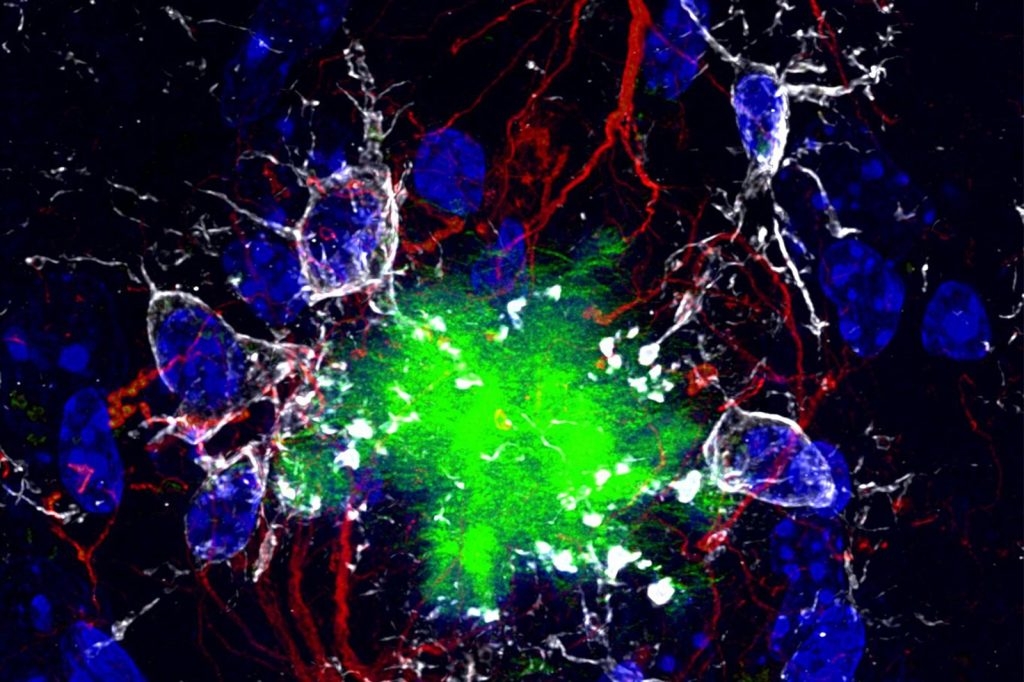
Mechanism of Disruption: Mitochondrial Dysfunction and Protein Clumping
Researchers working at the cellular level observed that 6PPD-Q may interfere with the inner workings of brain cells in ways that resemble known features of Alzheimer’s disease. The laboratory experiments pointed to possible interference with mitochondrial function, the cell’s energy-producing centers. In addition, the chemical appeared to trigger oxidative stress, a condition where harmful molecules overwhelm the cell’s natural defenses. Protein aggregation, another process implicated in Alzheimer’s, was also noted in the presence of 6PPD-Q. These three cellular disruptions — mitochondrial trouble, oxidative stress, and protein clumping — are all processes known to be involved in the development of Alzheimer’s disease.
However, the work remains at an early stage. No specific dates for the research nor the names of the researchers or their institutions are available from the supplied facts. The source material does not specify the exact molecular mechanism by which 6PPD-Q might trigger these disruptions in neuronal cells. The observed effects, while striking, do not mean the chemical causes Alzheimer’s disease. They do, however, suggest that the compound warrants a closer scientific look.
What Remains Unknown: Exposure, Regulation, and Next Steps
The broader implications for public health remain unclear. The source material does not provide any information on how people might be exposed to 6PPD-Q — whether through air, water, or dust. Nor does it specify any regulatory actions or public health recommendations. The research is purely at the laboratory stage, examining effects on isolated cells.
The next logical steps in this line of investigation would likely involve more detailed mechanistic studies to pinpoint exactly how 6PPD-Q interferes with mitochondria or triggers protein aggregation. Researchers would also need to establish whether the concentrations used in the lab are relevant to real-world human exposure. Epidemiological studies — looking at whether people with higher exposure to tire wear particles have higher rates of Alzheimer’s — would represent another logical next step, but no such studies are mentioned in the supplied facts.
Background and Significance: A Widespread Chemical Under Scrutiny
Concerns about chemical exposures and their long-term effects on brain health are not new. Decades of research have tracked how certain compounds — whether from industrial runoff, vehicle emissions, or consumer products — can accumulate in the environment and interact with human biology. The preservative 6PPD has been used in tires since the mid-20th century to slow rubber degradation from ozone and heat, a measure that extends tire life but creates transformation products when exposed to sunlight or water. One of those byproducts, 6PPD-quinone, has only recently drawn focused scientific attention, though the broader class of tire-related chemicals has been scrutinized for years due to their persistence in road dust and water runoff near heavily trafficked areas.
Neurodegenerative diseases are conditions marked by the gradual breakdown of nerve cells in the brain and nervous system, leading to worsening cognitive and motor function over time. These disorders share underlying mechanisms such as protein misfolding, oxidative damage, and chronic inflammation — processes that disrupt cellular communication and survival. Alzheimer’s disease, the most common neurodegenerative disorder, is characterized by the accumulation of amyloid plaques and tau tangles, alongside widespread neuronal loss, particularly in regions responsible for memory and reasoning.
What makes 6PPD-quinone notable now is its emergence as a potential environmental trigger for processes already implicated in Alzheimer’s. While the disease is strongly associated with aging and genetic risk factors, growing evidence suggests that external exposures — especially those affecting mitochondria, the cell’s energy centers, or promoting oxidative stress — can accelerate or worsen neuronal damage. Early lab studies indicate that 6PPD-quinone disrupts these very systems in neuronal cells, producing changes that resemble Alzheimer’s pathology. The significance lies not in proving causation, but in identifying a new, widespread chemical as a possible contributor to a disease that affects millions worldwide and whose root causes remain only partially understood. For those seeking medical advice, consultation with a physician is recommended.
{“@context”: “https://schema.org”, “@type”: “NewsArticle”, “headline”: “Mitochondrial Disruption and Protein Clumping Linked to Alzheimer’s-Like Effects”, “description”: “Mechanism of Disruption: Mitochondrial Dysfunction and Protein Clumping Researchers working at the cellular level observed that 6PPD-Q may interfere with the inner workings of brain…”, “datePublished”: “2026-07-07T09:30:00+00:00”, “author”: {“@type”: “Person”, “name”: “Maria Romano”}, “publisher”: {“@type”: “Organization”, “name”: “InfoPulse Today”, “url”: “https://newsfeed.infopulsetoday.com/”}}




