
MADRID — The survival rate is 20 percent. That is the number that defines rhabdoid tumours in children. Five years out from diagnosis, only one in five patients is still alive.
The rest are gone. Alfonso Alba Bernal works with those numbers every day.
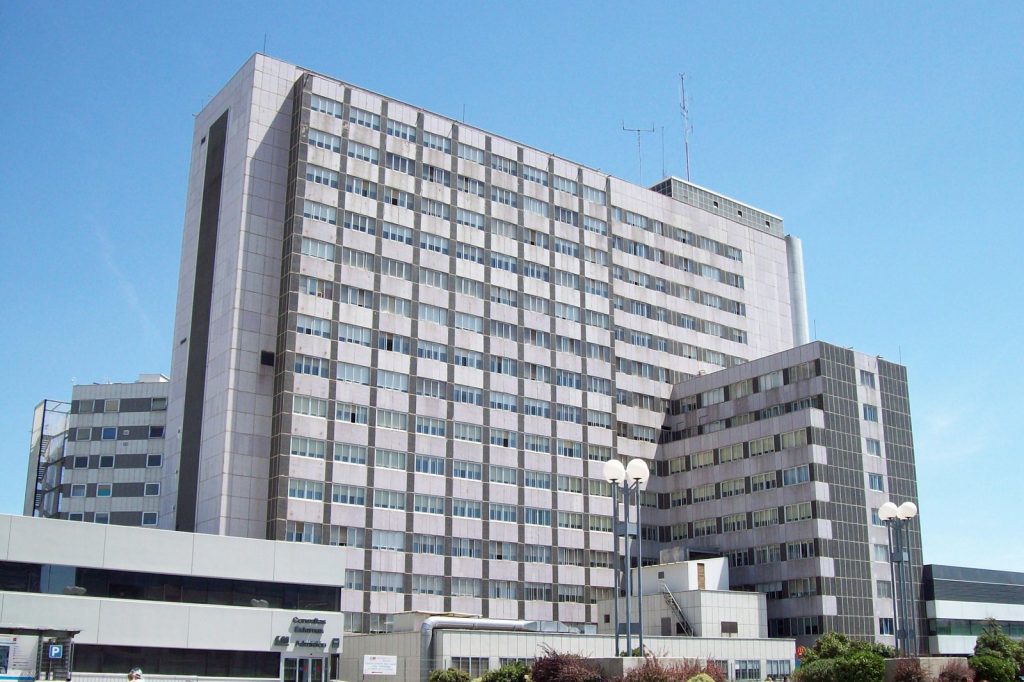
He is a postdoctoral researcher from Rincón de la Victoria, on the Costa del Sol, but his lab is here at La Paz University Hospital. The paediatric oncohaematology group he belongs to is trying to change that 20 percent figure. The tumours are rare.
They are aggressive. They strike in the first years of life.
Some appear in the brain — atypical rhabdoid teratoid tumours. Others show up in the kidney or liver. Those are called extracranial malignant rhabdoid tumours.
The locations vary. The outcome does not. Current standard care is surgery, chemotherapy, and radiotherapy when possible.
It is brutal. It is also insufficient.
“It carries significant side effects for such young children,” Alba Bernal said. The problem is that no specialised treatments exist for these tumours. So doctors use the same blunt tools they have for decades.
But the tumour itself is unusual. Most cancers are genetic messes — dozens, sometimes hundreds of mutations driving them.
Rhabdoid tumours are different. They depend on the loss of a single gene. That genetic simplicity makes them aggressive and hard to treat.
It also gives the research team an idea. If the tumour has recognisable signals on its surface, can the patient’s own immune system be trained to find them? That is the premise.
The team is working to apply CAR-T therapy. CAR-T is a treatment that re-engineers a patient’s immune cells to attack cancer.
It has worked in some blood cancers. Solid tumours are harder. Rhabdoid tumours might be vulnerable.
The work is led by Alba Bernal in collaboration with Antonio Pérez Martínez, head of the Pediatric Hematology-Oncology Department at La Paz. The team is small.
The stakes are large. Inside the lab, the research is methodical. There are no shortcuts.
The cells must be engineered. The targets must be verified. The safety checks must pass.
Then comes the question of whether the therapy works in animal models. Then, if all goes well, a clinical trial.
That is years away. But the alternative is the current reality. And the current reality is 20 percent survival.
La Paz is one of Spain’s largest public hospitals. The paediatric oncology ward here treats children from across the country.
Some come from Andalusia, like Alba Bernal himself. Some come from smaller cities where the expertise does not exist. They arrive with rare tumours and limited options.
For rhabdoid tumour patients, those options are even narrower. Because the disease is rare, it attracts less research funding. Because it is rare, fewer pharmaceutical companies invest in treatments.
Because it is rare, the families fighting it often fight alone. Alba Bernal’s work is one attempt to change that.
The gene loss that makes the tumour so aggressive might also be its weakness. If the immune system can be taught to recognise the cancer cell’s surface markers, the body could destroy the tumour itself. No chemotherapy.
No radiation. Just the patient’s own cells, reprogrammed to hunt.
That is the hope. The lab is still in the early stages. The team is still testing.
But the direction is clear. For the children who get these tumours, time is short. For the researchers trying to save them, time is the only resource they cannot manufacture.
{“@context”: “https://schema.org”, “@type”: “NewsArticle”, “headline”: “Spanish researcher leads efforts to improve 20% survival rate for childhood tumours”, “description”: “MADRID — The survival rate is 20 percent. That is the number that defines rhabdoid tumours in children. Five years out from diagnosis, only one…”, “datePublished”: “2026-06-30T11:01:00+00:00T09:30:00+00:00”, “author”: {“@type”: “Person”, “name”: “Beatrice Bianchi”}, “publisher”: {“@type”: “Organization”, “name”: “InfoPulse Today”, “url”: “https://newsfeed.infopulsetoday.com/”}}




