
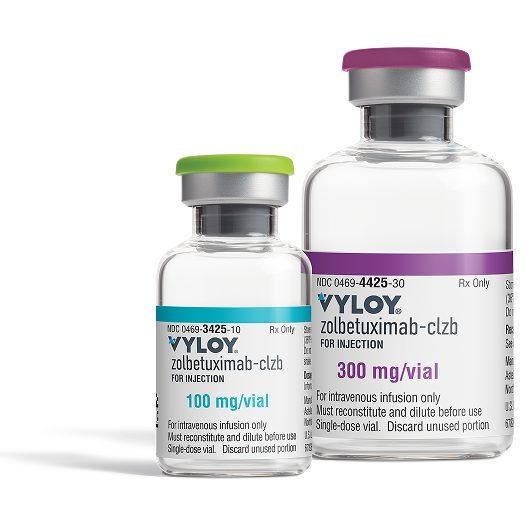
In March 2024, Japanese health regulators gave the green light to zolbetuximab, a monoclonal antibody marketed as Vyloy, for use in patients with gastric cancer. The drug targets the isoform‑2 variant of the cell‑adhesion protein Claudin‑18.2, acting as a cytolytic antibody that selectively attacks cancer cells expressing this marker.
Zolbetuximab’s journey began at Ganymed Pharmaceuticals, which engineered the antibody to exploit the unique presence of Claudin‑18.2 on gastric tumor cells. In December 2016, Astellas Pharma acquired Ganymed, thereby assuming ownership of the investigational product and incorporating it into its oncology pipeline. The acquisition was intended to strengthen Astellas’ portfolio with innovative cancer therapies and to ensure continued development of the antibody.
The Japanese approval reflects a thorough evaluation of the drug’s safety and efficacy under the nation’s stringent regulatory framework. While the United States Food and Drug Administration has classified zolbetuximab as a first‑in‑class agent—recognizing its novel mechanism of action—the Japanese decision marks the first formal market authorization for the product.
Gastric cancer remains a leading cause of cancer mortality worldwide, and treatment options that precisely target tumor‑specific antigens are in high demand. By binding to Claudin‑18.2, zolbetuximab delivers a targeted cytotoxic effect, a strategy that could translate into better clinical outcomes compared with less selective therapies. Astellas Pharma’s involvement is pivotal to the drug’s commercial rollout. The company’s global reach, manufacturing capabilities, and regulatory expertise are expected to facilitate broader availability of zolbetuximab, should additional approvals be secured.
Plans for further submissions to health authorities in the European Union and the United States are already underway, with the aim of extending access beyond the Japanese market. The approval also underscores the importance of strategic acquisitions in the pharmaceutical sector.
By integrating Ganymed’s pipeline, Astellas positioned itself to bring a potentially transformative oncology product to patients, while also reinforcing its commitment to addressing unmet medical needs. Looking ahead, the medical community will monitor post‑marketing data from Japan and await the outcomes of ongoing clinical studies. These investigations will help define the drug’s role in treatment algorithms, its long‑term safety profile, and its effectiveness when combined with other anticancer regimens.
As regulatory reviews continue worldwide, the coming months are likely to determine whether zolbetuximab will become a standard component of gastric cancer therapy on a global scale. The Japanese approval represents a significant milestone, offering a new therapeutic avenue for patients and highlighting the promise of targeted monoclonal antibodies in modern oncology.




