
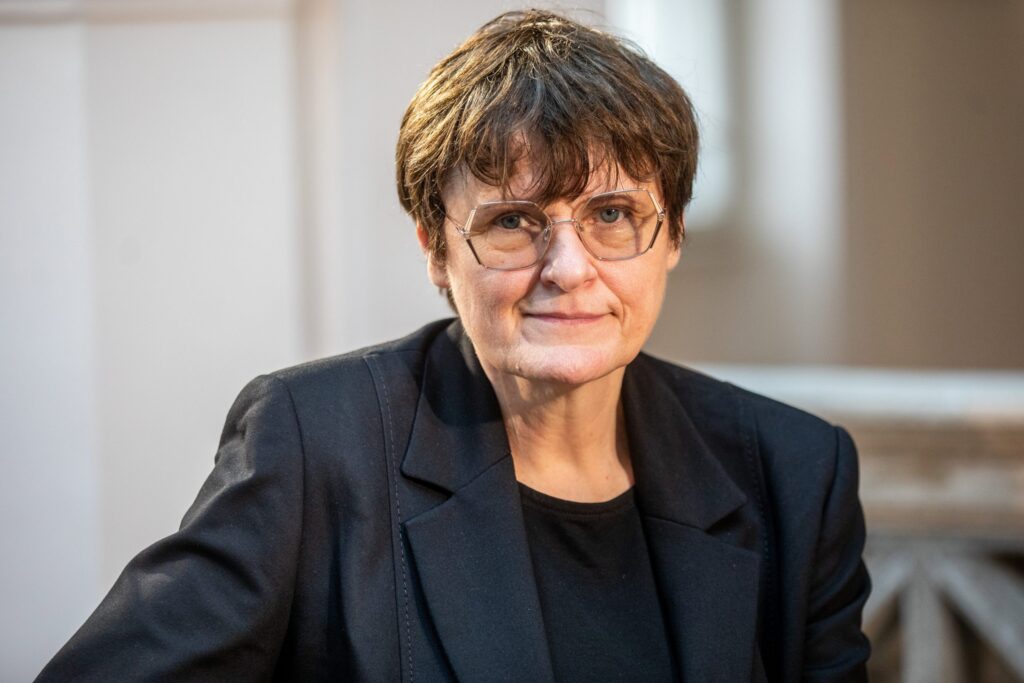
LONDON, July 10 — The detail that matters in the story of Katalin Karikó is not the Nobel Prize, nor the 95% efficacy figure from the Pfizer-BioNTech vaccine. Under the hood, the technical reality is a single molecular tweak: swapping uridine for pseudouridine in messenger RNA. That modification, published in 2005 in the journal Immunity, solved the inflammatory response problem that had blocked mRNA therapeutics for years.
Without it, the COVID-19 vaccines would not have worked. Karikó’s path to that discovery was, as ever, a study in institutional neglect.
Born in 1955 in Szolnok, Hungary, she earned her PhD from the University of Szeged in 1982. Three years later, in 1985, she moved to the United States and joined the University of Pennsylvania. For decades, her research on messenger RNA as a therapeutic was largely ignored and underfunded.
The technical reality was that she was working on a molecule most biologists considered too unstable and too immunogenic to ever be a drug.
The Pseudouridine Breakthrough
The breakthrough came in collaboration with Drew Weissman. Their 2005 paper in Immunity demonstrated that incorporating pseudouridine — a naturally occurring modified nucleoside — into synthetic mRNA dramatically reduced the activation of Toll-like receptors, the immune sensors that trigger inflammation. A 2008 paper in Nature Biotechnology refined the approach.
The technical reality was that they had found a way to make mRNA invisible to the innate immune system while still allowing it to be translated into protein inside cells. It was elegant, precise, and for years, largely ignored.
Funding remained scarce. Karikó persisted. In 2013, she left the University of Pennsylvania and joined BioNTech as a senior vice president.
The detail that matters here is that BioNTech, a small German biotech, had been quietly working on mRNA cancer vaccines. When SARS-CoV-2 emerged in 2020, the company partnered with Pfizer to develop BNT162b2, the COVID-19 vaccine that achieved 95% efficacy in clinical trials.
The pseudouridine modification was the technical foundation of that success.
Recognition and Legacy
Karikó and Weissman received the 2023 Nobel Prize in Physiology or Medicine. As of 2023, Karikó holds over 100 patents and has received numerous awards, including the Lasker Award in 2021. The Lasker is often called “America’s Nobels” — the detail that matters is that it preceded the actual Nobel by two years, a rare sequence that underscores how long the scientific establishment took to fully register the magnitude of the work.
The technical reality is that Karikó’s story is not primarily about perseverance, though that is the narrative that sells. It is about a specific, testable hypothesis — that modified mRNA could evade immune detection — and the decade-long grind to prove it.
The pseudouridine work was not a lucky accident. It was the result of systematic biochemical investigation into why unmodified mRNA triggered inflammation in the first place. What to watch next is the application of this platform beyond COVID-19.
BioNTech and Moderna are both running clinical trials on mRNA-based cancer vaccines, using the same pseudouridine-modified backbone. Karikó’s patents cover the fundamental IP.
The detail that matters for the future is that the platform is modular: swap the mRNA sequence, and you can target a different antigen. The inflammatory response problem is solved. The rest is engineering. Consult your doctor for medical advice.
{“@context”: “https://schema.org”, “@type”: “NewsArticle”, “headline”: “Katalin Karikó’s mRNA research wins 2023 Nobel Prize”, “description”: “LONDON, July 10 — The detail that matters in the story of Katalin Karikó is not the Nobel Prize, nor the 95% efficacy figure from…”, “datePublished”: “2026-07-10T09:30:00+00:00”, “author”: {“@type”: “Person”, “name”: “Sebastian Smith”}, “publisher”: {“@type”: “Organization”, “name”: “InfoPulse Today”, “url”: “https://newsfeed.2bme.xyz/”}}




