
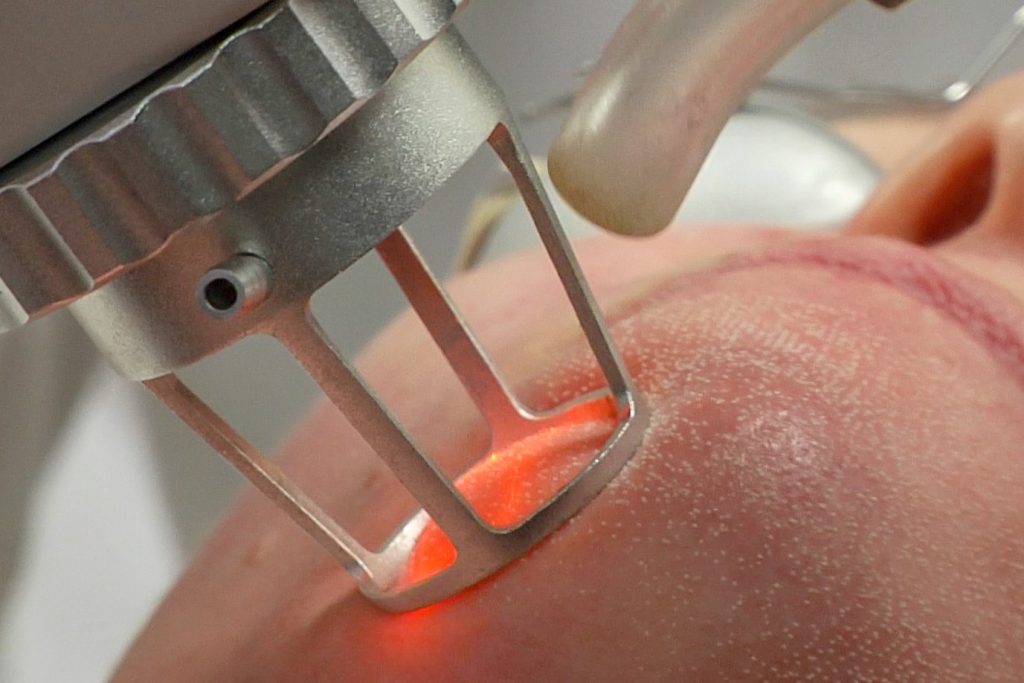
For decades, dermatologists knew lasers could burn away damaged skin. The question was always whether they did anything deeper — whether a beam of light could actually reach into a cell’s operating manual and change the aging process itself. A study published today in Scientific Reports says yes.
The answer took years of work with a specific wavelength of light, 1940 nanometers, fired in tiny, fractional columns into living human skin. Candela Corporation, based in Marlborough, Massachusetts, announced the peer-reviewed findings this morning.
The research shows that Candela’s Nordlys laser doesn’t just resurface skin. It alters DNA methylation — the chemical tags that sit on top of genes, telling them to turn on or off. Those tags change as people age.
Sun exposure changes them faster. Cancer cells exploit those changes to grow unchecked.
This is the first in vivo human evidence that a non-ablative fractional laser can reverse the skin’s epigenetic signature of aging. Non-ablative means the laser doesn’t vaporize tissue. It heats the deeper layers while leaving the surface intact.
That distinction matters. Ablative lasers remove layers of skin, forcing the body to heal and rebuild. They work, but they come with downtime, pain, infection risk.
A non-ablative approach is gentler. The new evidence suggests it might also be smarter — targeting the molecular instructions rather than just the physical result.
The study landed in Scientific Reports, a Nature Portfolio journal. Peer review at that level is not automatic. The paper had to survive scrutiny from independent scientists who know the field.
That lends weight to claims that would otherwise sound like marketing. But the history here is longer than one study.
Epigenetics — the study of how environment and behavior change gene activity without altering DNA sequence — has been a growing field for two decades. Scientists mapped the human genome in 2003. They quickly realized the sequence alone didn’t explain aging, disease, or why identical twins diverge over time.
The answer was in the methyl groups: tiny molecular switches added or removed in response to sun, diet, stress. Skin is the most exposed organ. It gets the most sun.
Its methylation patterns change predictably with age. Dermatologists have known for years that these epigenetic shifts are linked to skin cancer.
Basal cell carcinoma, squamous cell carcinoma, melanoma — all involve disrupted methylation. The idea that a laser could reach into that system, resetting some of those switches, has been theoretical until now. This study closes that gap.
The 1940 nm wavelength was not chosen at random. Water in the skin absorbs that specific frequency, creating controlled thermal zones in the dermis.
The body responds by sending repair cells. Those cells bring enzymes that can strip old methyl tags and install new ones. The result, according to the paper, is a pattern that looks younger — closer to the epigenetic profile of healthy, sun-protected skin.
The implications reach beyond cosmetics. Skin cancer is the most common cancer in the United States. Treatments exist, but prevention is crude: sunscreen, hats, avoiding peak sun.
If a laser can reverse some of the epigenetic damage that precedes cancer, it becomes a therapeutic tool, not just a cosmetic one. The researchers published at 09:07 ET this morning.
The company’s press release followed immediately. But the science had been in the works long before. Candela has been making lasers for dermatology since the 1990s.
The Nordlys system is a platform, not a single device. It uses multiple wavelengths for different problems.
The 1940 nm handpiece was designed for skin resurfacing. The epigenetic finding was not the original goal. It emerged from careful measurement of what the laser actually did to cells.
That is how real discovery often happens. Someone builds a tool for one purpose. Someone else looks closer and finds something unexpected.
A laser that was supposed to make skin look better also changed the way skin cells read their own DNA.
{“@context”: “https://schema.org”, “@type”: “NewsArticle”, “headline”: “Study Finds 1940 nm Laser Light Alters Skin Cells’ Aging Process”, “description”: “For decades, dermatologists knew lasers could burn away damaged skin. The question was always whether they did anything deeper — whether a beam of light…”, “datePublished”: “2026-06-30T12:41:00+00:00T09:30:00+00:00”, “author”: {“@type”: “Person”, “name”: “Muhammad Asim”}, “publisher”: {“@type”: “Organization”, “name”: “InfoPulse Today”, “url”: “https://newsfeed.infopulsetoday.com/”}}




