
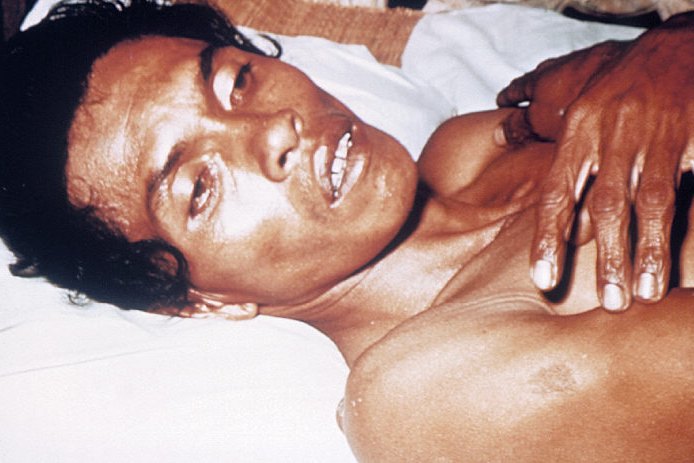
Lebanon has recorded its first cholera cases since 1993, ending a 29‑year gap in the nation’s disease registers. The Ministry of Public Health confirmed that the outbreak emerged this year, and investigators have linked it to the ongoing epidemic in neighboring Syria, where contaminated water from the Euphrates River has been identified as a source of infection. The Euphrates, which flows through Syria and into the broader Middle East, is believed to have carried the bacteria across the border.
Cholera spreads rapidly through polluted water supplies, and its high infectivity can overwhelm communities within days. Lebanon’s capacity to respond is hampered by a deepening economic crisis that has left essential services fragile.
Frequent power outages have disrupted the operation of water‑treatment facilities, and many residents now rely on water delivered by trucks—a supply that is often unregulated and rarely tested for contaminants. These conditions create an environment in which a water‑borne pathogen can thrive. The Ministry of Health has begun mapping the locations of reported cases and tracing the routes by which the bacteria entered the water network. Coordination with the World Health Organization and other international health agencies is expected as the ministry seeks technical support and guidance for containment efforts.
Containment, however, is a complex task in a country where the public‑health system has been weakened by the economic downturn. Hospitals report shortages of fuel, medicines and staff, while cholera treatment—requiring prompt rehydration, intravenous fluids and antibiotics—depends on reliable supplies that are currently uncertain.
Compounding the challenge is Lebanon’s sizable Syrian refugee population, many of whom live in informal settlements with limited sanitation infrastructure. A single contaminated water source in these camps could generate dozens of infections before the outbreak is detected. Cross‑border movement between Syria and Lebanon remains frequent, and the disease does not respect checkpoints.
Health officials stress that the outbreak is still in its early phase, providing a narrow window for intervention. Rapid identification of contaminated water points and swift distribution of chlorine tablets, testing kits and medical supplies are essential to prevent the bacteria from establishing a foothold in the national water system.
International agencies, including the WHO, have experience managing cholera in the region and are expected to assist, though aid is not guaranteed. Lebanon’s political paralysis and bureaucratic hurdles could delay the arrival of needed resources, affecting the speed of the response. At present, the Ministry of Health remains the frontline authority.
Its ability to track cases, locate the source of contamination and implement control measures will shape the trajectory of the outbreak. Failure to contain the disease could lead to sustained transmission, with the potential for severe outcomes, especially among children and the elderly, who are most vulnerable to cholera’s rapid, often fatal, progression.




