The FDA has approved the first oral PCSK9 inhibitor, enlicitide, offering a new way to lower LDL cholesterol without injections. This approval raises questions for statin-intolerant patients about how enlicitide compares to existing options like bempedoic acid in terms of cost, side effects, and cardiovascular outcomes.
LDL Lowering: Enlicitide Leads, But Bempedoic Acid Offers Proven Benefits
Enlicitide, sold as Lipfendra, significantly reduces LDL cholesterol by 57-65% in patients already on statins, according to ScienceDaily. This is a substantial improvement over bempedoic acid’s 6% reduction and ezetimibe’s 28%.
However, bempedoic acid has a key advantage: proven cardiovascular benefits. The CLEAR Outcomes trial, as reported in the American Journal of Cardiovascular Drugs, showed bempedoic acid reduced cardiovascular events like heart attacks and strokes by 13% in statin-intolerant patients.
Cost: Enlicitide More Expensive, Bempedoic Acid More Accessible
Enlicitide carries a price tag of $315 for a 30-day supply. While potentially more affordable than injectable PCSK9 inhibitors, it’s significantly more expensive than bempedoic acid, which becomes cost-effective with real-world discounts and rebates, according to a study in the American Journal of Cardiovascular Drugs.
This study found that bempedoic acid’s cost-effectiveness improves dramatically when factoring in market rebates and fixed-dose combinations, making it a more accessible option for many patients.
Side Effects: Both Generally Well-Tolerated
Both medications are generally well-tolerated. Enlicitide may cause slightly more diarrhea and dizziness than placebo, while bempedoic acid is known for avoiding the muscle-related side effects that often lead to statin intolerance, as highlighted in the American Journal of Cardiovascular Drugs.
This makes bempedoic acid a particularly attractive option for patients who have experienced muscle pain or weakness with statins.
Clinical Positioning: Enlicitide for Lowering LDL, Bempedoic Acid for Proven Outcomes
Enlicitide’s impressive LDL-lowering ability makes it a promising option for patients who struggle with injections or haven’t achieved their cholesterol goals with other oral medications. However, its impact on cardiovascular events remains unproven.
Bempedoic acid, while offering a more modest LDL reduction, provides proven cardiovascular benefits for statin-intolerant patients. Its cost-effectiveness, especially with discounts, makes it a valuable option for this population.
The choice between enlicitide and bempedoic acid ultimately depends on individual patient needs and priorities. Patients should discuss their specific situation with their doctor to determine the best treatment approach for managing their cholesterol and reducing cardiovascular risk.
Sources
- FDA approves Lipfendra LDL-lowering pill — ScienceDaily
- Bempedoic Acid Proves Cost-Effective for Statin-Intolerant Heart Patients
- Why an Oral PCSK9 Inhibitor May Motivate More LDL-C Lowering | Pharmacy Times
- New once-daily pill slashes âbadâ cholesterol by up to 65%
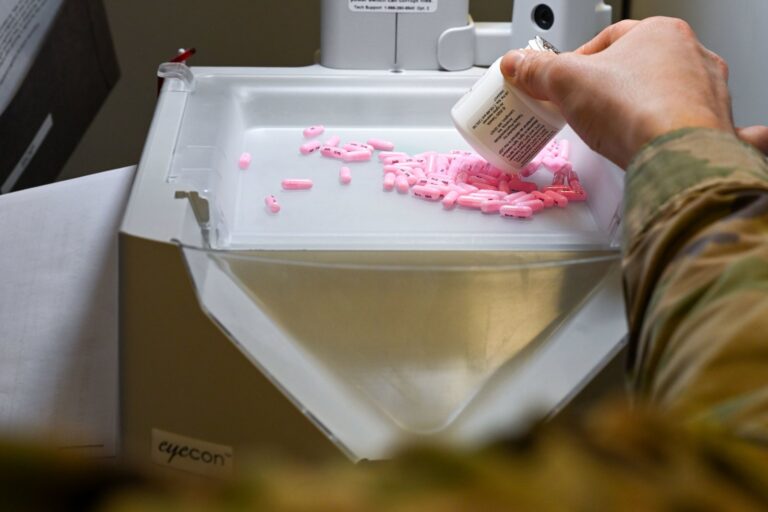
Photo: U.S. Air Force photo by Senior Airman Jessica Sanchez-Chen (Public domain)