The Mechanics of the Pass-Through
SYDNEY, November 3, 2026 — The Reserve Bank of Australia raised its cash rate target by 0.25 percentage points to 4.85 percent, the highest level since 2008. This is the fifth increase in 2026, and it lands directly on the monthly statements of over 3.3 million Australian households with home loans. For the average borrower, the mechanics here are immediate and tangible: the latest hike adds $107 to the monthly interest payment on a standard $700,000 loan.
Follow the money, and the path is linear. When the central bank lifts the cash rate, it increases the cost of funds for commercial banks. Lenders, in turn, adjust their variable mortgage rates to maintain their margins. The catch is that this does not happen in a vacuum; it is the cumulative weight of five separate hikes this year that is now compressing household budgets. The total increase in monthly repayments for that $700,000 borrower, resulting from all five of 2026’s rate rises, is $532.
Why the Board Moved Again
On closer reading, the decision to hike was driven by inflation data that defied earlier forecasts. Annual inflation rose from 4.0 percent in August to 4.3 percent in September, well above the RBA’s target range of 2-3 percent. The bank cited persistent pressures driven by higher fuel and commodity prices, partly due to the conflict in the Middle East. Governor Michele Bullock was explicit that the bank is not tightening policy solely because of oil prices, noting that monetary policy cannot impact global oil prices. Instead, the board is reacting to underlying domestic demand and cost-of-living pressures that have kept inflation stubbornly high.
The decision was not unanimous. The Monetary Policy Board split 6-3, with three members voting to leave the rate unchanged at 4.60 percent. This division signals internal debate about the pace of tightening. However, the majority view prevailed, reflecting a consensus that inflation needs to come down, and that “we will do what is necessary to achieve that”. The RBA’s Statement on Monetary Policy forecasts that inflation will remain elevated through much of 2027, with the rate not expected to return to the top of the target range until late 2027. This timeline matters for savings strategies because it suggests the period of elevated borrowing costs is not ending soon.
The Trade-Off: Pain Now vs. Pain Later
Governor Bullock framed the decision as a necessary trade-off. She stated that “some pain now will prevent even worse pain down the track”. The logic is that allowing inflation to persist would erode purchasing power more significantly than the interest rate hikes are currently eroding savings and increasing debt servicing. The RBA’s base forecast does not currently include a recession for Australia, with economic growth projected at 1.6% for 2026 and 1.3% in 2027. While these growth figures are below the estimated potential growth rate of about 2%, they are better than recent forecasts by bank analysts. The bank is attempting to slow the economy just enough to bring inflation down without triggering a sharp contraction.
For households, the pressure is intensifying. The RBA noted that domestic capacity pressures appeared stronger than previously estimated, with higher fuel prices being passed on to other goods and services. This creates a squeeze: higher costs for essentials combined with higher costs for borrowing. The bank warned that the unresolved conflict in the Middle East poses further risks to inflation and economic growth, with disruptions to global oil supplies continuing to push up energy prices. Global oil prices are forecast to ease over the coming 18 months but will remain relatively elevated, suggesting limited relief for motorists and businesses in the near term.
What Comes Next
Signals from the central bank suggest a pause may be coming. Economists from major investment houses, including UBS, viewed the RBA’s statement as “clearly dovish,” noting the absence of explicit references to further hikes in the post-meeting statement. Bullock hinted that the next decision in early December could be a hold, saying the impacts of the last two hikes haven’t been fully felt yet. She described the current moment as a good point to “take stock for a minute and see what comes in in terms of the data”. The Monetary Policy Board will hold its final meeting of 2026 in early December to consider adjusting the cash rate target.
For borrowers and savers, the immediate reality is a $532 monthly increase in repayment obligations for the average $700,000 loan. The next scheduled rate decision is in early December 2026.
Sources
- Bitcoin Faces 3 Big Tests During the First Week of November
- RBA’s ugly outlook spells tough times for Australia’s economy
- Australian central bank raises interest rates to 18-year high
- RBA interest rate decision live: Millions hit with 18-year high as brutal 'ripple effect' to sweep Australia
- RBA interest rates: Bullock says ‘some pain now’ will prevent worse pain later as Reserve Bank hikes rates for fifth time
- Australia raises key rate to 4.85% — CNBC
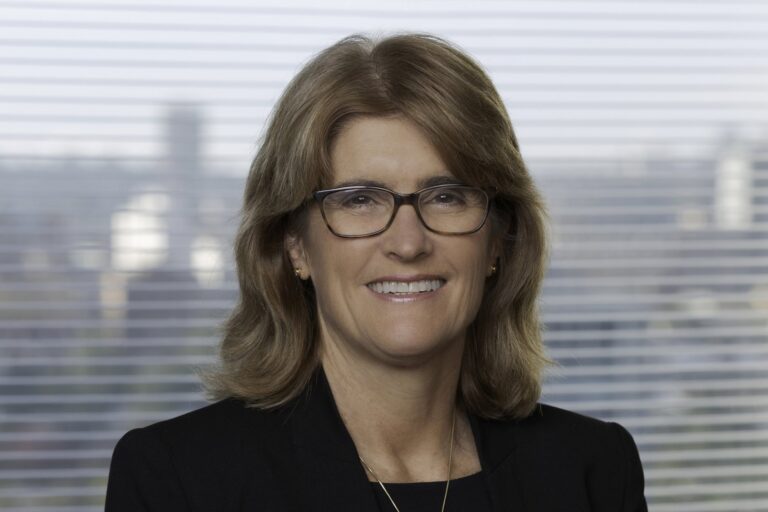
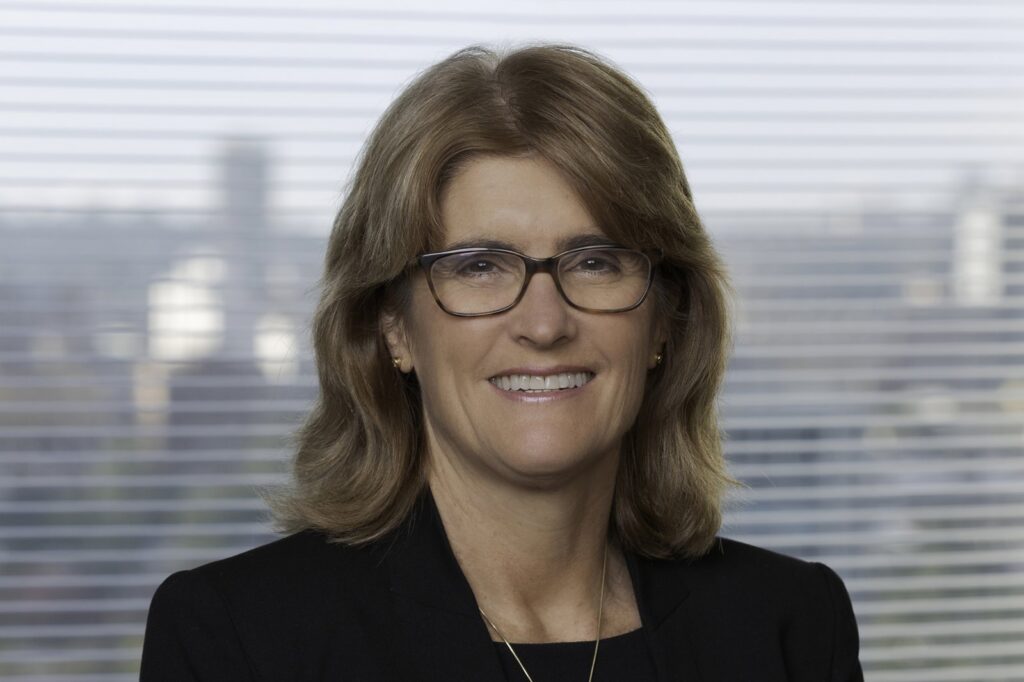
Photo: Reserve Bank of Australia (CC BY 4.0)