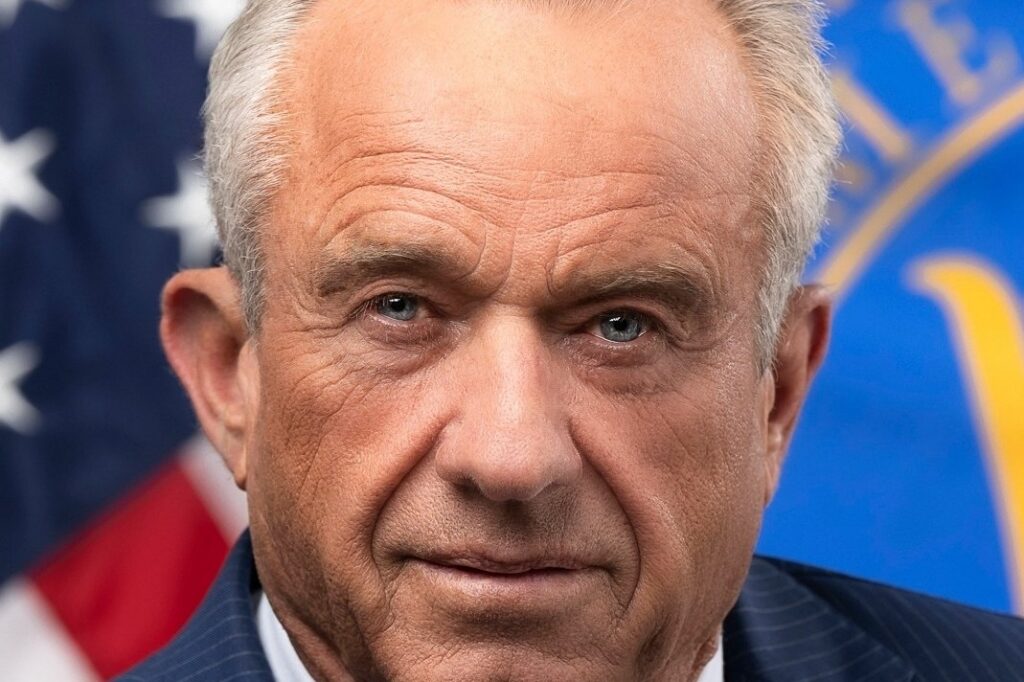
WASHINGTON, D.C., October 29, 2026 — The Trump administration has moved to ease access to unproven peptide drugs favored by Health Secretary Robert F. Kennedy Jr., a decision that has drawn immediate concern from scientists and medical professionals who warn of potential harm to consumers.
A New Path for Unapproved Compounds
The Department of Health and Human Services announced a loosening of restrictions on six unproven peptides, directing the FDA not to take action against specialty pharmacies that sell them. The policy covers injectable wellness peptides such as BPC-157, TB-500, KPV, Epitalon, MOTS-c, and Semax. Under current rules, those chemicals would otherwise be considered illegal drugs because they have not gone through the agency’s rigorous review process for safety and effectiveness.
The draft policy posted online by Kennedy’s Department of Health and Human Services states that the change advances patient choice and freedom while protecting people in the United States from peptides sold online that are often made from unscreened ingredients. HHS spokesperson Emily Hilliard said the policy requires patient-specific prescriptions, traceable ingredients, quality testing and safety reporting to hold compounders accountable and give patients an alternative to unregulated sellers.
The document primarily written by HHS faced overwhelming pushback among FDA drug staffers who warned it could undermine the agency’s long-standing mission of keeping unproven health products off the U.S. market. According to six people familiar with its development, FDA scientific staffers had little input on the decision and opposed the changes.
The Human Side of Patient Choice
Robert F. Kennedy Jr. described himself as a big fan of peptides and previously used BPC-157 to treat a muscle injury. He determined the change advances patient choice and freedom while protecting people in the United States from peptides sold online that are often made from unscreened ingredients.
Kennedy has called himself a big fan of peptides and previously described using BPC-157 to treat a muscle injury. Some peptides occur naturally in the human body, where they trigger hormones needed for growth, metabolism and healing. Drug companies have brought several to market as medications, including mainstay treatments for diabetes and weight loss.
Lee Rosebush of the American Academy of Peptide Medicine said in an online post that HHS had taken a huge step for patient and provider medical freedom. The group, which is not a medical professional organization, represents people who prescribe or sell peptides. Major telehealth providers, including Hims & Hers, recently announced plans to offer wellness peptides once the government changed its policy.
Safety Concerns and Market Impact
Wall Street analysts estimate the market could be worth more than $2 billion as the policy directs the FDA not to enforce its rules against pharmacies that compound the substances. However, Dr. Peter Lurie, a former FDA official who now leads the nonprofit Center for Science in the Public Interest, noted that the FDA has approved rigorously tested drugs for all of those conditions including insomnia, anxiety, inflammatory conditions and migraines.
Dr. Robert Steinbrook of Public Citizen warned that Kennedy had undermined the FDA and threatened public health, adding that all peptide substances should go through the standard FDA approval process for new drugs. He also said the move is a victory for Big Pharma, which wants to block competition from cheaper generics and biosimilars.
Joshua Fritzler, the president of Olympia and Wesley Pharmaceuticals in central Florida, said they won’t be able to meet demand because they need time to get their facility ready first. He noted that his company will likely only compound one of the six peptides. The Alliance for Pharmacy Compounding’s CEO Scott Brunner wrote in a statement that his group is pleased with the administration’s decision because it offers a more accountable alternative for patients seeking gray market peptides.
What This Means for Patients
The policy does not change the regulatory status of the peptide, and it states HHS will no longer take enforcement action against compounding pharmacies for making the peptides, with final publication data set for October 30. While this offers a path to legal access for those seeking these substances, patients must remember that compounded drugs are not FDA-approved, which means the FDA does not review their safety, effectiveness, or quality before they are marketed.
The agency notes that the drugs continue to be experimental, and says that the action is designed to expand and improve patient access while the FDA reviews these substances. This decision doesn’t mean these drugs are FDA-approved, and you’re still taking peptides at your own risk. Although compounded drugs can serve an important medical need for certain patients, they also may pose risks to patients.
As families navigate these complex health decisions, it is crucial to understand that hope does not replace evidence. The human desire for healing solutions is powerful, but the safety of those seeking treatment remains paramount. Always consult with a qualified healthcare provider before starting any new regimen, especially when dealing with experimental substances.
Conclusion
This policy shift reflects a tension between patient autonomy and regulatory caution. While it opens doors for those seeking these peptides, the lack of rigorous safety testing remains a significant concern. Patients should approach these decisions with full awareness of the potential risks involved.
Talk to your doctor or oncologist before making any changes to your health regimen.
Sources
- RFK Jr. acts to ease access to unproven peptides despite opposition from FDA scientists | CNN
- RFK Jr Opens the Floodgates on Experimental Peptides, Alarming Scientists
- HHS Orders FDA To Stop Enforcement Against Pharmacies Selling Six Unproven Peptides: how 7 outlets framed it | NewsCord
Photo: U.S. Department of Health and Human Services (Public domain)