
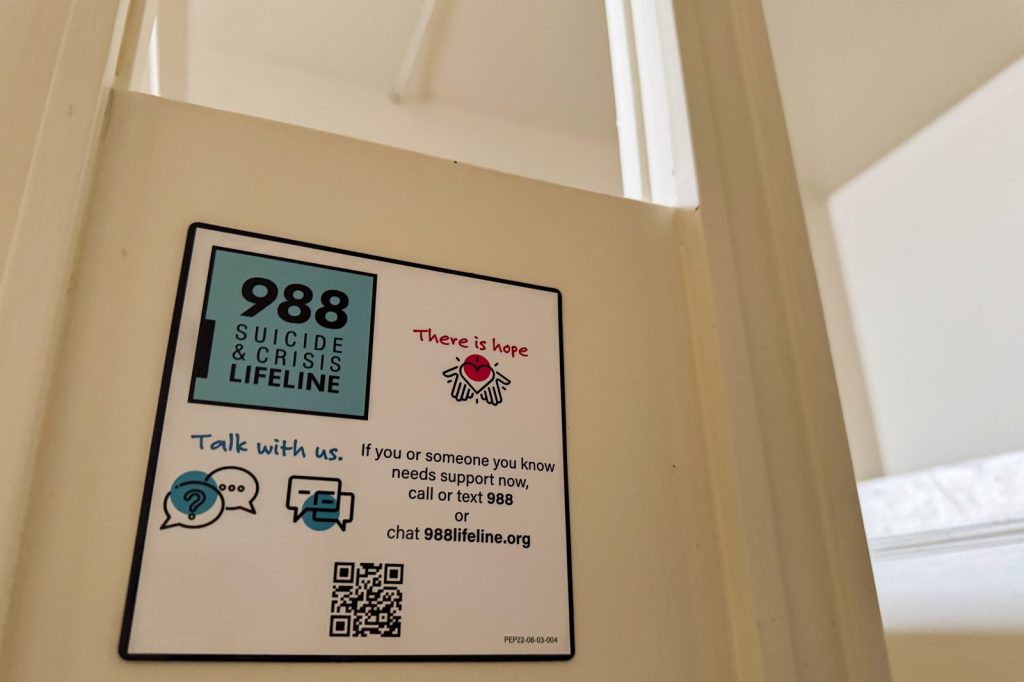
Dialing 988 in the United States connects the caller to a trained crisis counselor who routes the call to the nearest crisis center within a nationwide network. The three‑digit number has been active since July 2022, replacing the longer 1‑800‑CALL‑HOPE line that had been in service since 2005. The change was intended to make the service easier to remember and quicker to dial during moments of acute distress.
The Lifeline runs 24 hours a day, seven days a week, and is toll‑free. Callers may be seeking help for themselves or reaching out for someone else.
Counselors address a range of needs, from suicidal thoughts and emotional overwhelm to simply providing a listening ear. Crucially, they also refer callers to local mental‑health resources, turning a single phone call into a potential pathway toward ongoing care. As of 28 November 2023, the U.S. Lifeline remains fully operational, having completed more than a year of service. The transition to 988 did not replace the existing infrastructure; rather, it added a shorter, more accessible number to the same system.
Advocates argue that the three‑digit code lowers the barrier to seeking help, especially when a person may lack the energy or time to locate a ten‑digit number. Public awareness campaigns have been essential to the Lifeline’s reach, spreading the new number through mental‑health organizations and media outlets.
Nevertheless, the effectiveness of the service depends on the robustness of the underlying network. Each call is directed to a local crisis center, which must maintain adequate funding, staffing, and ongoing training for counselors to ensure round‑the‑clock availability. If a local center faces budget cuts or staffing shortages, wait times can increase and the reliability of the Lifeline may suffer.
The system is not automated; it relies on human responders to assess situations, de‑escalate crises, and connect callers with appropriate follow‑up services. Sustained investment is therefore critical to keep the Lifeline responsive and trustworthy.
Canada is planning a comparable Suicide Crisis Helpline that will also use the 988 number, though it had not launched by late November 2023. The Canadian rollout will likely mirror the U.S. experience, requiring coordination among federal, provincial, and local agencies to build a functional network of crisis centers. While the Lifeline provides an immediate conduit to trained help, it does not resolve broader mental‑health system challenges such as therapist shortages or treatment costs.
Its primary role is to offer a direct, human connection at moments when individuals feel isolated or desperate—often at odd hours like 3 a.m. The service’s continued success hinges on ongoing financial and operational support to meet demand across the country.




