
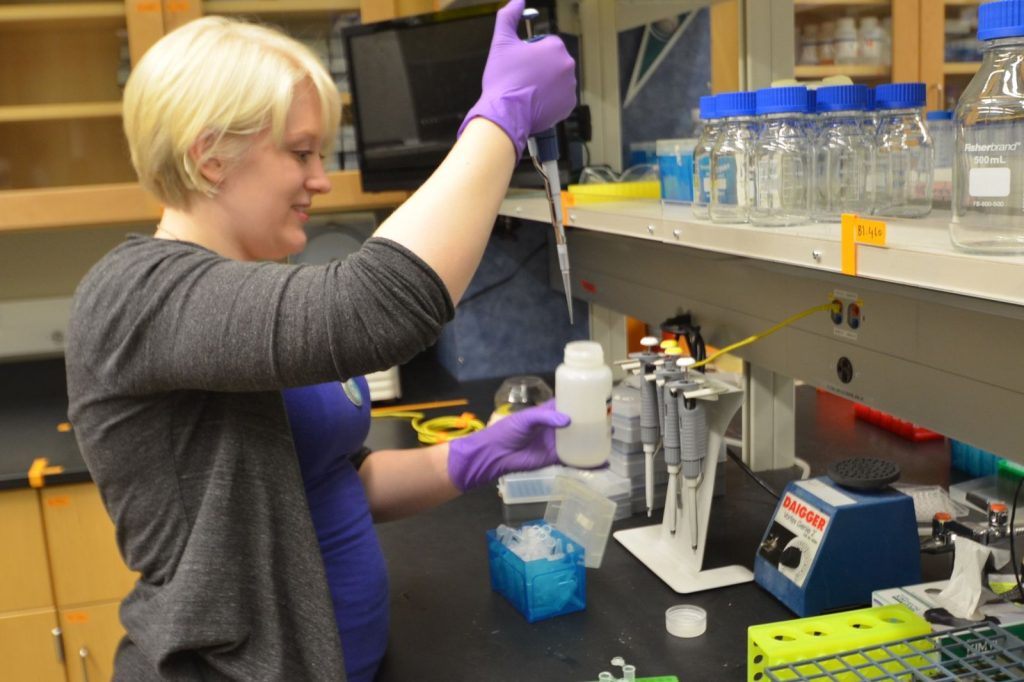
A vaccine candidate developed at the University of Washington School of Medicine has been published in Nature Communications, marking a step forward in the effort to combat infectious disease. The 2024 study caps years of targeted work by a team led by Dr. Jay Evans, director of the university’s Center for Translational Medicine.
Evans brings a track record in vaccine development, having previously worked on vaccines for infectious diseases. For investors and public health officials, the key takeaway is that the candidate has moved from the laboratory bench to peer-reviewed validation.
A Historic Institution’s Latest Breakthrough
The University of Washington, founded in 1861, is one of the oldest public universities on the West Coast. Territorial Governor Isaac Stevens first proposed a territorial university in 1854, and Seattle pioneer Arthur A.
Denny helped secure the original site by donating land from his own claim. The institution opened with a single building on what is now downtown Seattle’s Denny Knoll. Today, it is a public research university and the flagship campus of Washington’s six public universities, with its main campus in Seattle’s University District and regional campuses in Tacoma and Bothell. It is a member of the Association of American Universities, a group of leading North American research institutions.
The School of Medicine, based in Seattle, holds a distinctive role in the Pacific Northwest. It was the first public medical school serving Washington, Wyoming, Alaska, Montana, and Idaho through a partnership known as the WWAMI program.
Under this model, medical students from those four other states complete their first year and a half at their home state’s public university before moving to Seattle for clinical training. The school consistently ranks among the nation’s top medical schools for primary care education. This background matters because the university’s deep research infrastructure and multi-state reach give its medical discoveries unusually broad implications.
A vaccine candidate developed at its Center for Translational Medicine has the potential to affect not just Washington but a vast rural region that the School of Medicine was built to serve. The research team includes co-authors from the university’s departments of pharmacology and immunology.
Dr. Evans’ background in vaccine development informed the current candidate, which was designed by a team at the Center for Translational Medicine. The publication in Nature Communications provides a formal, peer-reviewed platform for the findings.
Federal Backing and the Path Forward
The funding sources are notable. The National Institutes of Health (NIH) and the Defense Advanced Research Projects Agency (DARPA) funded the work.
NIH is the primary federal agency for biomedical research, while DARPA is known for backing high-risk, high-reward defense-related projects. Their joint support signals confidence in the potential of this vaccine technology. The University of Washington School of Medicine, a leading institution in medical research, has a history of attracting such federal investment.
What to watch next is whether this candidate moves into clinical trials, and how the NIH and DARPA funding translates into further development stages. The study’s release in 2024 represents years of targeted work.
For public health officials and investors, the bottom line is that this candidate advances from the lab bench to peer-reviewed validation, a critical step on the long road from concept to clinical application. The university’s founding in 1861, its role as the flagship of the public university system, and its membership in the Association of American Universities underscore the institutional depth behind this research. The university’s School of Medicine was built to serve a five-state region through the WWAMI program, giving its medical research a built-in constituency that stretches from the Pacific coast to the Rocky Mountains.
Dr. Evans and his team now face the next challenge: demonstrating that their candidate can work in human trials. The backing from both NIH and DARPA suggests that federal agencies see promise in the technology.
For now, the peer-reviewed publication in Nature Communications offers a formal validation of the science behind the candidate.
{“@context”: “https://schema.org”, “@type”: “NewsArticle”, “headline”: “University of Washington Vaccine Candidate Published in Nature Communications”, “description”: “SEATTLE, July 13 — A vaccine candidate developed at the University of Washington School of Medicine has been published in Nature Communications, marking a step…”, “datePublished”: “2026-07-13T09:30:00+00:00”, “author”: {“@type”: “Person”, “name”: “James Roberto”}, “publisher”: {“@type”: “Organization”, “name”: “InfoPulse Today”, “url”: “https://newsfeed.infopulsetoday.com/”}}




