
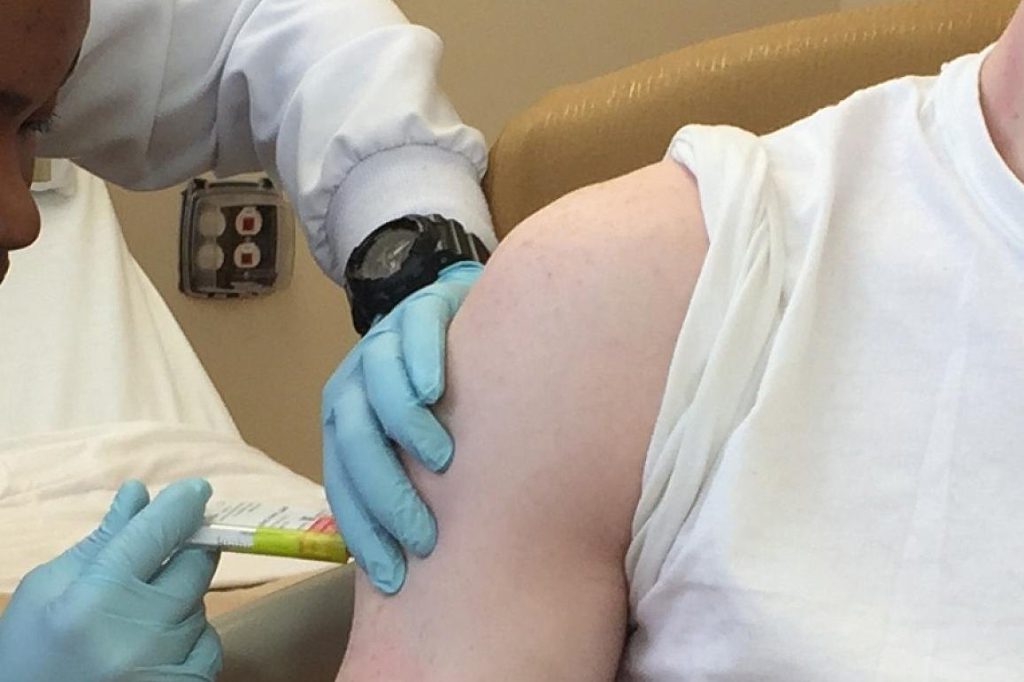
WASHINGTON, July 13 — A vaccine candidate designed to prevent fentanyl overdoses is moving toward human clinical trials, offering a potential new tool for families and communities grappling with the opioid crisis. The vaccine is still in preclinical development, but researchers published encouraging results in Nature Communications in 2024. Animal studies demonstrated efficacy in mice.
For families watching a loved one struggle with addiction, this represents a step toward something concrete — a preventive measure, not just a treatment after the fact. What this means in practical terms: the vaccine is designed as a two-dose regimen.
If it clears regulatory hurdles, it could be used as a preventive measure for individuals at high risk of fentanyl exposure. That includes people in recovery from opioid use disorder, who face constant risk of relapse and accidental overdose. It also covers first responders — police, paramedics, firefighters — who may encounter fentanyl in the course of their duties.
The next phase is critical. Clinical trials in humans are expected to begin within the next two years.
These trials will assess three core questions: safety — will the vaccine cause harmful side effects? Immunogenicity — does it actually produce a strong immune response in people? And efficacy — does that immune response protect against fentanyl’s effects in the real world?
Behind the breakthrough is a development timeline that includes regulatory review by the U.S. Food and Drug Administration. The FDA will need to sign off on trial designs, review safety data, and ultimately decide whether the vaccine can be approved for wider use. Funding for the ongoing research comes from two major federal sources: the National Institutes of Health and the Defense Advanced Research Projects Agency.
DARPA’s involvement reflects the military’s concern about fentanyl as a potential chemical threat to service members, while NIH focuses on the public health crisis. For families, the vaccine’s potential is deeply personal.
Fentanyl is now a leading cause of death for Americans. It is highly potent. Current overdose reversal drugs like naloxone work after the fact, but they require someone nearby to administer them.
A vaccine would work differently. It trains the immune system to recognize fentanyl molecules and produce antibodies that bind to the drug in the bloodstream, preventing it from reaching the brain.
That means the user would not feel the euphoric high — removing the incentive for misuse — and would not experience respiratory depression, the mechanism that causes fatal overdoses. There are challenges ahead. The vaccine must prove it works in humans, not just mice.
Researchers need to show that the antibody response is strong enough to neutralize the high doses of fentanyl that users typically consume. They also need to ensure the vaccine does not interfere with other opioid-based medications, such as those used for pain management or anesthesia. The timeline is ambitious but realistic.
If human trials begin within two years and show positive results, the vaccine could be available within a number of years. That is a long wait for families who are losing loved ones today.
But for those in recovery, and for the first responders who walk into overdose scenes every shift, the prospect of a vaccine offers something that current treatments cannot: prevention before exposure. The research continues, funded by NIH and DARPA, with FDA oversight ahead. For now, the science is in the lab.
The hope is that it will soon reach the people who need it most. Consult your doctor for medical advice.
Sources
{“@context”: “https://schema.org”, “@type”: “NewsArticle”, “headline”: “Clinical Timeline: Human Trials Expected to Begin Within Two Years”, “description”: “WASHINGTON, July 13 — A vaccine candidate designed to prevent fentanyl overdoses is moving toward human clinical trials, offering a potential new tool for families…”, “datePublished”: “2026-07-13T09:30:00+00:00”, “author”: {“@type”: “Person”, “name”: “James Roberto”}, “publisher”: {“@type”: “Organization”, “name”: “InfoPulse Today”, “url”: “https://newsfeed.infopulsetoday.com/”}, “citation”: [{“@type”: “CreativeWork”, “url”: “https://en.wikipedia.org/wiki/Clinical_trial”}]}




