WASHINGTON, D.C., November 19, 2026 — The United States has lost its measles elimination status after the Pan American Health Organization confirmed the virus circulated uninterrupted for at least 12 months. The decision ends a certification the country held since 2000 and comes amid a surge in cases not seen in 35 years.
How Elimination Status Is Lost
PAHO, the regional office of the World Health Organization, made the determination after reviewing epidemiologic data from January 2025 through January 2026. Under the criteria used by the Measles, Rubella and Congenital Rubella Syndrome Elimination Regional Monitoring and Re-Verification Commission, endemic transmission is considered re-established when the same measles virus genotype and lineage circulate without interruption for 12 months or more. The review period predates the massive outbreak in Pennsylvania that began in April 2026, which has since reported more than 1,500 cases and at least seven measles-associated deaths.
A 35-Year High in Cases
The United States has recorded over 5,400 measles cases in 2026 alone, more than double the total reported in 2025 and the highest annual count in 35 years. Total measles fatalities reached 13 from 2025 through 2026. The virus is among the most contagious known to humans, spreading through the air and remaining infectious in a space for up to two hours after an infected person leaves. The measles, mumps, and rubella vaccine is 97% effective against measles after two doses, but uptake has fallen over the years, leaving immunity gaps that allow the virus to spread.
Declining Vaccination Rates and Policy Response
Epidemiologists and infectious disease physicians have long warned that declining MMR coverage would eventually allow endemic transmission to return. Former FDA Chief Scientist Jesse Goodman called the loss “a national embarrassment and the tip of a dangerous iceberg.” APHA CEO George Benjamin blamed HHS leadership under the Trump administration for allowing “unscientific ideas” to guide decision-making, leading to what he described as a web of confusion and heartbreaking loss.
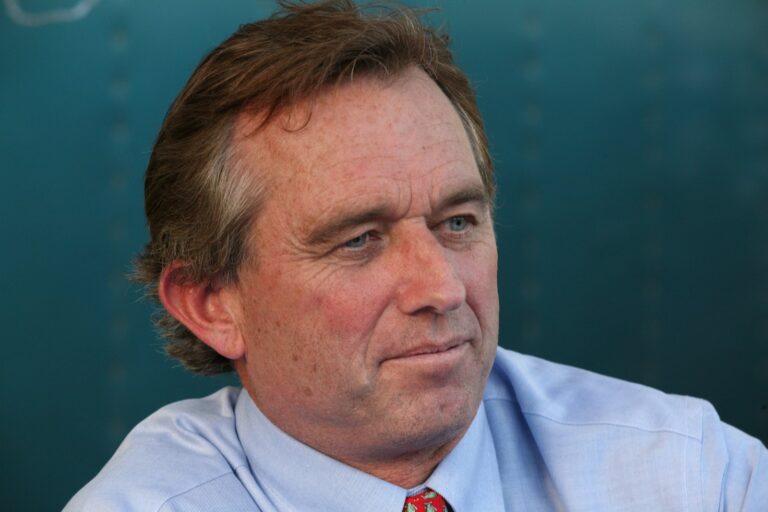
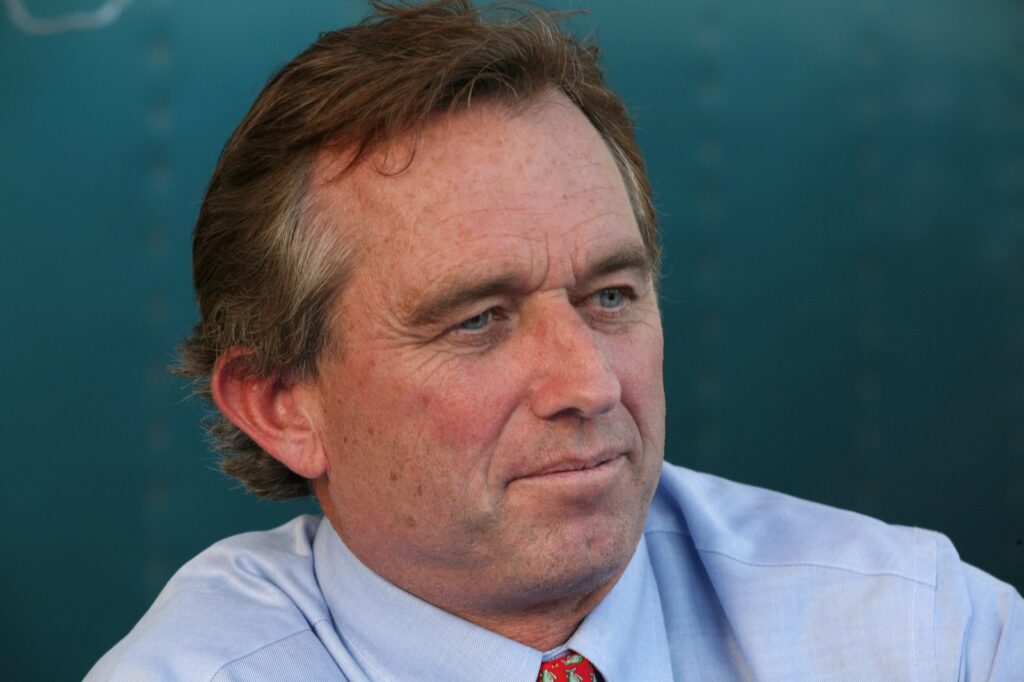
Health Secretary Robert F. Kennedy Jr. attributed the loss to global COVID-era vaccination gaps but stated he continues to recommend MMR vaccination as the most effective way to prevent measles. Sen.-elect Abdul El-Sayed criticized Kennedy as a “grifter” whose COVID-era misinformation shook public belief in vaccines, noting Kennedy has previously falsely stated the MMR shot causes deaths “every year” and pushed alternative “cures.”
Regional Context and Next Steps
The United States is not alone. Bolivia and Mexico also lost elimination status following the same PAHO review. Canada, the United Kingdom, Spain, and Austria lost certification in 2025, indicating a broader regional trend. PAHO Director Jarbas Barbosa warned that continued transmission anywhere increases the risk to unvaccinated people and communities with immunity gaps. PAHO expects the United States to present a corrective action plan in coming weeks that includes strategies such as focusing on communities with low vaccination coverage and running catch-up vaccination campaigns. The encouraging part is that we know how to prevent measles and stop its transmission. Patients should talk to their doctor about their vaccination status and any concerns they may have.
Sources
- Measles
- ‘A national embarrassment’: Measles is again endemic in the US
- PAHO urges countries to step up efforts to stop measles outbreaks and move towards elimination in the Americas
- Dr. Ezekiel Emanuel on America’s measles resurgence and RFK Jr.’s vaccine policies | CNN
- Abdul El-Sayed Calls RFK Jr. A Damning 7-Letter Name After U.S Loses Measles Elimination Status
- Loss of US measles certification serves as reminder of value of public health protections
Photo: Daniel Schwen (CC BY-SA 4.0)