
For decades, researchers at the University of California, Los Angeles have probed the intricate biochemical pathways that allow cancer cells to thrive. A new scientific review, published in 2025 in the journal Trends in Pharmacological Sciences, represents the latest milestone in that long-running effort. The paper focuses on a single enzyme, deoxycytidine kinase, or dCK, which plays a critical role in how tumors process certain chemotherapy drugs.
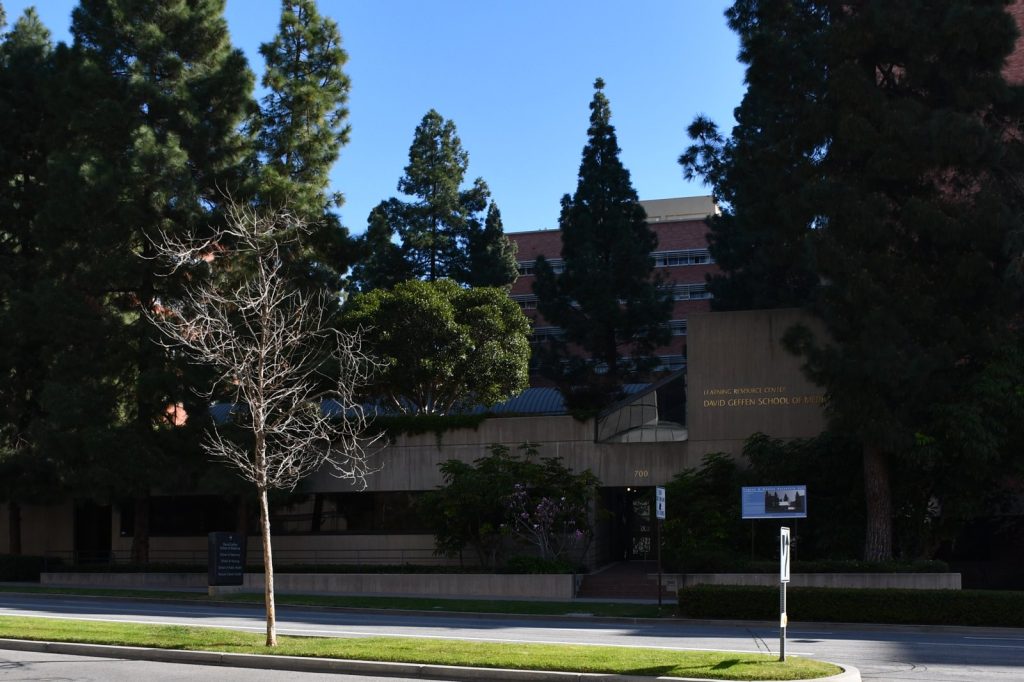
The review was co-authored by Dr. Timothy W. Synold, a professor in the Department of Medical Oncology at UCLA’s David Geffen School of Medicine.
It synthesizes years of data on dCK’s function in cancer metabolism, drug activation, and the mechanisms by which tumors develop resistance to treatment. The work is part of a broader, sustained investigation into nucleotide metabolism — the process by which cells build and break down the molecular building blocks of DNA and RNA — that UCLA researchers have pursued for decades.
A Foundation Built Over Generations
UCLA’s deep roots in cancer research trace back to the university’s own history. The institution began in 1881 as a normal school and became the Southern Branch of the University of California in 1919, making it the second-oldest campus in the UC system. Over the ensuing century, UCLA built a reputation for scientific discovery, particularly in the medical sciences.
The anchor of this work is the Jonsson Comprehensive Cancer Center. The National Cancer Institute designated the center in 1976, a federal recognition that signaled UCLA’s growing expertise in oncology.
Since that designation, the center has conducted hundreds of clinical trials each year. Currently, it runs over 200 active clinical trials annually, many of which are designed to translate laboratory discoveries into treatments that can be used directly in patient care. Metabolic oncology — the study of how cancer cells use nutrients and energy to survive and multiply — has been a particular focus at UCLA.
Researchers have spent years examining how cancer cells hijack the body’s normal machinery for nucleotide metabolism. Understanding that process is considered key to developing drugs that can stop tumors from growing.
The Enzyme at the Center of the Fight
The enzyme dCK sits at the heart of this latest review. It activates certain nucleoside analogs, a class of drugs commonly used in chemotherapy.
These drugs are designed to interfere with cancer cell replication, but tumors can exploit the enzyme’s activity to resist treatment. The review examines how tumors use dCK to their advantage and explores potential strategies to counter that exploitation. The paper reflects a partnership between UCLA and Trethera, a biotechnology company also based in Los Angeles.
This collaboration is emblematic of UCLA’s emphasis on translational research — the effort to move scientific findings from the laboratory bench to the patient’s bedside. Trethera has developed small-molecule inhibitors that specifically target dCK, aiming to block the enzyme’s role in chemotherapy resistance.
For UCLA, the review in Trends in Pharmacological Sciences is both a milestone and a marker of work that remains unfinished. The university’s cancer center continues to conduct its over 200 clinical trials each year, many of them aimed at turning insights like those about dCK into real-world treatments. The partnership with Trethera signals a push toward clinical application, where laboratory discoveries about this single enzyme could eventually lead to new options for patients.
Readers should consult their doctor for medical advice regarding cancer treatment and clinical trial options.
{“@context”: “https://schema.org”, “@type”: “NewsArticle”, “headline”: “UCLA review reveals key enzyme in cancer drug resistance”, “description”: “LOS ANGELES, July 17 — For decades, researchers at the University of California, Los Angeles have probed the intricate biochemical pathways that allow cancer cells…”, “datePublished”: “2026-07-17T09:30:00+00:00”, “author”: {“@type”: “Person”, “name”: “Muhammad Asim”}, “publisher”: {“@type”: “Organization”, “name”: “InfoPulse Today”, “url”: “https://newsfeed.infopulsetoday.com/”}}




