
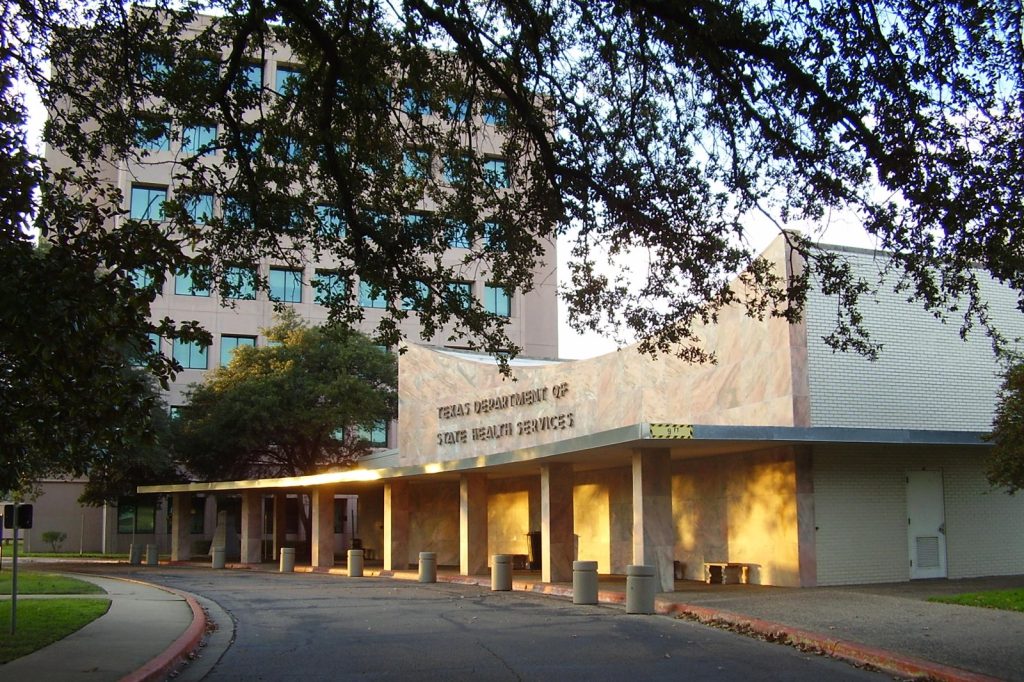
The Texas Department of State Health Services announced on August 18 that the 2025 measles outbreak sweeping the Southwest has been declared over. While the chain of transmission has been halted, the episode left a stark reminder of the consequences of vaccine refusal.
Three unvaccinated individuals lost their lives during the flare‑up: an eight‑year‑old and a six‑year‑old in Lubbock, Texas, and a adult in Lea County, New Mexico. Hundreds of residents were confirmed infected, and more than 99 required hospitalization. The virus travelled from Texas into New Mexico, Oklahoma, Kansas and even across the border into Chihuahua, Mexico.
Health officials identified the outbreak’s epicenter in Gaines County, Texas, where most cases clustered within a close‑knit Mennonite community. Tracing efforts linked the source to a similar community in Ontario, Canada. This pattern underscores how tightly bound groups that reject vaccination on religious or philosophical grounds can act as fertile ground for a highly contagious disease.
Measles was declared eliminated in the United States in 2000, meaning the country had not experienced continuous transmission for a full year. The 2025 event became one of the largest post‑elimination outbreaks, illustrating that elimination does not equal eradication. The virus persists worldwide, and a single unvaccinated traveler can reignite transmission.
Measles remains one of the most transmissible illnesses known; the virus can linger in the air for up to two hours after an infected person leaves a room, and roughly nine out of ten susceptible individuals exposed will become ill. The MMR vaccine provides robust protection—two doses confer about 97 % immunity—but its efficacy depends on uptake.
Vaccine hesitancy is not evenly distributed across the population. In the Texas Mennonite community, vaccination rates are notably low, creating a concentration of susceptible hosts. When measles entered this network, it spread rapidly, much like a fire across dry brush. Public health teams responded with free clinics, outreach, and education, yet they lack the authority to compel vaccination.
The three fatalities were directly tied to the decision—individual or communal—to forgo immunization. Their deaths were not inevitable; they resulted from the absence of vaccine‑derived protection. Although the outbreak has now run its course, the underlying conditions that allowed it to flare remain unchanged. New births, migration, and persistent hesitancy keep the pool of susceptible individuals replenished.
Officials stress that the outbreak ended because the virus exhausted the pool of unvaccinated hosts within that specific network, not because the broader risk has vanished. A single infected traveler could spark a new wave at any time.
Public health agencies plan to continue engagement with community leaders, aiming to build trust over the long term. Such efforts require sustained dialogue; a single campaign cannot reverse deeply held beliefs overnight. The recent deaths serve as a sobering warning that the tools to prevent measles—effective vaccines and a capable health system—exist, but universal acceptance remains elusive.
Until willingness to vaccinate becomes widespread, the question is not whether another outbreak will occur, but when it will happen again.




