
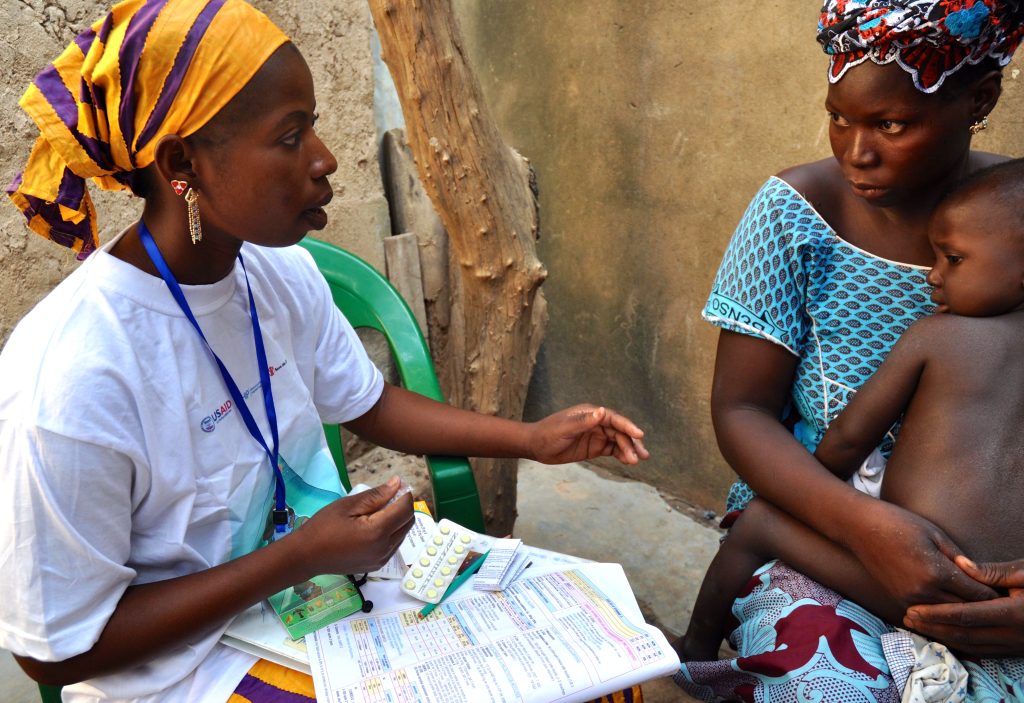
For a child in Northwest Ethiopia with cancer, the clock starts ticking long before they reach a hospital. Each day of delay — a fever mistaken for malaria, a lump dismissed as an infection — shrinks the odds of survival. A new study out of the region suggests that the people best positioned to stop that clock are not specialists in distant cities, but the health workers already living in the villages.
The research tested a multilevel training model that brought instruction directly to frontline staff: health extension workers, nurses, and general practitioners. Instead of pulling them away for workshops in Addis Ababa or Bahir Dar, senior clinicians came to their facilities.
They trained on site. Then they stayed, offering mentorship after the formal sessions ended. Early results show the approach works.
Knowledge improved. So did clinical suspicion — the gut instinct that tells a nurse a child’s persistent fever is not just another case of typhoid.
The region matters. Northwest Ethiopia has limited access to pediatric oncology services. The nearest specialized treatment center is far for many families.
By the time a child arrives there, the disease is often advanced — sometimes too advanced. The study directly addressed that bottleneck. It did not build a new hospital.
It tried to make the existing system smarter. The blunt finding: without systematic training, childhood cancers are routinely misdiagnosed.
They look like common infections or nutritional deficiencies. A child with bone pain might be treated for rheumatism. A child with an eye change might be given antibiotics.
The training focused on red-flag symptoms — persistent fevers, unusual lumps, bone pain, eye changes — that should trigger an immediate referral. The study used a mixed-methods design.
That means researchers ran quantitative assessments — tests of knowledge before and after training. But they also conducted qualitative interviews, asking health workers what worked and what got in the way. The barriers were real.
Distance. Workload. Lack of diagnostic tools.
But the model adapted to them, rather than pretending they did not exist. For the families waiting in those villages, the stakes are stark.
Early diagnosis in childhood cancer changes the prognosis dramatically. That is not soft language. It is a clinical fact.
A child whose cancer is caught at stage one has a radically different path than one caught at stage four. The study’s premise is simple: the people who see the child first — the health extension worker who visits the home, the nurse at the rural clinic — can be the ones who change that path.
The training did not turn them into oncologists. It gave them a checklist. A set of signs that say: this child needs to go.
Now. Not next week. Not after another round of antibiotics.
Mentorship was embedded into the program. That is the part that may matter most.
A one-day workshop fades. A senior clinician who returns, who calls, who asks “what happened with that child?” — that creates a system. The study’s early findings suggest that ongoing support made the difference between a training that stuck and one that evaporated.
Northwest Ethiopia is not unique. The same delays happen across sub-Saharan Africa, across South Asia, across any low-resource setting where pediatric oncology is a distant luxury.
The model tested here could travel. It does not require new buildings. It requires a decision to train the people already in place.
For the children who will get sick next month, next year, that decision may be the only one that matters.




