
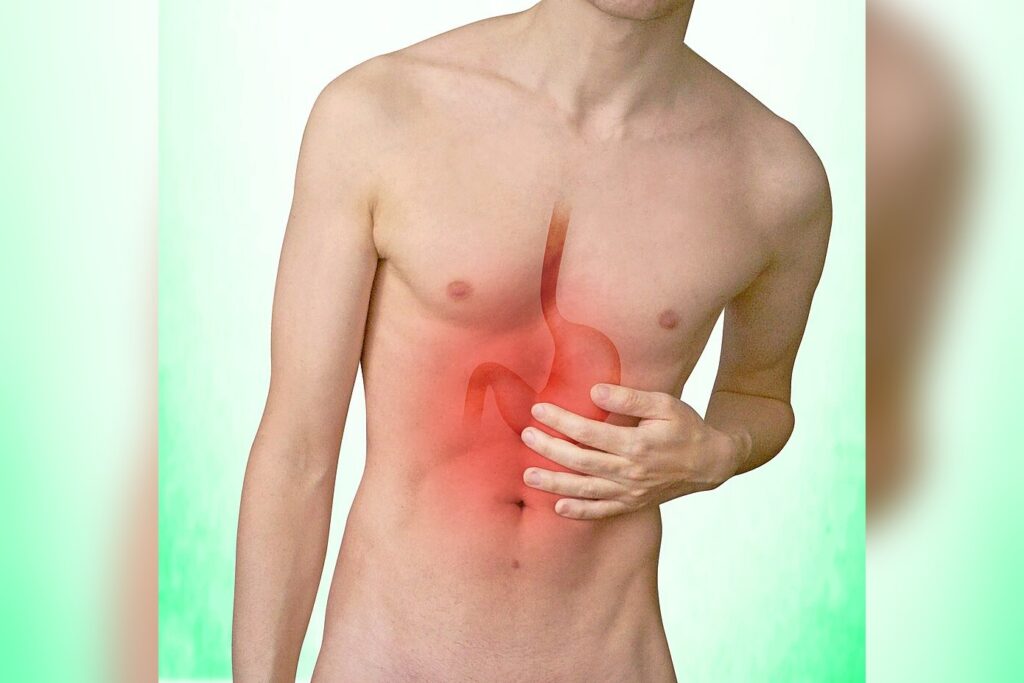
How the Stomach Controls Gastric Emptying
When a slow wave reaches a certain threshold, it triggers an action potential that opens calcium channels. The force of the resulting contraction depends on how much calcium enters the cell. Neurotransmitters, hormones, and paracrine signals can modify the amplitude and duration of these slow waves, meaning the entire system is finely tuned by the body’s own chemistry. The stomach’s tonic contractions in the anterior region and phasic contractions in the posterior region both respond to volume changes within the organ. Water intake can influence the gastric emptying rate by affecting stomach volume and distension, which modulates motility and the rate at which contents leave the stomach.
This balance is critical because gastrointestinal motility can become overactive, leading to diarrhea, or underactive, causing constipation. Either extreme may produce abdominal pain or vomiting. Between meals, the gut operates on a separate rhythm called the migrating motor complex—a cycle of contractions that occurs every 1.5 to 2 hours. This cycle is thought to help clear excess bacteria and leftover food from the gut. Food ingestion interrupts this cycle, resetting the digestive system to process incoming nutrients.
Water’s Role in Digestive Rhythm
The new observations reinforce a basic but often overlooked point: the gastrointestinal tract is a highly coordinated system, and even something as simple as a glass of water can shift its rhythm. Early studies of gut motility had already characterized the stomach not merely as a reservoir but as a muscular organ governed by rhythmic contractions. The distinction between tonic and phasic contractions—sustained versus brief cycles—was established through careful physiological recordings. The role of interstitial cells of Cajal as pacemakers, generating slow waves that drive muscle activity, has been understood for decades.
What the current research adds is a more detailed picture of how water intake influences these mechanisms. By increasing stomach volume and distension, water modifies both tonic and phasic contractions, thereby altering the rate at which chyme is pushed into the small intestine. This effect can have downstream consequences for digestion and absorption. For example, drinking fluids with meals may slow gastric emptying, potentially exacerbating symptoms in patients who already have delayed motility. Conversely, adequate hydration may support normal motility.
The findings also highlight the finely tuned interplay among nerves, hormones, and local chemical signals that modulate slow wave amplitude and duration. This complexity means that any factor that alters stomach volume—whether food, drink, or even stress—can disrupt the smooth operation of the digestive tract. The migrating motor complex, with its regular 90- to 120-minute cycle between meals, serves as a housekeeping mechanism. Its interruption by food ingestion ensures that the digestive system prioritizes new nutrients, but also means that prolonged snacking may interfere with bacterial clearance.
In a broader sense, the research underscores the importance of basic physiology for clinical understanding. Gastroenterologists have long recognized that symptoms such as bloating, nausea, or early satiety can stem from subtle disruptions in gastric emptying. The current work provides a mechanistic framework: water affects volume and distension, which modulate motility via contractions driven by pacemaker cells and chemical signals. As research continues, these insights could help explain why some patients experience digestive troubles after drinking fluids with meals and may guide recommendations for dietary timing.
{“@context”: “https://schema.org”, “@type”: “NewsArticle”, “headline”: “Stomach’s Calcium-Controlled Contractions Regulate Gastric Emptying”, “description”: “How the Stomach Controls Gastric Emptying When a slow wave reaches a certain threshold, it triggers an action potential that opens calcium channels. The force…”, “datePublished”: “2026-07-17T09:30:00+00:00”, “author”: {“@type”: “Person”, “name”: “Reza Karimi”}, “publisher”: {“@type”: “Organization”, “name”: “InfoPulse Today”, “url”: “https://newsfeed.infopulsetoday.com/”}}




