
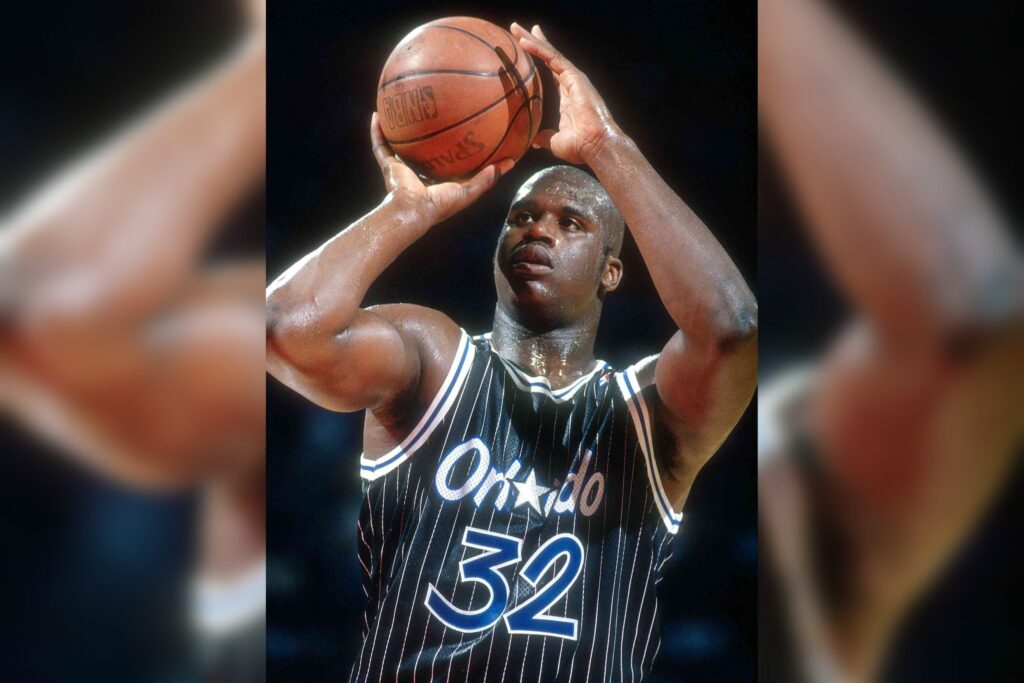
NEW YORK, July 6 — Shaquille O’Neal found himself in an unexpected standoff at a Walmart checkout line this week. His American Express card was declined. The incident, which O’Neal himself flagged publicly, immediately raises a question that cuts across income brackets: what happens when the fraud-detection algorithms designed to protect cardholders instead lock them out of a routine purchase?
The answer, strategically, is a standard procedure. After a card is declined for suspected fraud, the card issuer typically expects a verification call from the customer.
O’Neal likely contacted American Express to confirm the transaction was legitimate, a step that clears the block and allows the payment to go through. American Express, founded in 1850, is one of the largest credit card issuers in the United States. Its fraud-detection systems are built to flag unusual activity.
For a man of O’Neal’s stature — a former NBA star and now a businessman — the system may have simply seen an anomaly. A large purchase at a big-box retailer, especially one the cardholder does not frequent, can trip the same safeguards that protect ordinary consumers from stolen card numbers.
For the broader public, the calculus here is straightforward. The story underscores the importance of notifying credit card companies before making large purchases, particularly at unfamiliar merchants. Cardholders can also set spending alerts through their online accounts or carry multiple payment methods to avoid similar disruptions.
What this signals is a tension baked into modern finance. Fraud-detection systems are protective by design, but they can occasionally inconvenience even the wealthiest customers. O’Neal’s declined card is not a sign of financial trouble — it is a reminder that the same algorithms that block a thief can also block a legend in a Walmart checkout line.
The broader stakes for consumers are clear: plan ahead, call your bank, and keep a backup card handy. The system works, but it works on its own terms.




