
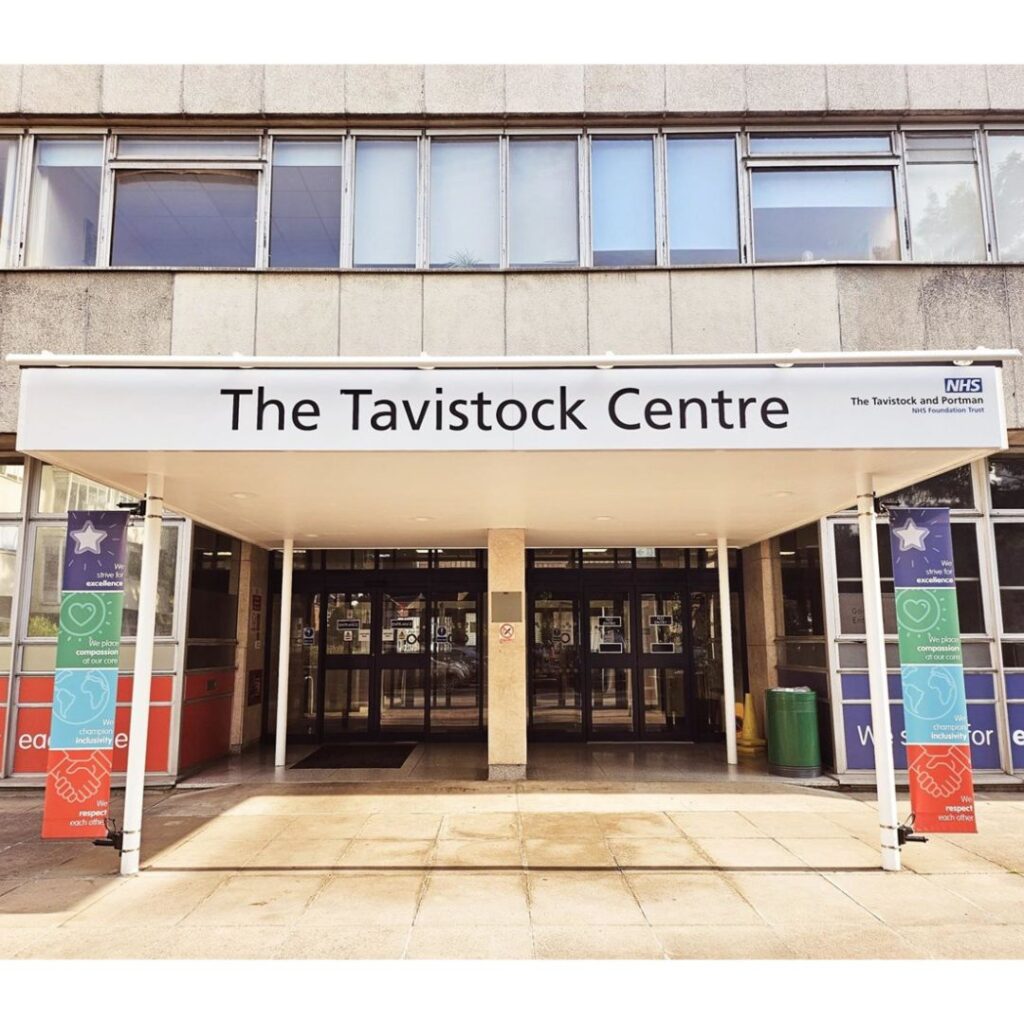
About 6,000 children sit on a waiting list for help that the clinic they were waiting for no longer exists to give. Some have waited five years. The Gender Identity Development Service, known as GIDS, ended its 35-year history in the last week of March 2024.
The decision itself was made earlier. On 28 July 2022, NHS England announced it would close the service and replace it, at first, with two regional services, one in London and one in north-west England. They would follow a different model, with “holistic treatment”, “a range of pathways” and “psychological support” rather than medication as the main intervention.
How it came to this
Hannah Barnes, associate editor at the New Statesman and author of a book on the Tavistock service, traced the story in the Guardian. In her account, it began with a November 2018 newspaper report that the service was under review. Ten clinical staff had gone to Dr David Bell, a psychiatrist and psychoanalyst, with worries about how GIDS operated. The number of people seeking help had risen tenfold in five years, they told him, and there was heavy pressure to “process referrals rapidly”, meaning referral to endocrinologists who prescribe puberty blockers.
The Tavistock trust said then that it was “concerned by the tone and manner in which these allegations have been made”. It later said its medical director had upheld none of the safety concerns. Barnes wrote that this was not true, and that staff read the response as a warning that raising concerns would bring accusations of transphobia. Newsnight broadcast parts of the interview transcripts in June 2020. By Barnes’s account they showed that a sizeable minority of staff had told the medical director that the model of care was unsafe.
In litigation, which was ultimately lost on appeal, GIDS could not tell the court how many children had been referred for blockers, how old or what sex they were, or whether they went on to take hormones.
Cass and the inspectors
In September 2020, NHS England announced that paediatrician Dr Hilary Cass would review gender identity services for children and young people. A month later the Care Quality Commission inspected GIDS, rated it inadequate and upheld most of the concerns clinicians had raised.
Cass’s interim review, in February 2022, concluded that the “single specialist provider model is not a safe or viable long-term option”. She pointed to “significant gaps in the research and evidence base”. From 2014, GIDS had routinely referred children as young as nine for puberty blockers.
Rules and rollout
NHS England confirmed on 12 March that blockers would no longer be available, because evidence on their safety and effectiveness was lacking. They will not be prescribed on the NHS until a research trial is set up. Hormones can now be offered without prior blockers, with a national clinical team required to agree that a young person meets the criteria.
The new services were meant to be running by spring 2023, but opening slipped. Two were to open on the Monday after Barnes wrote, with a third being set up in the Bristol area and up to eight possible over time. Only 250 children from GIDS will move to them, 58 needing a face-to-face handover. About 400 more, already on blockers or hormones or referred to endocrinology, will go to adult clinics or receive a “wraparound service” from Nottinghamshire Healthcare NHS foundation trust.
“Our two new providers on their own are not going to be able to make a significant dent immediately in that waiting list,” said John Stewart, NHS England’s national director for specialised services. About half of GIDS’s clinical and administrative staff have left since the closure was announced. The private provider Gender Plus has taken on 10 people linked to GIDS. Under-18s there need about six appointments over six months before hormones, at £275 an hour.
In February 2023, an open letter backed by at least 50 of GIDS’s 85 staff warned: “Currently, there is no guarantee that the care plans we agree today will be honoured by future services.” Cass’s final report was due within a fortnight of Barnes’s article.
Sources
- Why the Tavistock gender identity clinic was forced to shut … and what happens next
- Doctors warn 'NHS is failing trans people' amid row over Tavistock gender clinic
Sources
- Why the Tavistock gender identity clinic was forced to shut …
- A once influential gender clinic goes from scandal to closure




